
LSTM vs GRU vs RNN: Which Sequence Model Should You Actually Use?
RNNs, LSTMs and GRUs explained side by side: how their memory and gates differ, which trains faster, and exactly when to use each one.


Welcome to the heart of Mindox AI-our official blog. In an era where technology moves faster than we can blink, staying informed isn’t just an advantage; it’s a necessity. This section serves as your ultimate guide to understanding how Artificial Intelligence, machine learning, and automation are reshaping our daily lives and global industries. We dive deep into the latest tech breakthroughs, offering you a front-row seat to the digital transformation happening right now.
Our goal is to demystify complex concepts and present them in a way that is easy to grasp, whether you are a seasoned tech professional or a curious beginner. We explore everything from the ethical implications of AI to practical tips on how you can use smart tools to boost your productivity. We don’t just report the news; we analyze what it means for the future of humanity.
RNNs, LSTMs and GRUs explained side by side: how their memory and gates differ, which trains faster, and exactly when to use each one.
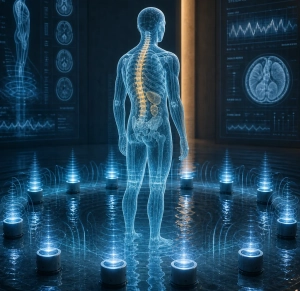
The Midjourney ultrasound scanner promises a 60-second full-body scan. Can an AI famous for hallucinating images be trusted to picture your insides?
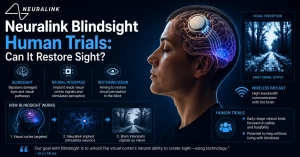
Neuralink Blindsight human trials aim to restore vision by writing signals into the brain. Here is what the science really promises, and what it…

AI-designed rare-earth-free magnets made headlines, but what did Ames Lab actually build? We untangle DuctGPT, the roadmap, and China's magnet grip.

AI weather forecasting at NOAA now runs a 16-day outlook in 40 minutes. But who is accountable when the model, not a person, calls…
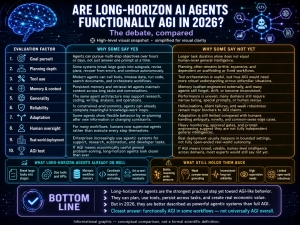
Are long-horizon AI agents functionally AGI? We weigh Sequoia's 2026 claim, METR's task-horizon curve, and the reliability math skeptics keep citing.
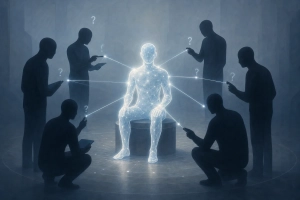
AI red-teaming now has professional attackers probing models on purpose. Here's what they find, why 2026 made it a discipline, and what it means…
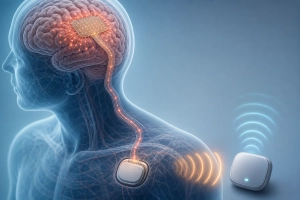
The Paradromics speech-restoring brain-computer interface just got a first-ever FDA nod. Here's what it means for people who can't speak, minus the hype.
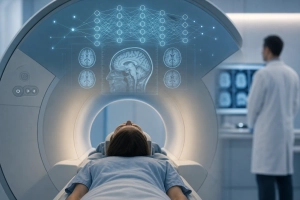
The AI diagnostic dilemma is 2026's top patient-safety concern. When a machine reads your scan, who is actually deciding your diagnosis? Here's the honest…

AI music copyright lawsuits are redrawing who owns a song: from Anthropic's piracy fight to Suno and Udio's licensed pivot. Here's what it means…

Why AI data centers are turning to nuclear power, what it means for your electricity bill, and who actually gets a say over the…

EU AI Act high-risk compliance deadline just slipped to December 2027. But is it even legally binding yet, and does the delay leave you…
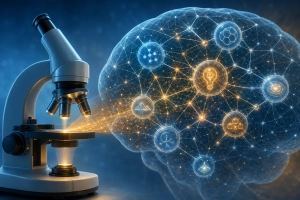
What is mechanistic interpretability? It's the science of reading an AI's mind, and in 2026 it became a real safety check on models like…

Quantum computing AGI timeline hype spiked after Google's first verifiable quantum advantage. Here's what the Willow result proves, and what it doesn't.

AI video generation authorship just got urgent: Gemini Omni Flash builds a finished clip from three sentences. So who's the author, you, the model,…
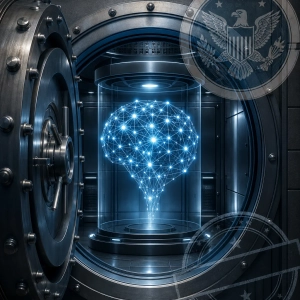
The AI executive order frontier model early access rule lets Washington preview top AI before launch. Is it truly voluntary? Here's what it really…
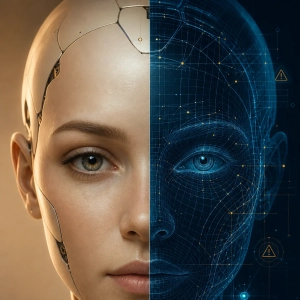
Humanoid robot safety is racing hyper-real faces in 2026. Two launches eight days apart reveal whether the industry earns trust faster than it verifies…
Agentic Resource Discovery lets AI agents find and vouch for their own tools. What Google and Microsoft's new standard means for trust and human…

The Anthropic Pentagon dispute pits a safety-first AI lab against its biggest customer over autonomous weapons. Here's what happened and why it matters.
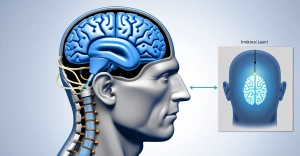
China's brain-computer chip just became the world's first approved invasive BCI. Who can get NEO, what's proven safe, and the neural-data gap left behind.
Brain-computer interfaces don't read minds: they read electrical patterns and guess. Here's how BCIs actually turn brain activity into commands.

Consumer exoskeletons for everyday life hit sub-$1,000 prices at CES 2026. But who can actually afford one, and does it echo the brain-chip divide?

Can you trust an AI to diagnose you? AI now beats doctors on hard cases, yet patient trust is falling and bias runs deep.…
Do large language models understand language, or just predict the next word? Inside how LLMs really work, and why top researchers still split 51/49.