
Hypershell vs Dnsys: Which Exoskeleton Should You Buy?
Hypershell vs Dnsys: compare price, power, battery and the safety data on the two consumer exoskeletons shipping in 2026, plus who should skip both.


Have you ever felt like your brain needed a “software update” to handle the massive amount of information we process every day? Welcome to the world of Cognitive Augmentation. This isn’t just about drinking an extra cup of coffee; it is about using cutting-edge technology, neuroscience, and biochemistry to enhance our memory, focus, and decision-making abilities. At Mindox AI, we explore the fascinating tools that are helping humans think faster and smarter than ever before.
We explore the frontiers of cognitive augmentation, from brain-sharpening nootropics to wearable devices that boost learning via electrical stimulation. By examining how AI “externalizes” memory for effortless data retrieval, we investigate the limits of the human mind and the ethics of “hacking” our own intelligence.
Hypershell vs Dnsys: compare price, power, battery and the safety data on the two consumer exoskeletons shipping in 2026, plus who should skip both.
Nootropics, neurofeedback and focus BCIs compared: how each tries to sharpen the mind, what the evidence really says, and which is worth your time.
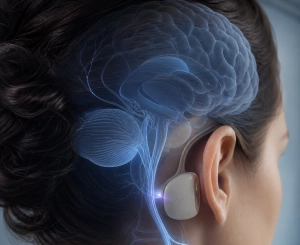
The first FDA-cleared neuromodulation wearable for PTSD just arrived. Here's how Modius Spero works and what it means for cognitive-health tech.

Consumer exoskeletons for everyday life hit sub-$1,000 prices at CES 2026. But who can actually afford one, and does it echo the brain-chip divide?

A grounded look at neural telepathy, brain-to-brain interfaces, and why speech will be hard to replace.

A practical guide to digital memory storage, hippocampal prostheses, recall support, and why searchable memory is not a full backup of life.

A grounded guide to speech neuroprostheses, silent communication, and why neural links are more likely to widen language than replace speech.

Clear guide to human brain enhancement, sleep debt, stimulant risk, and why always-on productivity can quietly wreck judgment.

A practical guide to neural data transfer, brain bandwidth, neuroplasticity, and why faster BCI input is not the same as instant learning.

Clear guide to brain-computer interface inequality, neural augmentation, and why access, privacy, and power matter before BCI goes mainstream.

AI co-processing can make students and freelancers faster, but it can also weaken judgment. Here is how to offload the right work and keep…

Human cognition has always relied on external memory. Smartphones accelerated that shift, and brain-computer interfaces may move it closer to the nervous system.
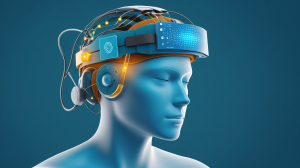
Wearable neurotechnology can help with focus or memory in some narrow cases, but the evidence depends heavily on the device type, protocol, and outcome…

A practical framework for judging mind upgrades through autonomy, evidence, neural privacy, security, and fairness.

Augmented intelligence works best when AI acts as a co-processor for search, synthesis, drafting, and coordination while humans keep judgment and accountability.

Neuralink is pushing brain-computer interfaces into real clinical trials, but the bigger story is the wider BCI field. This article explains what works now,…

The extended mind idea explains how AI acts like external memory, planning support, and cognitive scaffolding for modern knowledge work.