
How Do Large Language Models Actually Work, and Do They Understand Anything?
How do large language models actually work? A plain-English guide to tokens, transformers, training and hallucination, and whether they understand a word.


Welcome to the heart of Mindox AI-our official blog. In an era where technology moves faster than we can blink, staying informed isn’t just an advantage; it’s a necessity. This section serves as your ultimate guide to understanding how Artificial Intelligence, machine learning, and automation are reshaping our daily lives and global industries. We dive deep into the latest tech breakthroughs, offering you a front-row seat to the digital transformation happening right now.
Our goal is to demystify complex concepts and present them in a way that is easy to grasp, whether you are a seasoned tech professional or a curious beginner. We explore everything from the ethical implications of AI to practical tips on how you can use smart tools to boost your productivity. We don’t just report the news; we analyze what it means for the future of humanity.
How do large language models actually work? A plain-English guide to tokens, transformers, training and hallucination, and whether they understand a word.

Agentic AI can set its own goals and act without asking. Here's what that shift means for human oversight, accountability, and your everyday decisions.

A practical guide to digital twin regulation, virtual identity, future taxation, and digital estate planning.

A grounded look at generative AGI design and whether machines could create buildings humans struggle to understand.
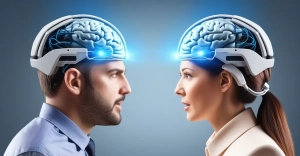
A grounded look at neural telepathy, brain-to-brain interfaces, and why speech will be hard to replace.

A practical guide to sentient infrastructure, smart city AGI, and the governance problems behind autonomous urban systems.

A practical guide to DNA data storage and whether molecular archives could become part of future data centers.
A practical guide to anti-aging technology, healthspan, and which longevity tools look credible today.
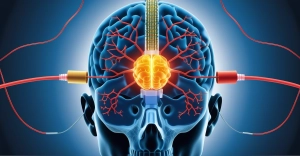
Can brain stimulation cross into manipulation? A grounded guide to neural implants ethics, agency, consent, and motor-cortex intervention.

A practical guide to digital memory storage, hippocampal prostheses, recall support, and why searchable memory is not a full backup of life.

A practical guide to predictive AI smart homes, affective computing, and the privacy, accuracy, and installer choices that decide whether mood sensing helps or…

A practical guide to bio-hybrid robots, synthetic biology, and why some future machines may be grown from living tissue instead of built from metal.

A practical guide to empathy technology, neural sync, emotional BCI, and why conflict resolution still depends on institutions, not shared brain signals alone.

A practical guide to perfect memory technology, hyperthymesia, neural recording, and why forgetting remains a feature of healthy cognition, not just a flaw.

A practical guide to ambient energy tech, battery-free sensors, wireless power limits, and where energy harvesting can quietly reshape homes, industry, and cities.

A practical guide to AR contact lenses, smart glasses, and why the future of computing may become screenless without replacing phones overnight.

A practical guide to mind uploading, neural backup, cloud-based consciousness, and the privacy rules that would matter if brain data ever left the body.
A practical guide to neural cybersecurity, neuroprivacy, brain hacking risks, and the layered defenses real BCI systems will need.
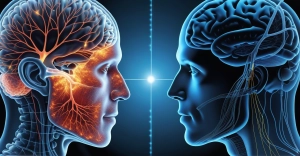
A grounded guide to speech neuroprostheses, silent communication, and why neural links are more likely to widen language than replace speech.

A grounded guide to whether AGI could become humanity's last invention by accelerating software, science, and autonomous R&D.

Clear guide to AGI job replacement, post-labor anxiety, and how to build meaning, resilience, and useful work in an AI economy.

Clear guide to human brain enhancement, sleep debt, stimulant risk, and why always-on productivity can quietly wreck judgment.
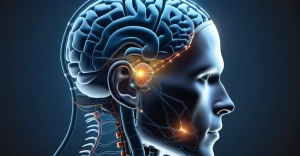
A practical guide to neural data transfer, brain bandwidth, neuroplasticity, and why faster BCI input is not the same as instant learning.

Clear guide to brain-computer interface inequality, neural augmentation, and why access, privacy, and power matter before BCI goes mainstream.