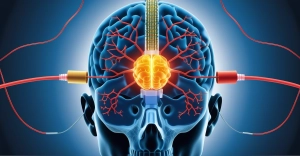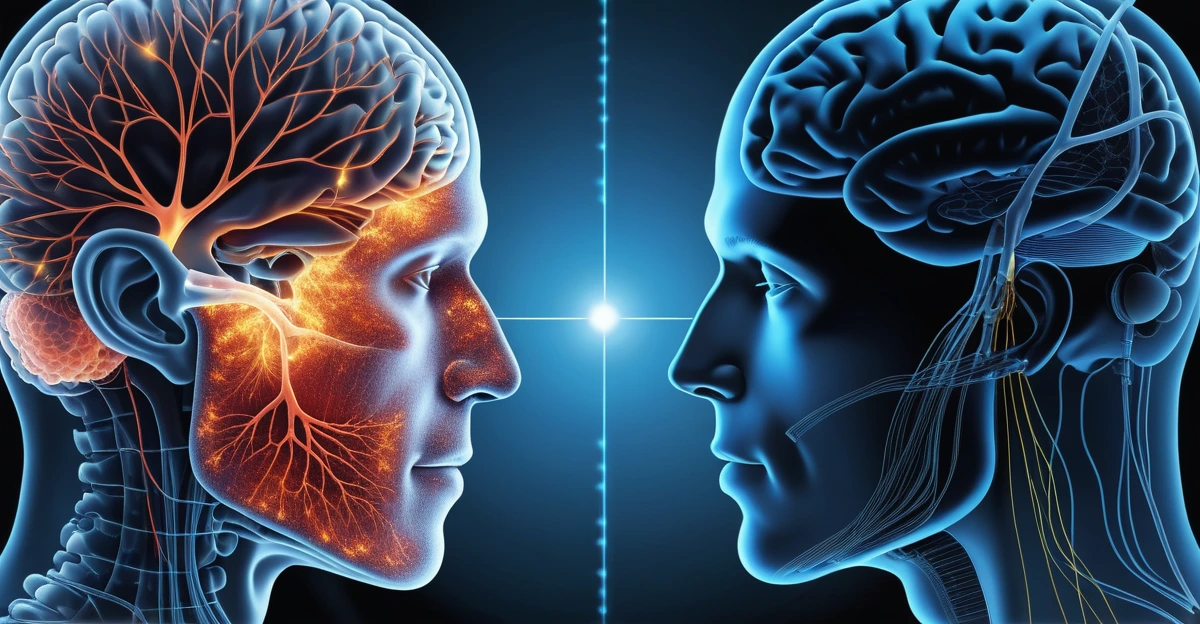

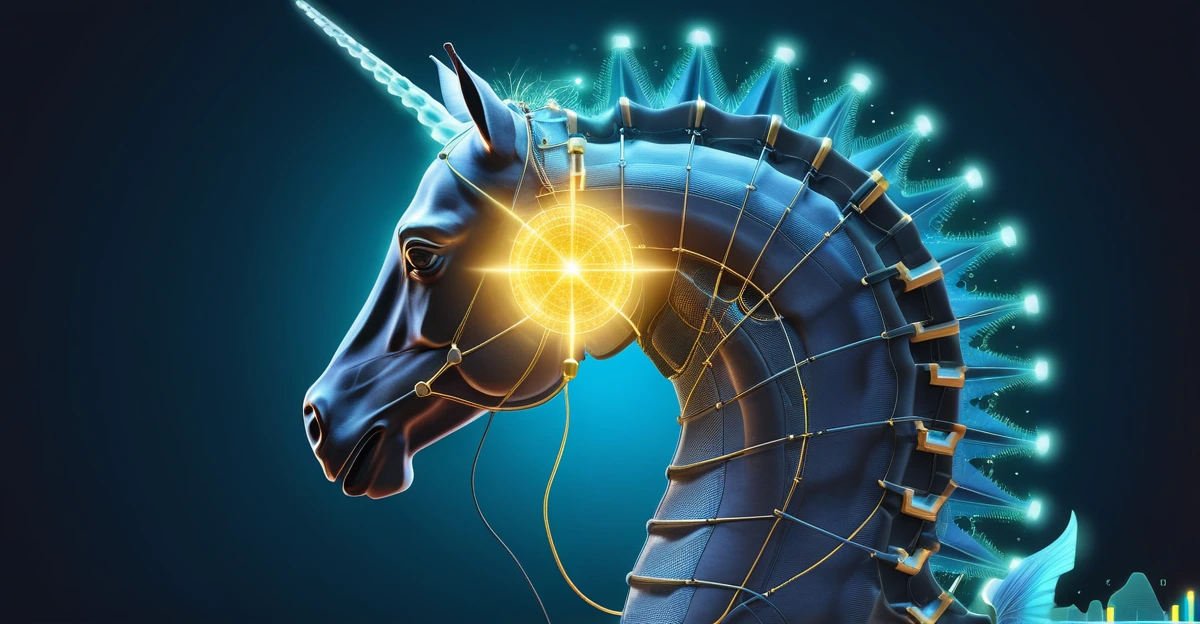
The fantasy is easy to picture. Your life becomes searchable. Forgotten names come back on command. Important moments sit in a system that works like a game save file. Brain-computer interface research makes that fantasy feel closer than it used to. But the reality is narrower, stranger, and much more technical. What exists today is not a hard-drive backup for consciousness. It is early work on memory encoding, stimulation, and retrieval support. The payoff here is straightforward: this article explains what digital memory storage could realistically mean, what an external hippocampus actually does, and why a searchable memory system is not the same thing as a stored life.
See also the evolution of human cognition.
To understand the mechanics, read how BCIs read neural signals.
Why memory is harder than a database
The phrase searchable thoughts sounds intuitive because everyone has had the same frustration: a fact feels nearby, but it will not come out when needed. That makes the database metaphor emotionally powerful. It also makes it misleading.
A database stores records in a predefined structure. Human memory does not. Memory is reconstructive. We do not retrieve exact files the way a server retrieves a row from a table. We rebuild experiences from fragments, context, emotional salience, and meaning. That is why two people can remember the same event differently, and why your own recollection can change over time.
WHO’s brain-health framing helps here because it treats cognition as a dynamic function of multiple systems, not as a single storage location (WHO). That matters because “digital memory storage” often gets presented as if the brain were simply out of room. In real neuroscience, the challenge is usually not capacity alone. It is encoding, consolidation, retrieval, and relevance.
A practical comparison helps. A notes app can save every line you type with perfect fidelity. Your brain does something different. It compresses, interprets, prioritizes, and connects. That is why a memory aid can be valuable without becoming a full backup of personal identity.
Why the hippocampus matters so much
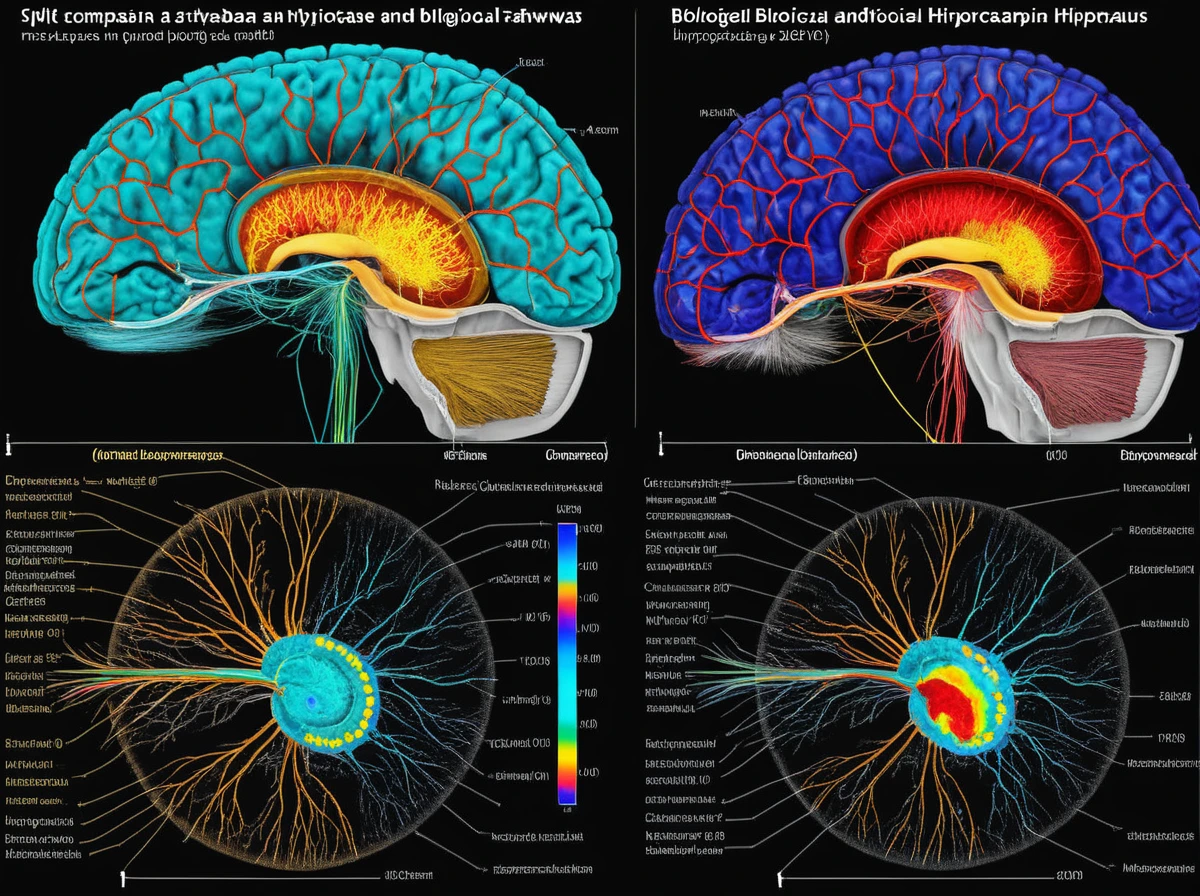
If people talk about an external hippocampus, they are pointing at a real research target, not just using a flashy phrase.
The hippocampus is central to forming new memories. It helps bind together incoming information so later recall becomes possible. That is why damage to hippocampal systems can leave old memories partly intact while making new memory formation far more difficult.
This is also why hippocampal prosthesis research focuses less on “storing your entire life elsewhere” and more on helping the brain encode specific information patterns more effectively. In plain language, the goal is not to replace human memory with a hard drive. The goal is to support a biological circuit that is already doing the hard work of turning experience into recallable information.
NIH-funded memory research keeps reinforcing that memory is built from real biological structure and circuit dynamics, not from generic information transfer alone (NIH). That is important because many popular articles skip straight from “electrodes in the brain” to “downloadable memory” without explaining the middle layer where memory formation actually happens.
What a memory prosthesis has really shown so far
This is the part where the topic becomes exciting.
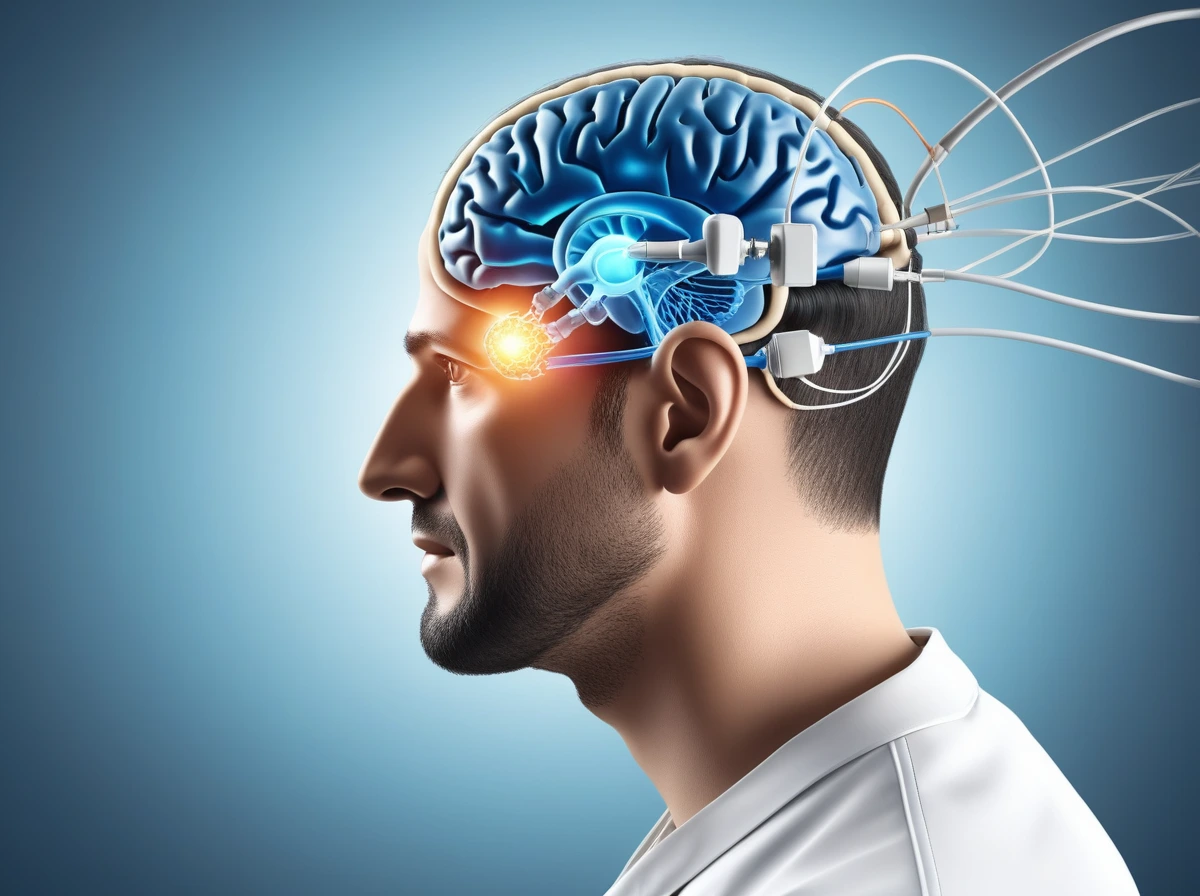
In human hippocampal prosthesis work, researchers have reported that patterned stimulation tied to a person’s own neural activity could improve performance on structured memory tasks (PMC). That result matters because it suggests memory encoding can be supported by a closed-loop neural system rather than by crude, one-size-fits-all stimulation.
A concrete example helps. In those experiments, participants were not “uploading memories” in the cinematic sense. Researchers were measuring patterns related to successful encoding and then using stimulation designed to reinforce those patterns during task performance. The effect was improvement in memory task outcomes, not a perfect replay archive of lived experience.
That difference is everything.
A memory prosthesis can be real without being a mind backup. It can help a damaged or struggling circuit perform better in a narrow context. It can act more like a smart bridge than like an external vault. Reviews of the field make the same point. Memory prosthesis research is about restoring or enhancing specific processing steps, not replacing the full richness of autobiographical memory with a searchable file system (PMC).
Why searchable memory is still a partial truth
If future BCI systems improve, some parts of memory may become more searchable in practice. But that still would not mean the whole mind becomes a clean query interface.
The nearest realistic version of “searchable memory” is probably a hybrid system. Part of it would involve neural support. Part would involve external capture, tagging, and cueing. A user might later search a digital log, receive a context cue, and then recover the memory more easily because the system is helping the brain retrieve rather than replacing retrieval altogether.
That is a meaningful distinction for students and older adults. A tool that strengthens recall cues, flags forgotten context, or helps the brain revisit weakly encoded information may feel like a searchable memory product. Under the hood, though, it is closer to assisted retrieval than to full memory storage.
A comparison makes the point clearer. Searchable email works because every message is already discrete, written, timestamped, and stored in a queryable format. Human memory does not arrive pre-indexed. The brain has to decide what matters, how to connect it, and how to rebuild it later. A BCI can help with parts of that chain without flattening the entire process into something database-like.
Where memory BCIs may help first
The strongest early use cases are likely to be therapeutic and assistive.
People with specific encoding or recall impairments may benefit from systems that reinforce successful memory formation patterns. Clinicians may eventually use closed-loop tools to improve task-specific recall during rehabilitation. Families affected by age-related decline are understandably interested in this direction because it offers something more ambitious than reminders but more grounded than sci-fi promises.
Students and professionals may care for a different reason. They want higher cognitive recall. The likely near-term reality is not “download lecture notes into your cortex.” It is tools that improve cueing, reduce retrieval friction, or support attention at the moment encoding happens.
WHO’s neurotechnology landscape report is a useful restraint on hype here. It emphasizes that BCI and related neurotechnologies are progressing, but adoption remains limited and challenging in real health settings (WHO). That means the gap between a promising lab result and a daily memory companion is still large.
The real risks behind a memory search engine for life
This topic gets ethically serious very quickly.
The first risk is false confidence. If a tool feels like a memory amplifier, users may trust it more than the evidence supports. That can be dangerous because memory is tied to testimony, relationships, judgment, and self-understanding.
The second risk is privacy. A system that records or infers memory-related signals is working close to the most intimate data a person can produce. Even if it does not decode full thoughts, it may still capture information about attention, recognition, relevance, and personal experience. That moves the conversation beyond convenience and into neural data governance.
The third risk is identity. Memory is not just a storage problem. It is part of how people maintain continuity over time. If a device starts shaping what is easier to encode or retrieve, it is influencing what becomes more available to the self.
A plain-language comparison helps. Calendar apps change how you remember appointments, but they do not usually change who you are. A memory prosthesis works closer to the machinery of recall itself. That makes its benefits potentially deeper and its risks more personal.
What the real future probably looks like
A true save game feature for life, if it ever arrives, will probably look less like cloud backup and more like a careful partnership between biology and external systems.
The most realistic future is layered:
- neural systems that help stabilize encoding
- external systems that log context and provide retrieval cues
- software that helps organize recall without pretending it owns your mind
That path is less dramatic than the headline version, but it fits the evidence much better. BCI is making memory more legible in narrow settings. It is making memory support more plausible. It is not yet turning a human life into a neat, searchable database with perfect fidelity.
Final Thoughts
The idea of saving and searching human memory is compelling because it promises relief from one of the oldest frustrations in life: forgetting what matters when we need it most. BCI research gives that promise some real scientific footing. But the science points toward memory assistance, encoding support, and smarter recall, not toward a clean digital copy of the self.
That distinction matters. A memory prosthesis can still be transformative without behaving like a search engine for consciousness. The more honest story is also the more interesting one: the future of digital memory storage is not about replacing memory with a database. It is about building systems that help the brain remember better while respecting how biological memory actually works.