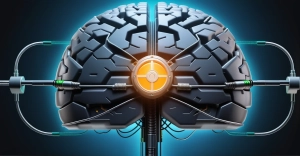

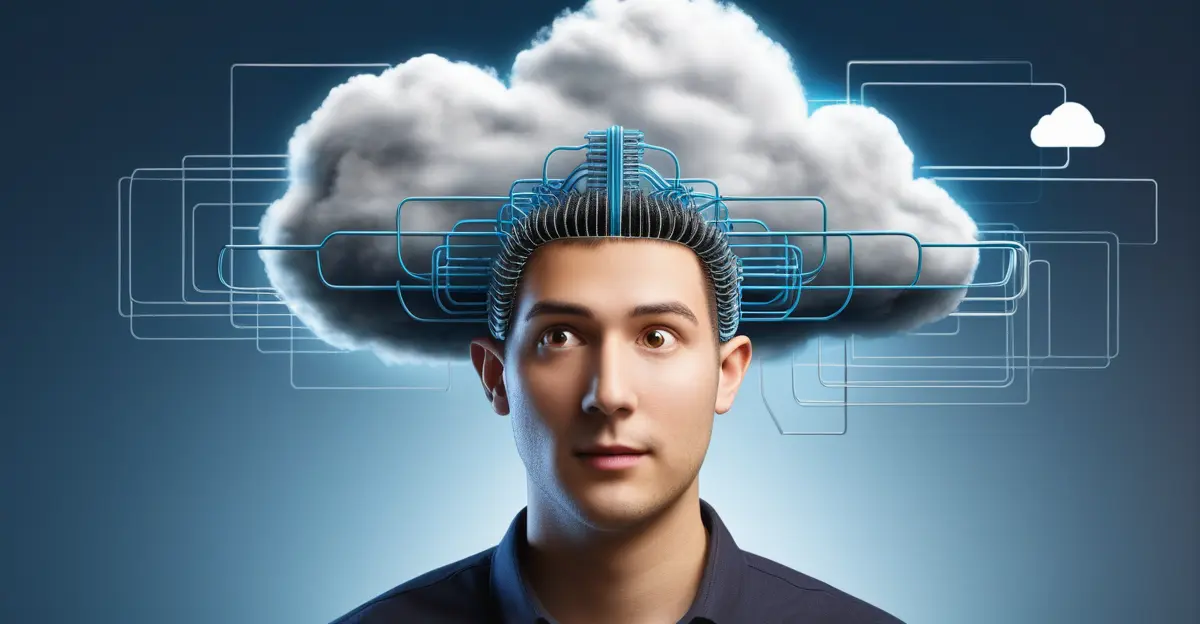
The phrase mind uploading sounds clean and inevitable. Take the contents of the brain, move them to the cloud, and keep living in software. It is a powerful idea because it compresses a hundred messy scientific and legal problems into one elegant fantasy. The reality is much less tidy. What researchers can gather today are fragments: neural signals, imaging data, behavioral traces, and patterns linked to memory, movement, or intention. The payoff for the reader is simple. This guide explains what brain data actually is, why a cloud-based consciousness is still speculative, and what ownership, consent, and deletion rules would matter long before a true neural backup becomes possible.
Why mind uploading is not the same thing as copying a file
Most people imagine uploading as a transfer problem. If photos can move from a phone to a server, why not a mind? The trouble is that the brain is not a finished document. It is an active biological system with changing electrical patterns, chemical states, body feedback, and social context all shaping what we call a self.
That means mind uploading is not just about scanning structure. It would also require some way to capture process. A comparison helps. A screenshot of a music app is not the same thing as the music. Likewise, even a perfect anatomical map of the brain would not automatically preserve ongoing mental life. It might capture layout without preserving experience.
This is why serious neuroethics work from the NIH BRAIN Initiative keeps focusing on governance, consent, and translation limits rather than pretending we are one engineering sprint away from digital immortality. The science is still wrestling with what neural data can reveal, what it cannot reveal, and how much interpretation sits between signal and meaning.
What brain data actually looks like today
A lot of popular writing treats brain data as if it were already a readable script. In practice, it is far noisier and narrower than that.
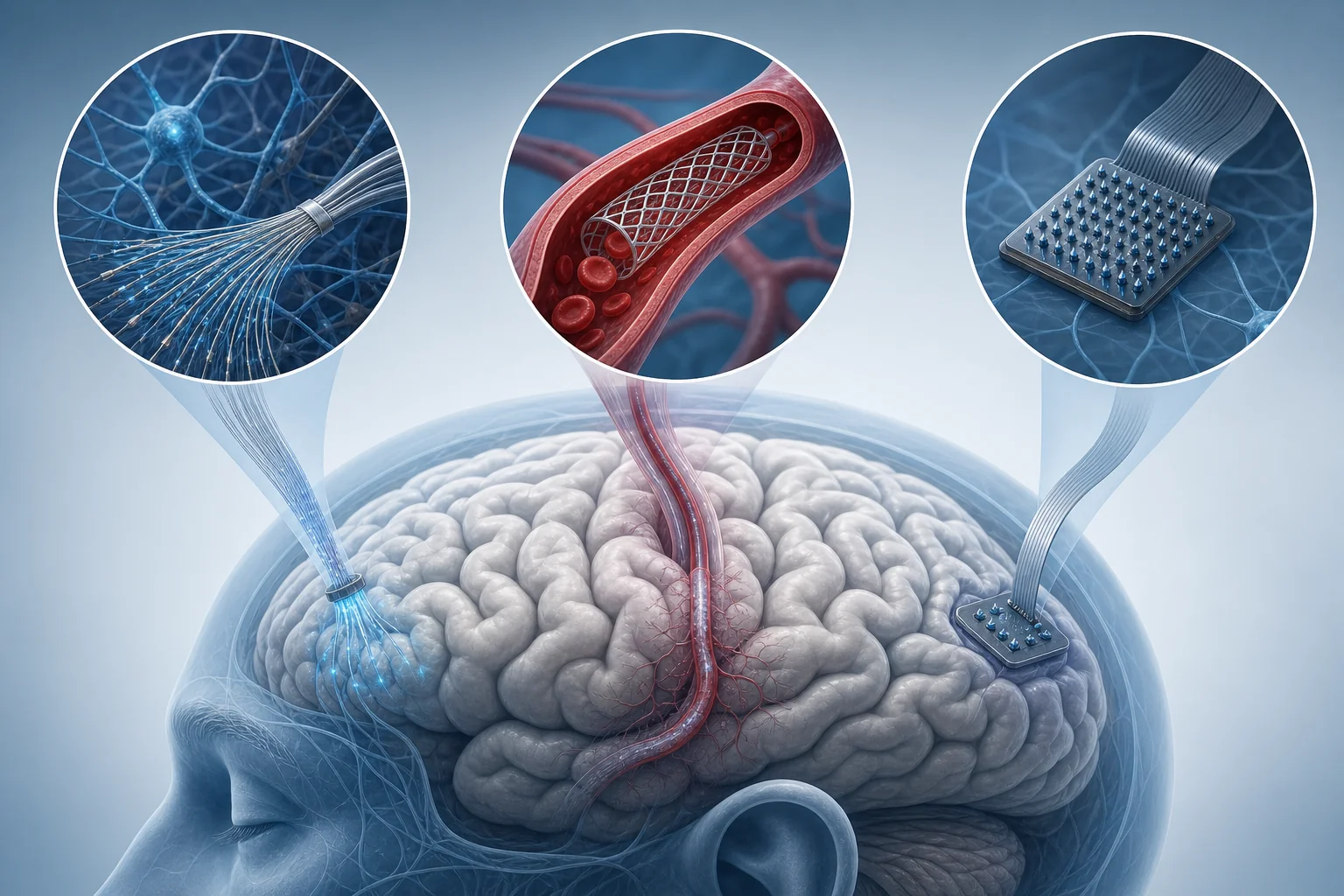
Researchers may work with EEG signals, implanted electrode recordings, brain imaging, stimulation responses, or digital behavior linked to neural hypotheses. Each format captures something useful, but each also loses context. An implant used to restore movement might decode intended cursor motion. A memory study might identify patterns associated with successful encoding. Neither result gives you a portable copy of a human person.
A concrete example makes this easier to understand. A smart watch can infer that you were stressed because it combines pulse changes, motion, and time patterns. It still does not know what a fight felt like from the inside. Brain data has a similar problem. It can become highly informative without becoming a complete map of subjective life.
That matters for neural backup claims. The first systems that look like a backup are likely to be partial archives: memory cues, speech history, preference models, medical signals, and behavioral metadata. Useful, yes. Equivalent to a self, no.
What cloud-based consciousness would really require
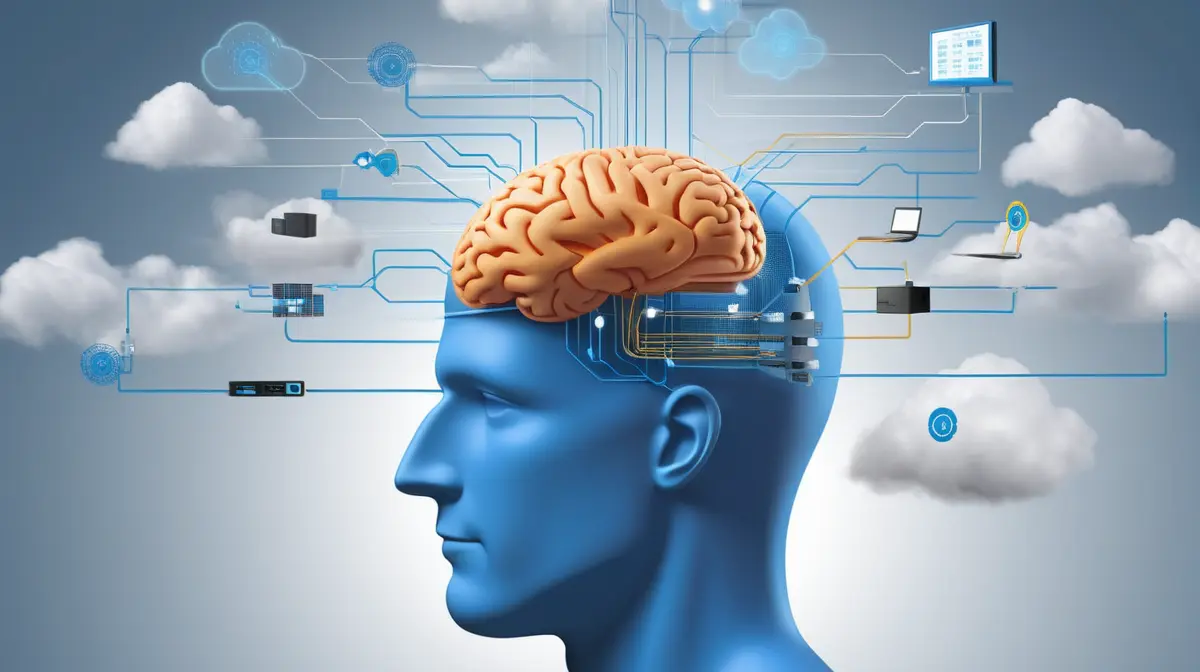
To move from stored neural traces to cloud-based consciousness, several separate problems would all need to be solved at once.
First, scientists would need a far richer account of how identity persists through time. Second, they would need technology capable of capturing brain activity at a resolution and duration far beyond routine clinical use. Third, they would need a model that could recreate not only memory fragments, but also perception, agency, emotional weighting, and adaptation.
This is why the phrase digital afterlife is currently more defensible than uploaded mind. A memorial system built from your writing, voice, and history is technically plausible in narrow ways. A living continuation of your consciousness is a different claim entirely.
UNESCO’s neurotechnology ethics work is useful here because it treats identity, autonomy, and mental privacy as immediate issues, not distant science fiction. That framing is important. By the time a true upload is even partially imaginable, society will already have years of messy precedent from smaller tools that store, classify, and monetize brain-adjacent data.
If your brain data goes to the cloud, the first fight is governance
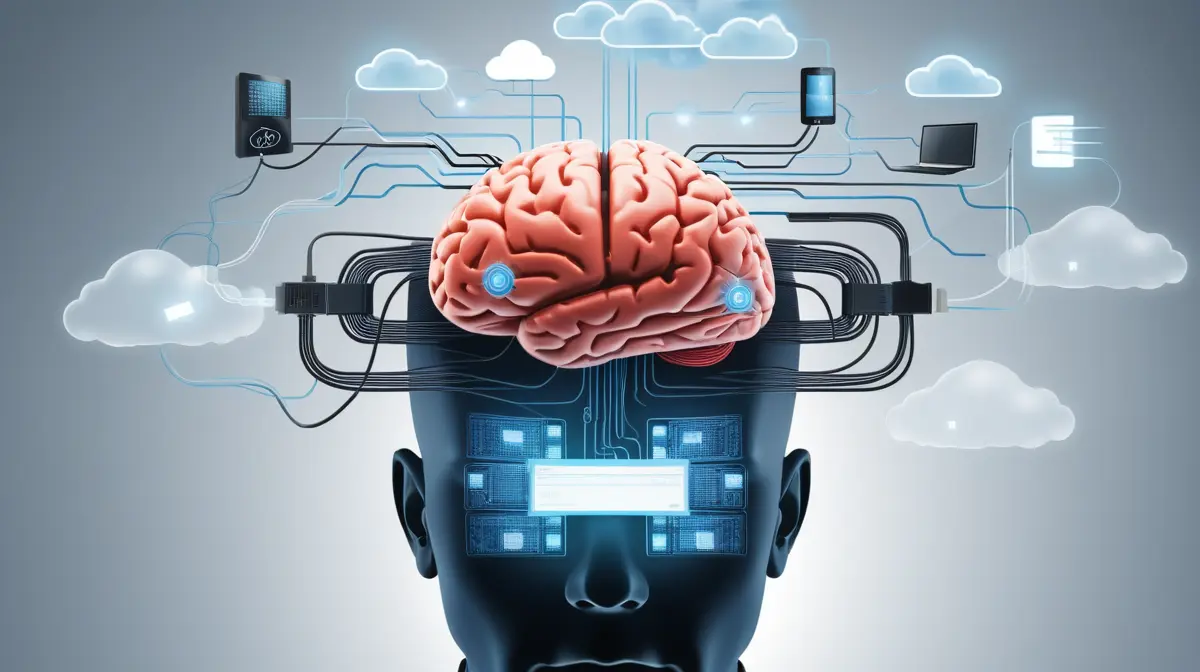
Assume for a moment that future devices do send richer neural data to remote systems. The first crisis would not be metaphysical. It would be operational.
Who stores the data? Who can train models on it? Can an insurer demand access to cognitive risk signals? Can a platform keep a copy after you stop using the service? Can your family inherit your neural backup if you die? Those questions come earlier than any philosophical debate about uploaded souls.
NIST’s cloud security guidance is relevant because it breaks down a boring but vital point: once sensitive data leaves a local environment, governance is about roles, interfaces, transit, storage, and monitoring. Brain data would intensify all of those concerns. Unlike a password, you cannot simply rotate a lifetime of cognitive history after a breach.
A practical comparison helps. Losing a credit card is serious. Losing a neural profile that reveals disease markers, recognition patterns, or emotional triggers could follow a person for decades. The risk is not just theft. It is profiling, behavioral targeting, and irreversible exposure.
Digital afterlife products may arrive long before real uploading
The most realistic near-term outcome is not an immortal mind in a server farm. It is a market full of services that simulate continuity.
Some will promise legacy assistants that answer in your style. Others may preserve your memories, voice, or decision preferences for family use. A few may market themselves as mind uploading even when they are really offering a layered archive plus a conversational model.
That distinction matters. A memorial chatbot trained on your messages may feel emotionally powerful. It may help grieving relatives. But it is still not a living continuation of your consciousness. Calling it one would blur the line between representation and personhood.
This is where digital afterlife products can become ethically slippery. If the product feels intimate enough, companies gain leverage over people at their most vulnerable moment. Deletion rights, consent renewal, export rights, and clear labeling become essential. Otherwise the customer is not buying immortality. They are renting a platform-dependent imitation of continuity.
Ownership is not enough if portability and deletion do not exist
People often say users should own their brain data. That sounds good, but it is not sufficient.
Ownership without technical portability can still trap a person inside one provider. Ownership without deletion rights can still leave copies everywhere. Ownership without informed consent can become a legal fiction because most users will not understand what downstream model training, inference, and sharing actually mean.
A better framework would ask four questions.
- Can the person see what was collected?
- Can the person move it to another service?
- Can the person delete it in a meaningful way?
- Can the person refuse secondary uses without losing core medical functionality?
Those are not abstract concerns. They are the everyday mechanics of data privacy once neural systems become networked. Brain-data governance needs to be designed before the market matures, not after a few spectacular failures teach the lesson the hard way.
The most honest future is probably hybrid, not uploaded
If anything like a useful neural backup emerges, it will probably be hybrid.
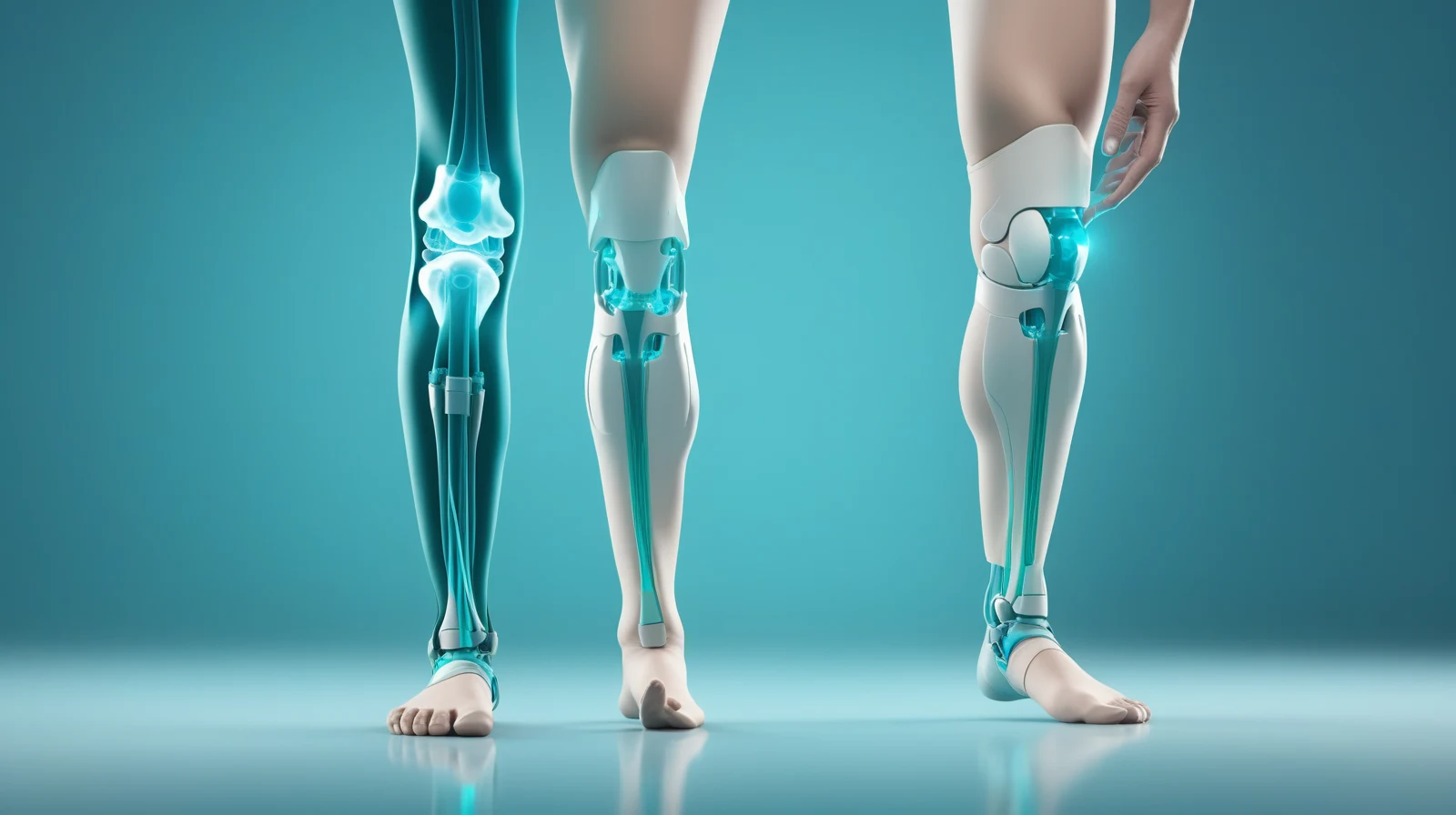
Part of the system will stay biological. Part will be medical or assistive hardware. Part will be cloud software that stores cues, preferences, recordings, and models. That future is still significant. It could change rehabilitation, accessibility, aging, and personal archiving. But it is a different future from the one implied by pure upload rhetoric.
A good comparison is navigation. Modern maps do not replace your ability to move through the world, but they radically change how you plan, remember, and decide. Future neural systems may do something similar for memory and cognition. They may extend the mind without becoming the mind.
What regulators should decide before consumer neural backup exists
The easiest mistake would be waiting for a full mind uploading product before writing rules. By then, the market narrative will already be set. A stronger approach would regulate intermediate products first: brain-data storage, model training on neural traces, third-party access, export rights, and post-death control.
A practical comparison helps. Society did not wait for fully autonomous cities before writing traffic rules. It regulated lanes, licensing, insurance, and liability around the technologies that arrived first. Brain-data systems need the same treatment. The early commercial layer will not be uploaded consciousness. It will be hybrid services that mix neural signals with cloud profiles, personal archives, and AI inference.
That means regulators should define what counts as medically necessary use, what counts as secondary commercial use, and what consent must look like when a person is vulnerable, grieving, or cognitively impaired. The rules should also answer a difficult question that most futurist writing skips: can a company keep derived models after a user asks to delete the raw data? If the answer is unclear, deletion becomes cosmetic.
This section matters because the real power in a future cloud-based consciousness market may sit less in the device than in the platform contract behind it.
Final Thoughts
If your brain ever connects to the cloud in a serious way, the first question will not be whether you achieved digital immortality. It will be who controls the resulting data, who profits from it, and what rights you keep when the most intimate information you produce becomes computable.
That is why mind uploading is the wrong place to start. The more useful place to start is governance. Cloud-based consciousness is still speculative. Brain-data ownership, consent, portability, and deletion are not. Those are the rules that will decide whether future neurotechnology feels like liberation, dependency, or something uncomfortably close to extraction.