
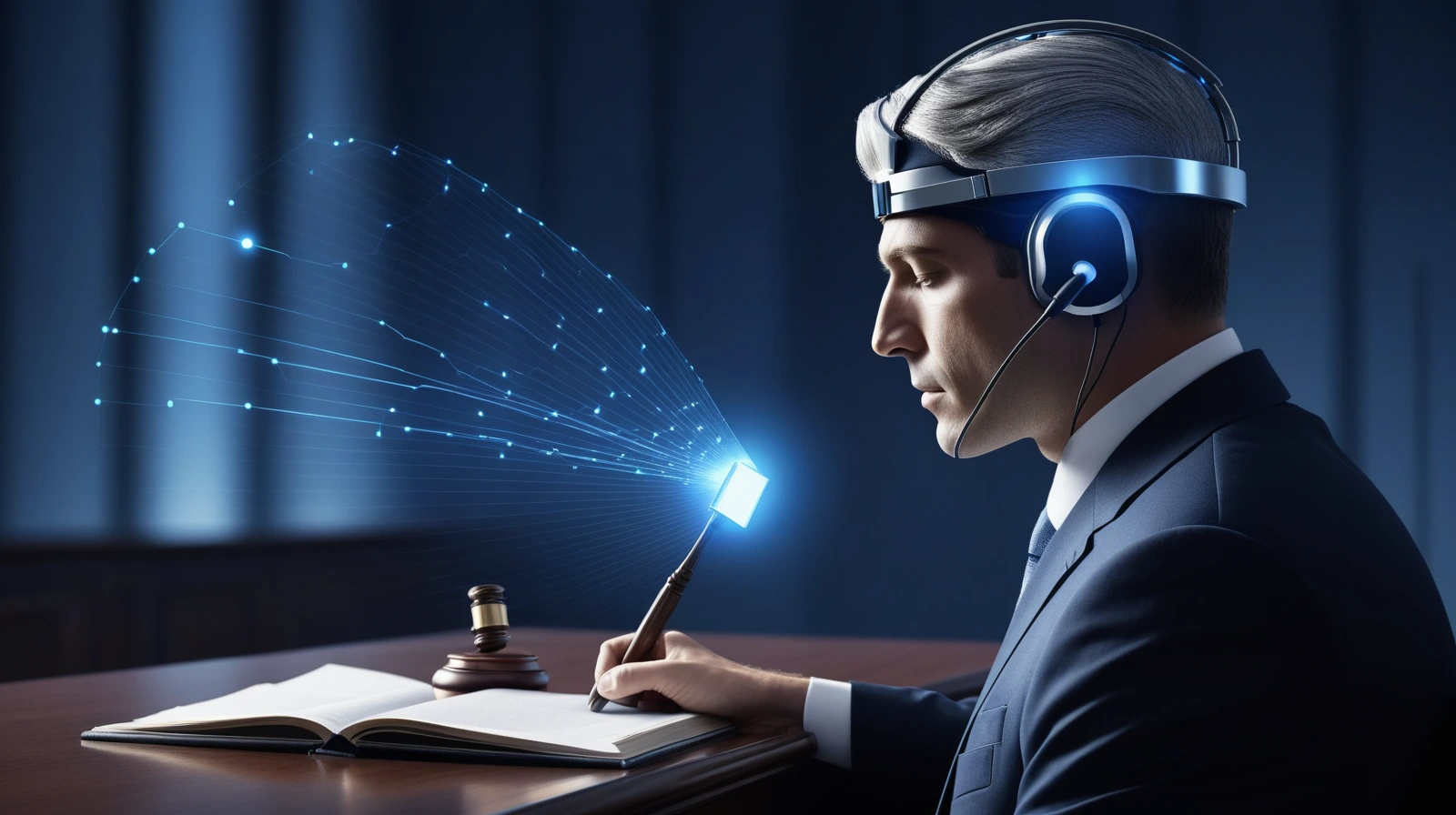
If you are worried that a government could subpoena your thoughts, the honest answer is more specific than the headline sounds. Raw thoughts are not the same thing as stored data. The real legal risk starts when brain activity is measured, decoded, saved, or synced somewhere that a subpoena, warrant, or court order can reach.
That distinction matters because neurotechnology is moving the privacy debate from speculation to records. A headset can collect brain signals. A medical implant can generate device output. A cloud account can store the results. Once that happens, the question is no longer “can anyone read my mind?” It becomes “who can lawfully demand the data?”
What neural privacy actually means
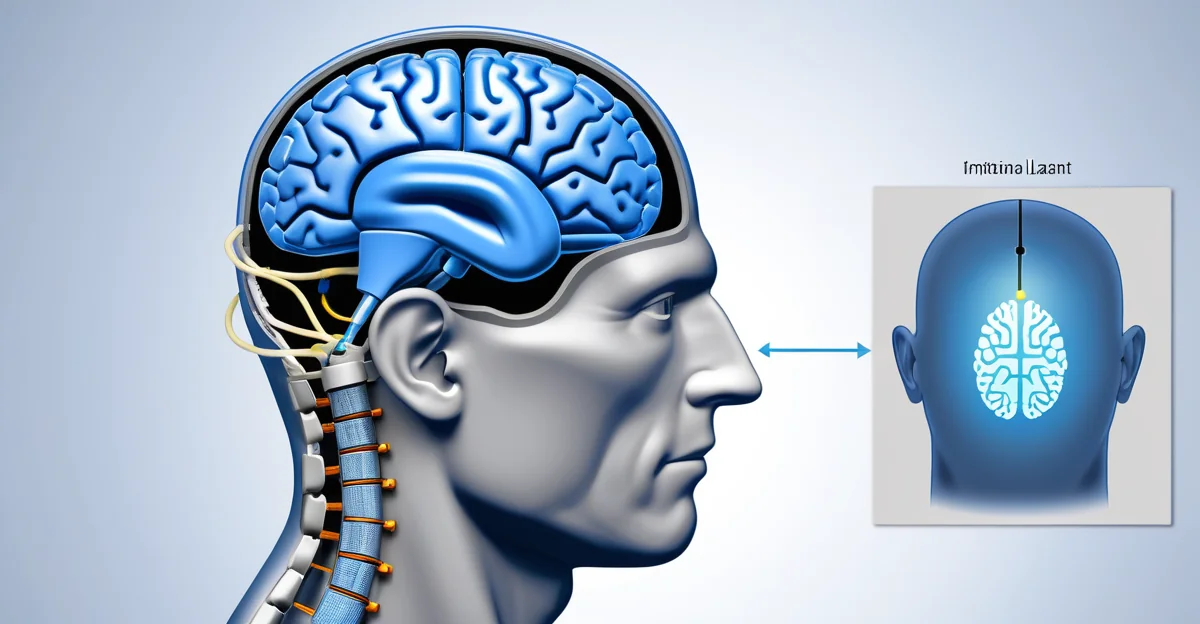
Neuroprivacy is the privacy problem created when mental activity becomes machine-readable. In research and policy writing, that usually gets described with terms like brain data, neural data, or mental privacy. A recent paper on brain privacy argues that the concern is not just futuristic mind reading, but the ordinary flow of data from neurotechnology into healthcare, criminal justice, and consumer systems (Brain Data in Context). Another review says the boundary between mental activity and data is already getting thinner as neurotechnology advances (Mental privacy: navigating risks, rights and regulation).
That matters for a simple reason: a thought in your head is private in a very different way from a file on a server. The first is internal. The second is stored, searchable, and easier to demand through legal process.
Colorado’s 2024 HB24-1058 makes that shift explicit in law. The bill says neural data is information generated by measuring activity in the central or peripheral nervous system and processed by a device. It also says neural data can reveal health, mental states, emotions, and cognitive functioning (Colorado HB24-1058). That is a good plain-language definition of why lawmakers are starting to treat it as sensitive.
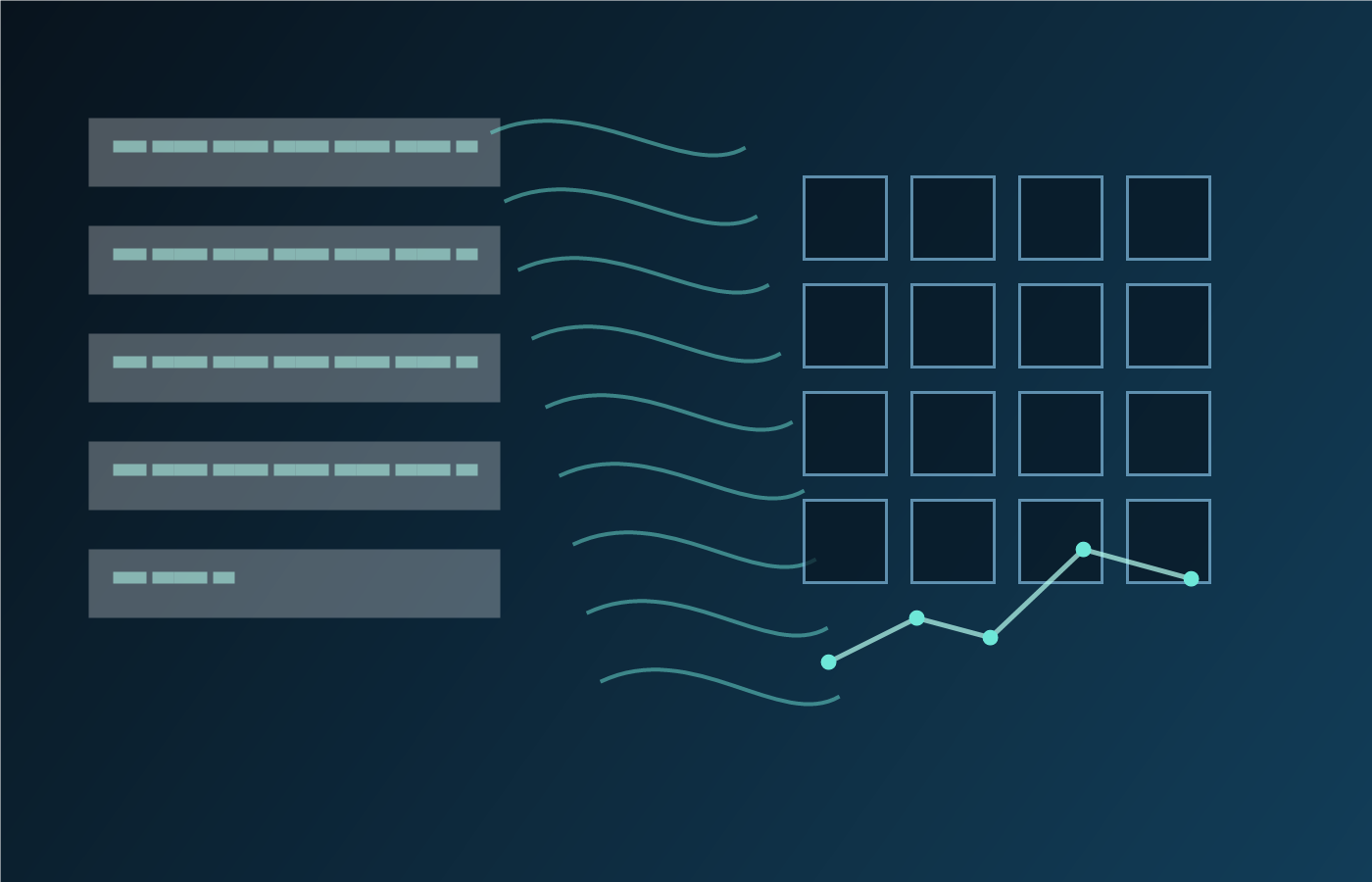
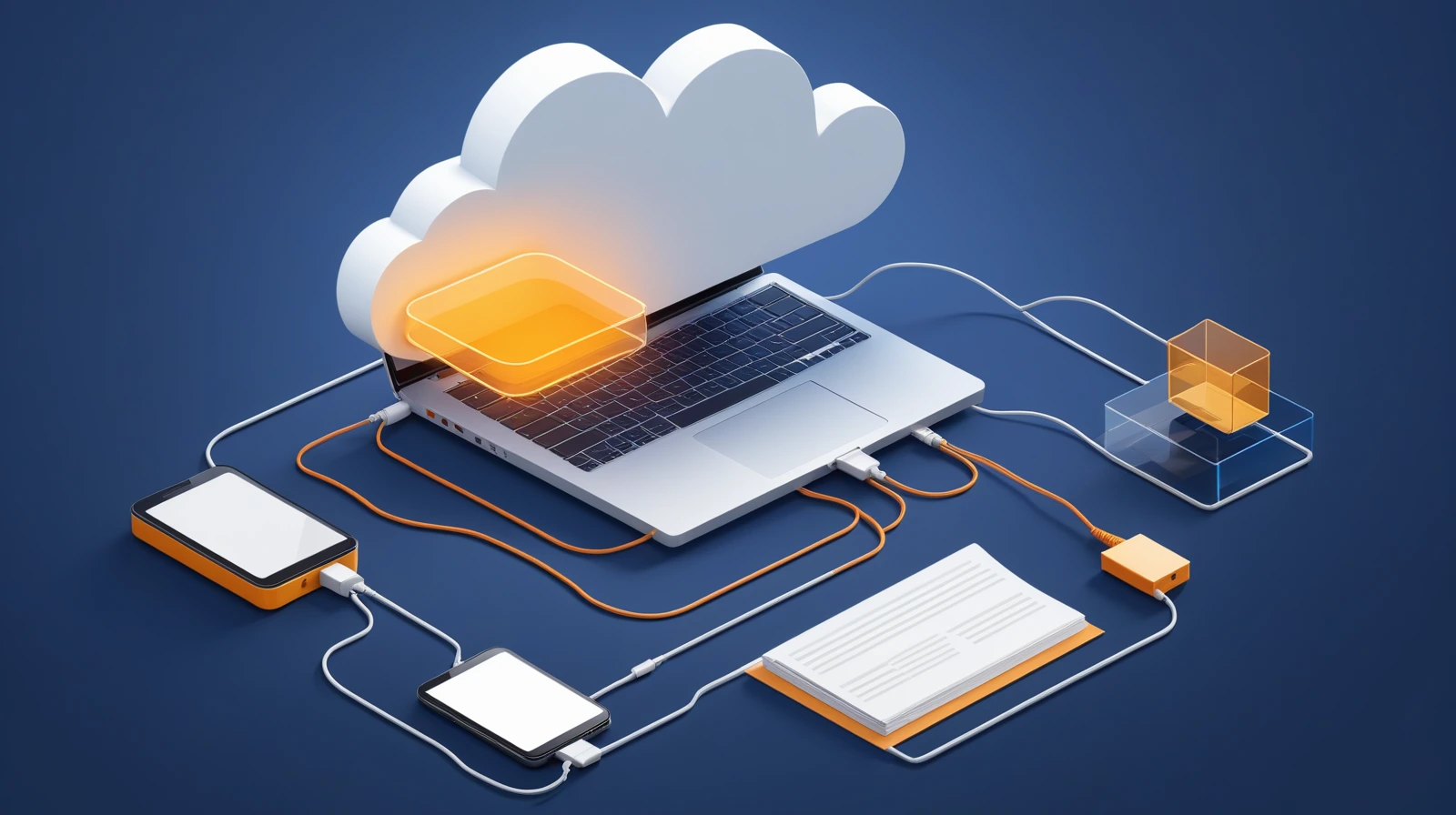
There is also a practical reason this matters outside of court. Once a headset or app turns a signal into a dashboard, a report, or an export file, the data stops being just a fleeting measurement. It becomes metadata, a profile, or an analytic output that can be copied, retained, shared, and requested later. That is the point where privacy work becomes less about philosophy and more about data architecture.
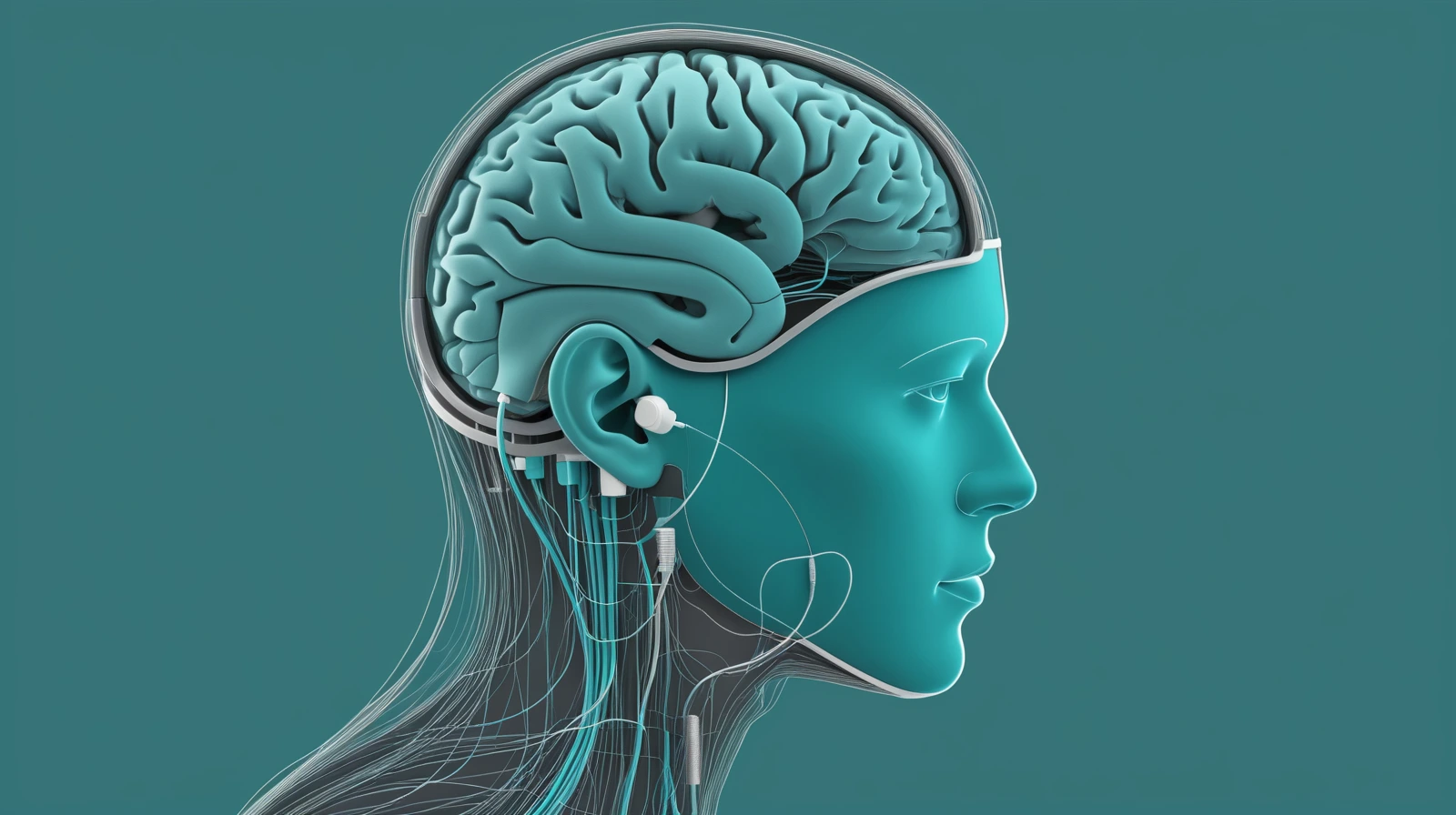
Can governments subpoena thoughts?
Short answer: not in the way people usually mean the phrase.
A subpoena is a demand for documents, testimony, or records. Thoughts are not usually a record until something records them. The law therefore turns on the form the information takes.
The Fifth Amendment is a good place to start, because it protects against compelled testimonial self-incrimination. In United States v. Hubbell, the Supreme Court explained that the act of producing documents can itself be testimonial when it communicates existence, possession, and authenticity of the records (Hubbell). In Doe v. United States, the Court also distinguished between compelling a person to provide testimony and compelling production of documents (Doe).
That distinction is important for neuroprivacy. If the government asks for your actual spoken testimony about what you remember, that is one issue. If it asks for the contents of a file generated by a BCI headset, that is another. If it asks a company for cloud-stored neural data, that is another again.
Digital privacy doctrine also matters. In Riley v. California, the Court held that digital data on a phone deserves far greater privacy protection than a quick search of a physical object, and officers generally need a warrant to search that data (Riley). That does not solve every neural-data problem, but it shows the Court recognizes that digital records can contain far more private information than ordinary paper files.
So the clean answer is this: governments generally cannot subpoena your private thoughts as thoughts. But they may be able to reach neural data once it becomes a record, especially if a device, app, or provider stores it.
Why neural data is treated as sensitive
Neural data is sensitive because it is not just another behavioral metric. It can expose what the brain is doing, which can overlap with health, emotion, fatigue, attention, and cognition.
Colorado’s bill makes that logic plain. Its legislative findings say neural data is extremely sensitive because it can reveal intimate information about health, mental states, emotions, and cognitive functioning, and because every human brain is unique (bill text). That is why the law expands sensitive data to include biological data, which includes neural data.
This is a meaningful policy marker. It does not mean every U.S. state has the same rule. It does mean lawmakers are already moving away from the idea that brain-related data is just another kind of app data.
The ethical literature points the same way. Minding Rights argues that neurotechnologies raise concerns around mental privacy, mental integrity, and cognitive liberty, often grouped as neurorights (Minding Rights). A newer paper on mental privacy says advances in neuroscience are eroding the boundary between mental activity and data, and that regulation needs to account for that shift (Mental privacy).
The practical comparison is simple:
- A thought is transient.
- A recorded neural signal is a file.
- A synchronized dashboard is a record held by someone else.
The law can reach records much more easily than transient mental states.
Where the legal gap is largest
The largest gap is not in science fiction. It is in ordinary systems that collect brain-related data without making the privacy stakes obvious.
Consumer neurotech is one obvious risk. A wearable EEG headset, sleep tracker, or attention monitor may store outputs in an account that is easy to share, export, or request. If that data lives on a third-party server, the privacy question becomes more familiar to lawyers: who holds it, what does the subpoena ask for, and what privilege or statute applies?
Healthcare and research are another area. Brain data collected in a clinical setting may be protected by medical privacy rules, but those protections are not absolute, and they do not automatically erase the government’s ability to seek records through lawful process. The point is not that everything is exposed. The point is that access depends on context.
Criminal justice is the most obvious edge case. The brain-data privacy literature explicitly says neurotechnology creates important information flows in criminal justice, healthcare, and consumer marketing (Brain Data in Context). That is exactly where activists and law students should focus, because those are the places where a “data record” can become evidence.
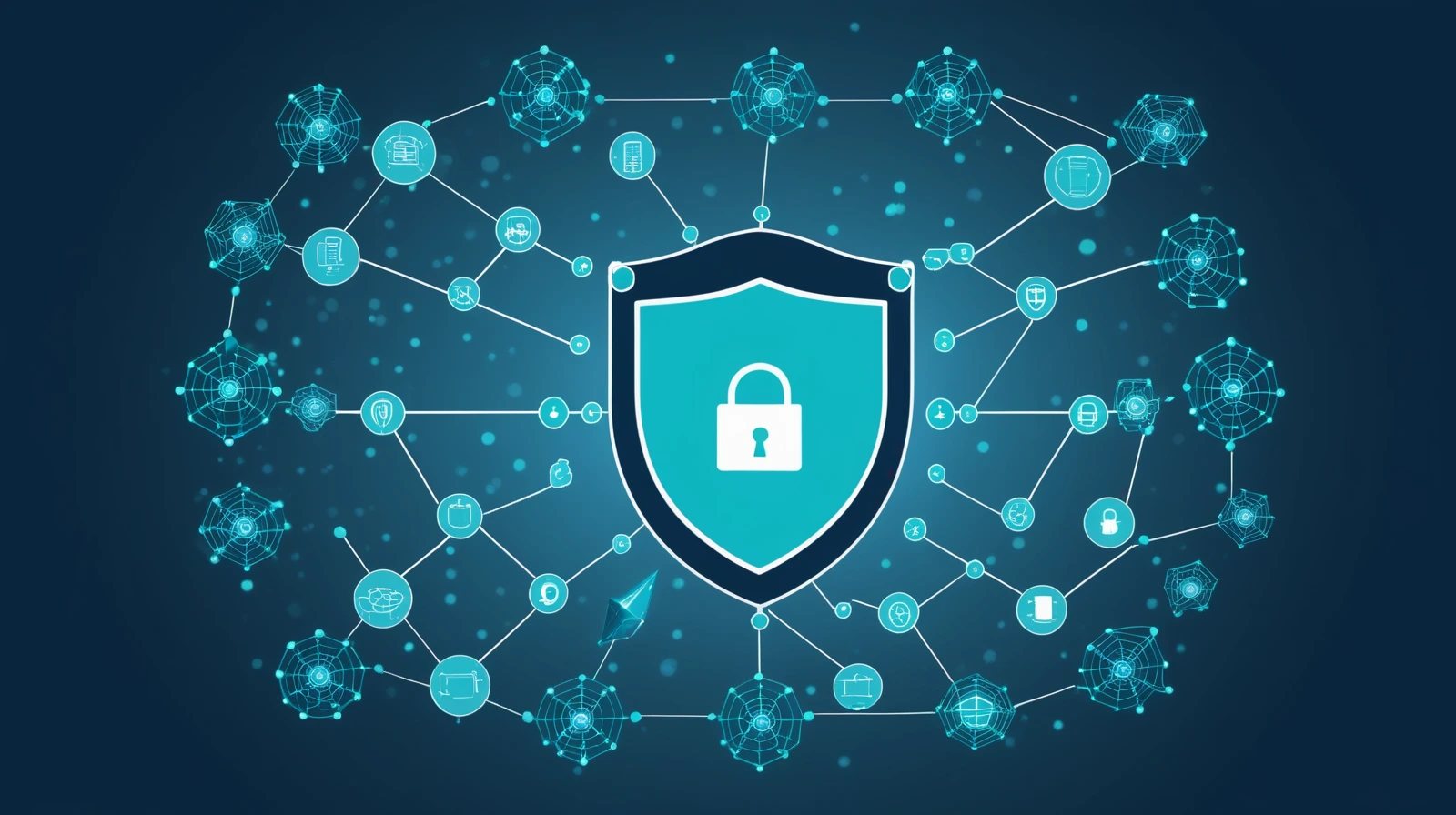
What actually reduces risk
The best privacy controls are boring, and that is a compliment.
First, keep processing on device when possible. If a headset or implant can compute locally instead of uploading raw signals, there is less to subpoena later. That is an inference from ordinary data-security practice, not a guarantee, but it is a strong one.
Second, minimize retention. The less data stored, the less that exists to compel. A privacy-by-default system should keep only what is needed for the function at hand.
Third, encrypt the data and separate identifiers from neural signals where possible. The neurodata privacy literature recommends technical approaches such as encryption, differential privacy, and federated learning to help protect neurodata (Advocating for neurodata privacy and neurotechnology regulation).
Fourth, treat procurement and legal review as part of privacy design. If an organization buys neurotechnology for research, wellness, or security screening, it should ask how the vendor handles export, deletion, incident response, and government requests before anyone signs a contract. That is boring work, but it is usually the difference between a controlled system and a future subpoena problem.
Fifth, keep consent narrow and understandable. If a user agrees to one clinical use, that should not silently become broad reuse for product analytics, training, or law-enforcement requests.
Fifth, ask where the data lives. If the answer is “only on the device,” the risk profile is different from “synced to the cloud and retained indefinitely.”
Final Thoughts
The question is not whether governments can magically subpoena your thoughts. The more realistic question is whether they can compel access to records created by neurotechnology.
That difference matters. It is the difference between an internal mental state and a stored data trail. It is also the difference between science fiction and the legal problems lawmakers have to solve right now.
Neuroprivacy will probably be won or lost on the boring details: where the data is stored, who can see it, how long it is kept, and what legal process is required to get it. If the data never leaves the device, the risk is lower. If it moves into a cloud account, the exposure rises fast.
That is the real boundary. Not mind reading. Data access.
For activists and policy students, the practical lesson is straightforward: push for explicit neural-data definitions, short retention periods, on-device processing when possible, and subpoena rules that do not pretend all data is ordinary data. Those are not glamorous reforms, but they are the ones that actually change what a court, agency, or vendor can do later.