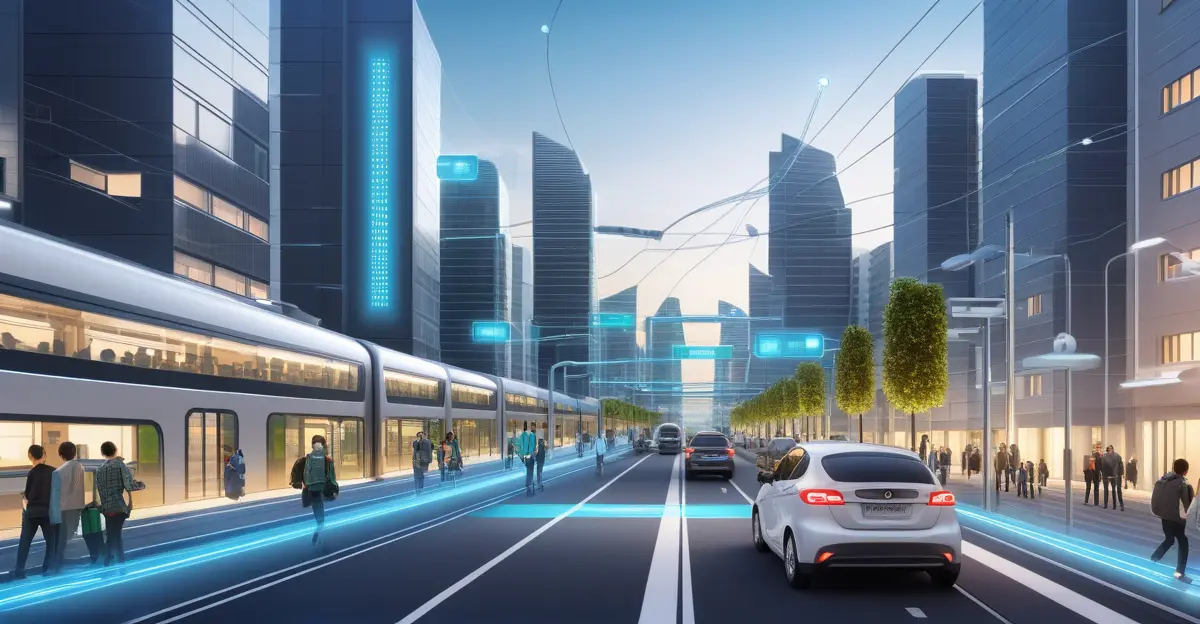


The AGI Architect: Can Machines Design Buildings Humans Can’t Comprehend? sounds dramatic, but the useful version is practical. The reader payoff is simple: this article explains what Generative AGI design means, where the technology is credible, where the speculation starts, and what decisions engineers, buyers, and policy-minded readers should watch next. The goal is not to make the future sound inevitable. It is to separate technical direction from hype so the risks and opportunities are easier to evaluate.
If the term is new to you, start with our explainer on what Artificial General Intelligence (AGI) really is.
Why AI architecture is not just image generation
The public often sees AI architecture as surreal renderings. The serious version is more technical. Generative design can search through floor plans, structure, daylight, circulation, energy use, cost, code constraints, and material choices. A future generative AGI design system would not merely draw unusual buildings. It would explore design spaces too large for humans to test manually. That is why architects should pay attention even if most current AI imagery is shallow.
For architects, ai researchers, design students, the practical test is whether the system can be specified, audited, and challenged. A useful deployment should make the role of Generative AGI design visible enough that people can understand what is being inferred, what is being automated, and where a human decision still enters the loop. That standard matters because early systems often look impressive in demos while hiding messy assumptions about data quality, incentives, edge cases, and who is responsible when the output is wrong.
What machines can optimize better than humans
Machines are strong at exploring many combinations under measurable constraints. They can evaluate thousands of structural layouts, facade options, or circulation patterns against targets. A comparison helps. A human architect might test several promising schemes; an AI system can search a much wider field, including options that look strange at first. This is useful for high-dimensional problems where energy, structure, cost, and comfort interact in non-obvious ways.
For architects, ai researchers, design students, the practical test is whether the system can be specified, audited, and challenged. A useful deployment should make the role of Generative AGI design visible enough that people can understand what is being inferred, what is being automated, and where a human decision still enters the loop. That standard matters because early systems often look impressive in demos while hiding messy assumptions about data quality, incentives, edge cases, and who is responsible when the output is wrong.
Why non-human architecture may look unfamiliar
When a system optimizes for physics, airflow, daylight, embodied carbon, or crowd movement, the resulting form may not match familiar architectural language. It may look like bone, foam, branching networks, or mechanical metamaterials. That does not automatically make it good. It simply means the design emerged from constraints rather than style conventions. The challenge is deciding when unfamiliar form is meaningful performance and when it is just opaque complexity.
For architects, ai researchers, design students, the practical test is whether the system can be specified, audited, and challenged. A useful deployment should make the role of Generative AGI design visible enough that people can understand what is being inferred, what is being automated, and where a human decision still enters the loop. That standard matters because early systems often look impressive in demos while hiding messy assumptions about data quality, incentives, edge cases, and who is responsible when the output is wrong.
Structural AGI would still need explainability
Buildings are not paintings. They have to stand, drain, age, evacuate, and be maintained. If an AI proposes a structure humans cannot understand, responsibility becomes a problem. Engineers need to know why load paths work, where tolerances matter, and how failures propagate. A practical comparison helps: a black-box medical diagnosis is risky, but a black-box skyscraper is unacceptable. The higher the stakes, the more explainability matters.
For architects, ai researchers, design students, the practical test is whether the system can be specified, audited, and challenged. A useful deployment should make the role of Generative AGI design visible enough that people can understand what is being inferred, what is being automated, and where a human decision still enters the loop. That standard matters because early systems often look impressive in demos while hiding messy assumptions about data quality, incentives, edge cases, and who is responsible when the output is wrong.
Generative design already has a precedent
Architecture has used parametric modeling, evolutionary optimization, simulation, and performance analysis for years. AI extends those methods; it does not appear from nowhere. Reviews of AI in architectural design show growing use in floor planning, sustainability analysis, facade design, and structural optimization. That continuity matters. The future AGI architect is more likely to evolve from design software and engineering simulation than from a chatbot drawing dream buildings.
For architects, ai researchers, design students, the practical test is whether the system can be specified, audited, and challenged. A useful deployment should make the role of Generative AGI design visible enough that people can understand what is being inferred, what is being automated, and where a human decision still enters the loop. That standard matters because early systems often look impressive in demos while hiding messy assumptions about data quality, incentives, edge cases, and who is responsible when the output is wrong.
The best AI designs may be collaborative
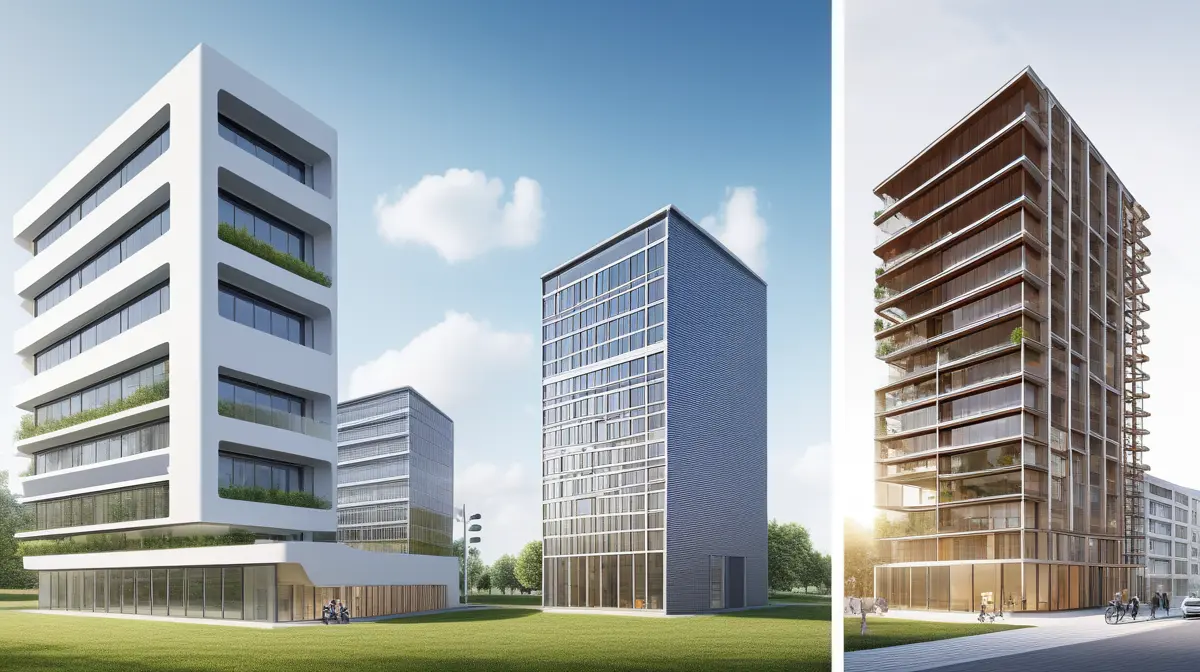
The strongest workflow is likely human-AI collaboration. The architect defines goals, constraints, values, and context. The machine explores tradeoffs and surfaces options. The human then judges meaning, use, neighborhood fit, ethics, and buildability. A comparison helps. A wind tunnel can reveal aerodynamic options, but it does not decide what a city should look like. AI can expand the option space, but it should not own the public consequences.
For architects, ai researchers, design students, the practical test is whether the system can be specified, audited, and challenged. A useful deployment should make the role of Generative AGI design visible enough that people can understand what is being inferred, what is being automated, and where a human decision still enters the loop. That standard matters because early systems often look impressive in demos while hiding messy assumptions about data quality, incentives, edge cases, and who is responsible when the output is wrong.
Creativity is not the only question
People often ask whether AI can be creative. In architecture, a better question is whether a design is inhabitable, maintainable, legal, beautiful, and socially appropriate. An algorithm may generate a surprising structure, but surprise alone is cheap. Real creativity includes constraint, care, and context. A machine can contribute novelty and optimization, but a building becomes architecture only when it works for human life.
For architects, ai researchers, design students, the practical test is whether the system can be specified, audited, and challenged. A useful deployment should make the role of Generative AGI design visible enough that people can understand what is being inferred, what is being automated, and where a human decision still enters the loop. That standard matters because early systems often look impressive in demos while hiding messy assumptions about data quality, incentives, edge cases, and who is responsible when the output is wrong.
Regulation will slow the stranger outcomes
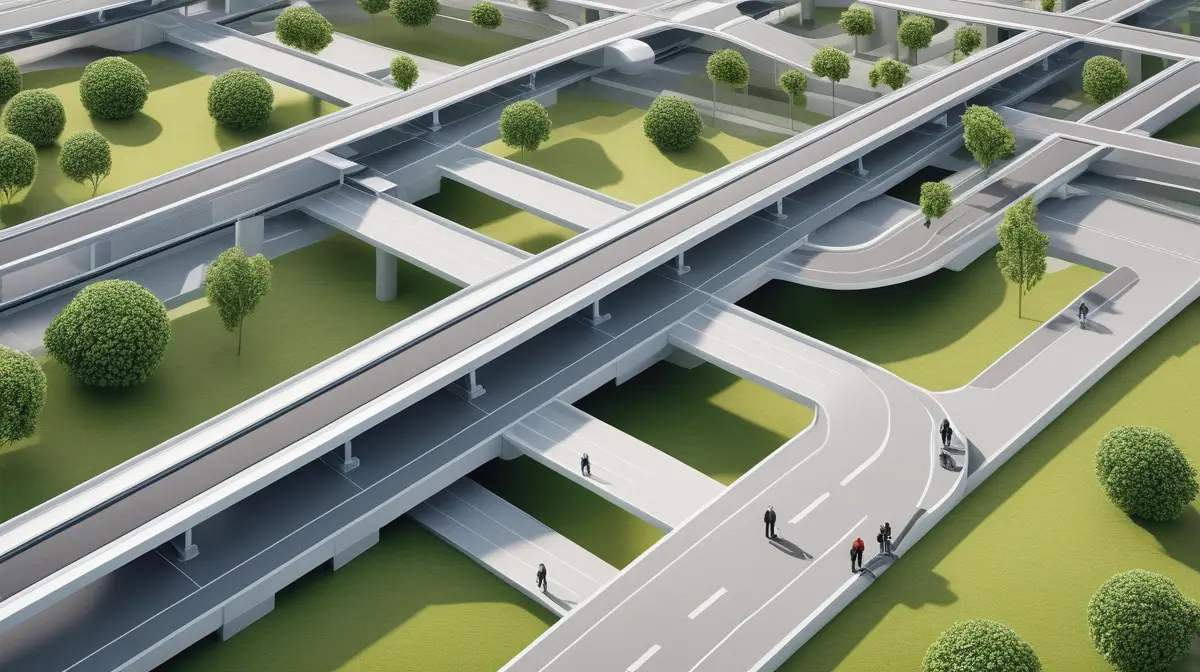
Building codes, liability, procurement, insurance, and construction methods will keep fully alien architecture from appearing overnight. Even if AI produces a radical geometry, contractors need to build it, inspectors need to approve it, and owners need to maintain it. That does not make the technology irrelevant. It means the first major changes may appear in components, structural details, energy systems, and layout optimization before whole buildings become hard to read.
For architects, ai researchers, design students, the practical test is whether the system can be specified, audited, and challenged. A useful deployment should make the role of Generative AGI design visible enough that people can understand what is being inferred, what is being automated, and where a human decision still enters the loop. That standard matters because early systems often look impressive in demos while hiding messy assumptions about data quality, incentives, edge cases, and who is responsible when the output is wrong.
What design students should learn now
The useful skill is not prompt writing alone. Students need systems thinking, simulation literacy, building science, material knowledge, ethics, and the ability to critique machine-generated options. If AI can produce thousands of schemes, the human advantage shifts toward asking better questions and recognizing bad answers. Generative AGI design may change the studio, but it will not remove the need for judgment.
For architects, ai researchers, design students, the practical test is whether the system can be specified, audited, and challenged. A useful deployment should make the role of Generative AGI design visible enough that people can understand what is being inferred, what is being automated, and where a human decision still enters the loop. That standard matters because early systems often look impressive in demos while hiding messy assumptions about data quality, incentives, edge cases, and who is responsible when the output is wrong.
Final Thoughts
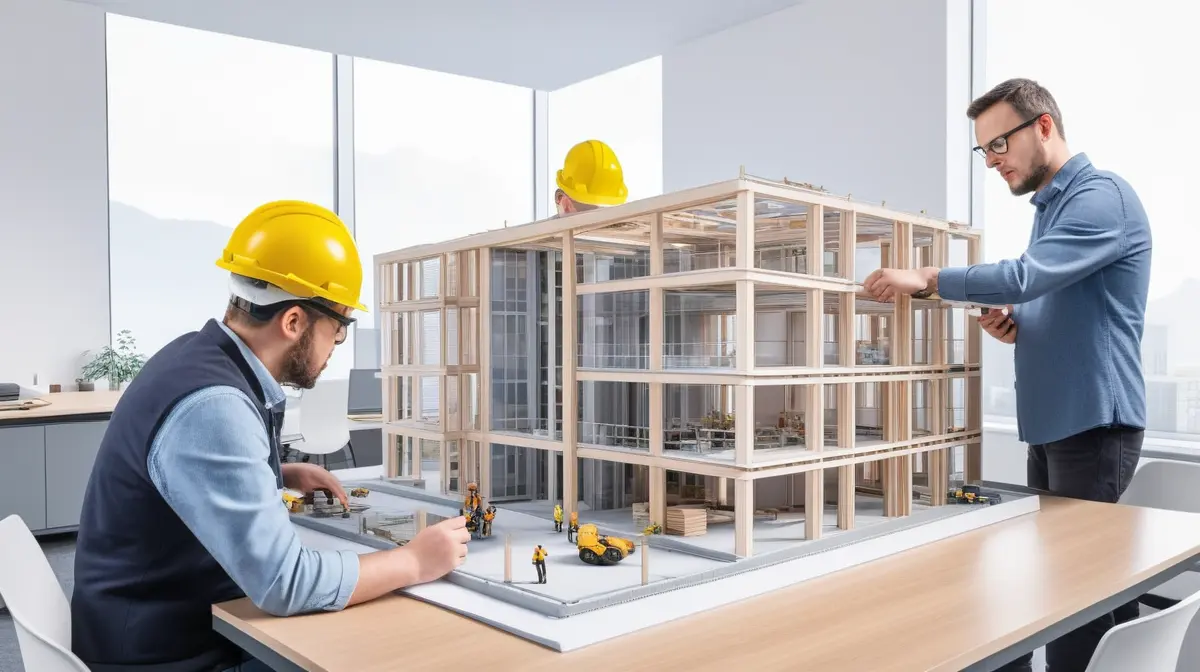
The strongest way to read this topic is as an engineering and governance question, not a prophecy. Generative AGI design points to a real direction of travel, but the important work is in constraints, evidence, security, and human oversight.
For architects, ai researchers, design students, the practical takeaway is to track the stack behind the headline: sensors, models, interfaces, standards, incentives, and accountability. The future will not arrive as one clean breakthrough. It will arrive as smaller systems that become capable enough to change how people design, communicate, store, govern, or protect information.