
The End of Language: How Direct Brain-to-Brain Linking Bypasses Speech sounds dramatic, but the useful version is practical. The reader payoff is simple: this article explains what Neural telepathy means, where the technology is credible, where the speculation starts, and what decisions engineers, buyers, and policy-minded readers should watch next. The goal is not to make the future sound inevitable. It is to separate technical direction from hype so the risks and opportunities are easier to evaluate.
Zoom out with our look at how human intelligence is evolving.
Why neural telepathy is the wrong starting point
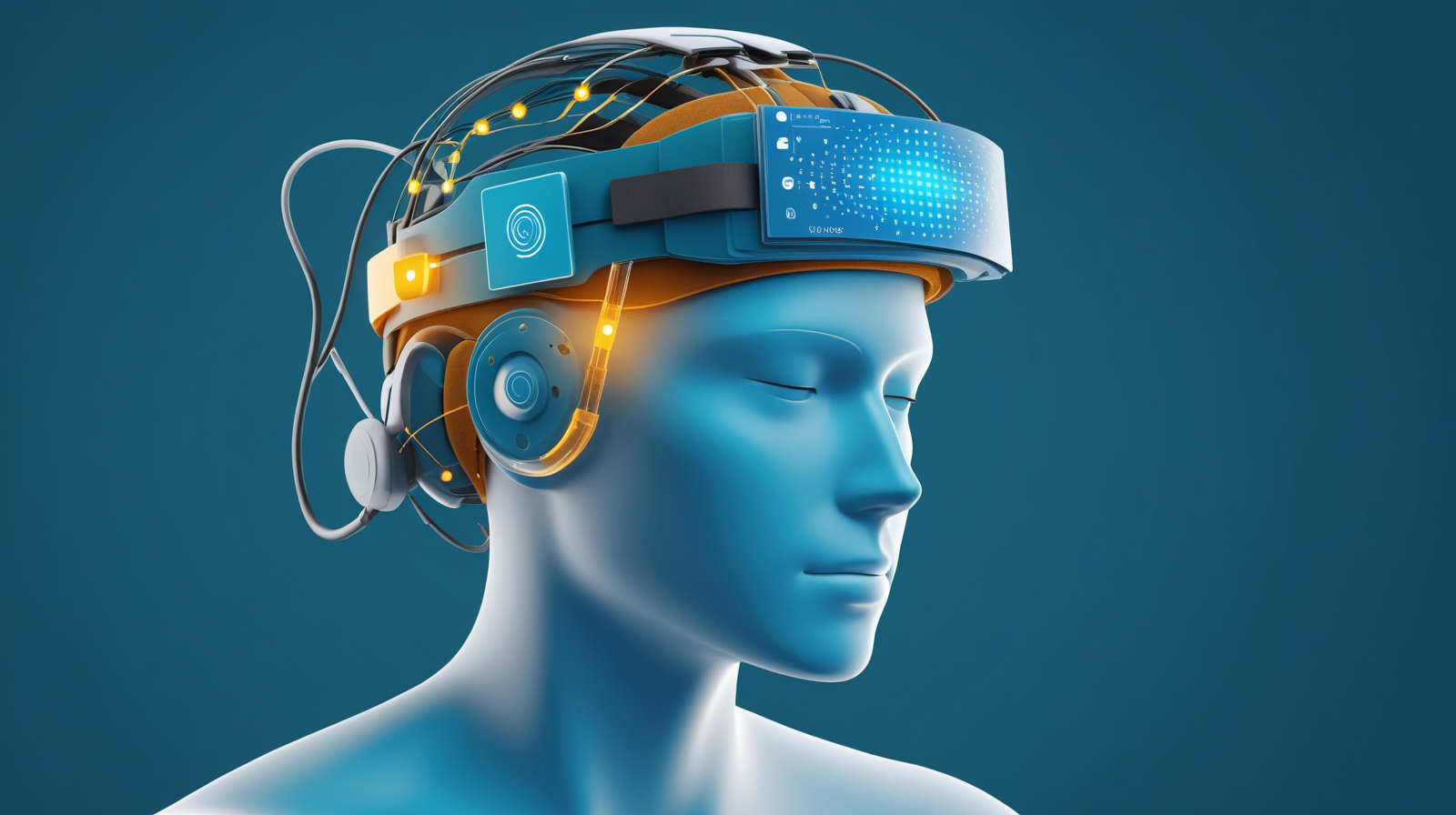
Neural telepathy sounds like instant thought transfer, but real brain-computer interfaces are much narrower. They detect patterns in neural activity and translate them into commands, text, movement, or stimulation. That translation step matters. A BCI does not read a whole private thought in plain English. It estimates a signal from noisy biological data. The useful question is not whether speech disappears tomorrow. It is whether direct neural links can carry limited intent faster or more accessibly than muscles, keyboards, or voices.
For linguists, neuroscientists, tech early adopters, the practical test is whether the system can be specified, audited, and challenged. A useful deployment should make the role of Neural telepathy visible enough that people can understand what is being inferred, what is being automated, and where a human decision still enters the loop. That standard matters because early systems often look impressive in demos while hiding messy assumptions about data quality, incentives, edge cases, and who is responsible when the output is wrong.
What brain-to-brain communication would require
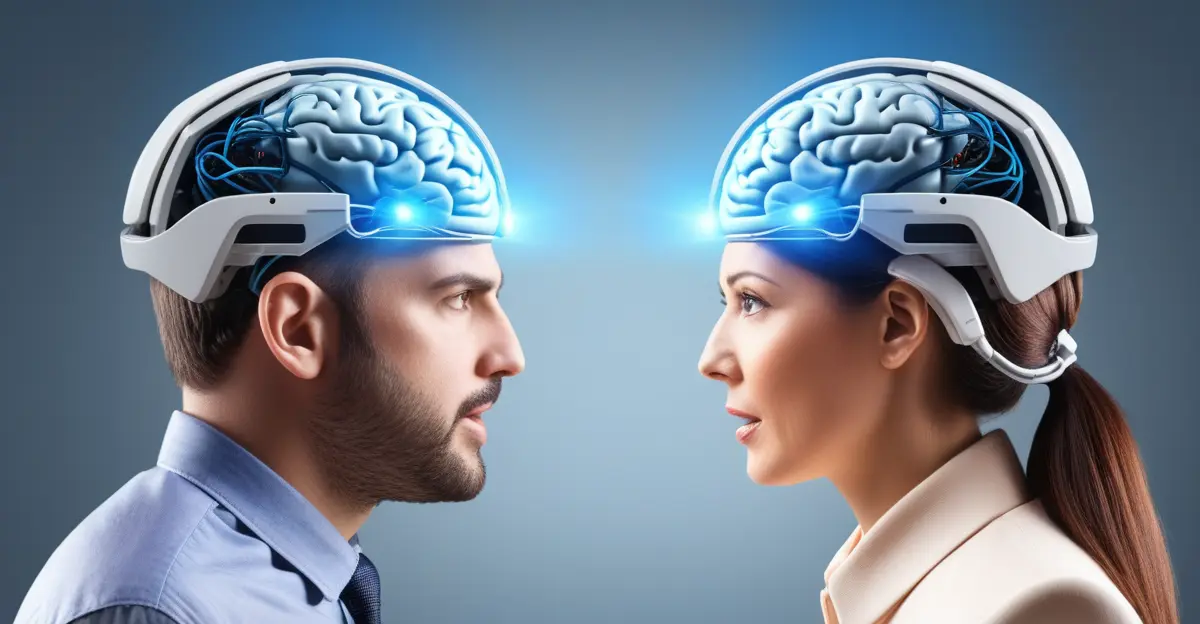
A brain-to-brain interface needs two sides. One system must decode activity from the sender, and another must encode information into the receiver through stimulation, sensory substitution, or an external display. That is much harder than ordinary BCI output. A comparison helps. Sending a text message requires encoding symbols into a shared language. Sending a neural state requires deciding which brain pattern represents the message and how another brain should receive it. There is no universal mental USB port.
For linguists, neuroscientists, tech early adopters, the practical test is whether the system can be specified, audited, and challenged. A useful deployment should make the role of Neural telepathy visible enough that people can understand what is being inferred, what is being automated, and where a human decision still enters the loop. That standard matters because early systems often look impressive in demos while hiding messy assumptions about data quality, incentives, edge cases, and who is responsible when the output is wrong.
Why speech is still a very efficient technology
Speech is old, but it is not primitive. It compresses intention, context, emotion, timing, and social signaling into a fast shared protocol. Linguists know that communication is not just information transfer. It includes repair, ambiguity, politeness, rhythm, and shared assumptions. A neural channel that sends only yes/no choices or cursor movement does not replace that. It solves a different problem. For people who cannot speak, even a narrow neural channel can be life-changing. For everyday conversation, speech remains extremely hard to beat.
For linguists, neuroscientists, tech early adopters, the practical test is whether the system can be specified, audited, and challenged. A useful deployment should make the role of Neural telepathy visible enough that people can understand what is being inferred, what is being automated, and where a human decision still enters the loop. That standard matters because early systems often look impressive in demos while hiding messy assumptions about data quality, incentives, edge cases, and who is responsible when the output is wrong.
Where BCIs are already improving communication
The strongest current use case is assistive communication. Systems that decode attempted speech, handwriting, or motor intent can help people with paralysis communicate more quickly. Recent work with AI copilots also shows how shared autonomy can improve BCI control. A practical comparison helps: the BCI may provide the user’s intent, while the AI copilot helps complete the action. That is not telepathy, but it is a powerful collaboration between neural signal and machine inference.
For linguists, neuroscientists, tech early adopters, the practical test is whether the system can be specified, audited, and challenged. A useful deployment should make the role of Neural telepathy visible enough that people can understand what is being inferred, what is being automated, and where a human decision still enters the loop. That standard matters because early systems often look impressive in demos while hiding messy assumptions about data quality, incentives, edge cases, and who is responsible when the output is wrong.
Post-verbal communication would be partial, not total
Post-verbal communication is most plausible for constrained signals: attention, selection, emotional valence, simple commands, or shared spatial intent. Imagine two engineers moving a robot arm together or two surgeons sharing a visual cue without speaking. That is very different from transferring a poem, an argument, or a memory. The richer the meaning, the more language still matters. Direct neural channels may reduce friction in specific tasks, while language remains the main tool for complex thought.
For linguists, neuroscientists, tech early adopters, the practical test is whether the system can be specified, audited, and challenged. A useful deployment should make the role of Neural telepathy visible enough that people can understand what is being inferred, what is being automated, and where a human decision still enters the loop. That standard matters because early systems often look impressive in demos while hiding messy assumptions about data quality, incentives, edge cases, and who is responsible when the output is wrong.
The bandwidth problem is real
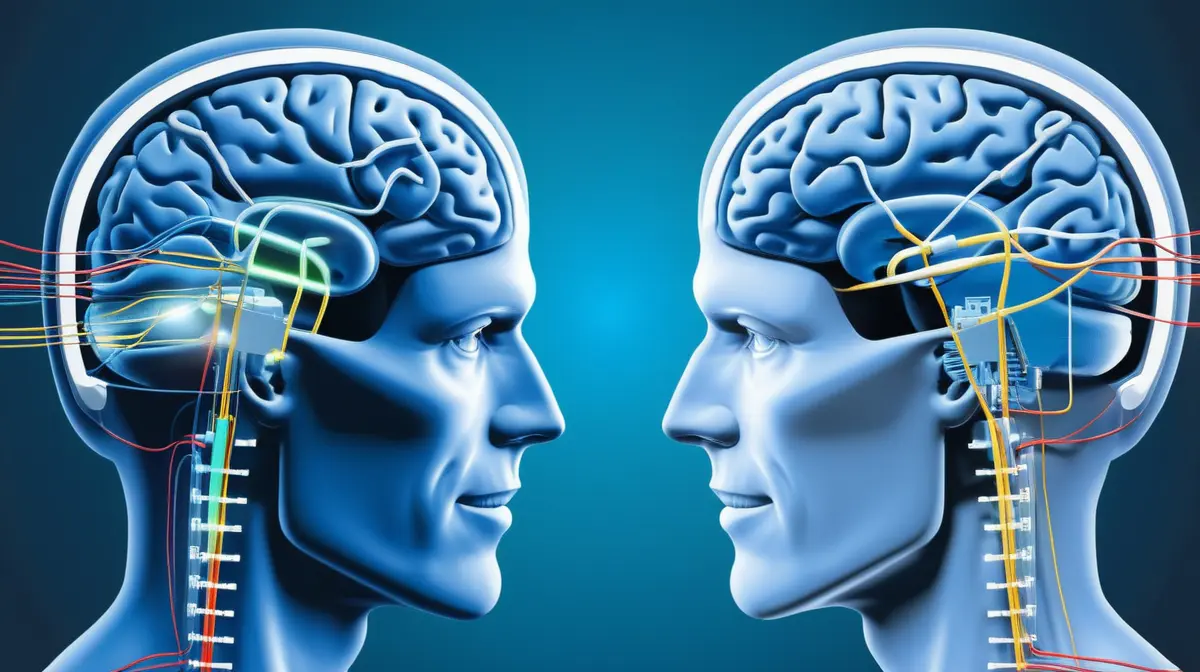
Brains are massively complex, but BCI channels are limited by signal quality, electrode placement, safety, and decoding reliability. Non-invasive systems are easier to use but lower resolution. Invasive systems can offer richer signals but raise surgical, ethical, and maintenance issues. Nature Reviews Bioengineering has discussed future higher-bandwidth communication approaches, but bandwidth is only one part of the problem. Interpretation is the other. More data does not automatically mean more meaning.
For linguists, neuroscientists, tech early adopters, the practical test is whether the system can be specified, audited, and challenged. A useful deployment should make the role of Neural telepathy visible enough that people can understand what is being inferred, what is being automated, and where a human decision still enters the loop. That standard matters because early systems often look impressive in demos while hiding messy assumptions about data quality, incentives, edge cases, and who is responsible when the output is wrong.
Privacy changes when intent becomes data
A neural communication system creates records of attempted actions, attention patterns, confidence, fatigue, or affective state. That is sensitive even if it is not full mind reading. A workplace tool that tracks focus or hesitation could become coercive quickly. A consumer device that turns neural signals into commands could also reveal patterns users never meant to share. Any path toward neural telepathy needs consent, local processing, data minimization, and strong limits on secondary use.
For linguists, neuroscientists, tech early adopters, the practical test is whether the system can be specified, audited, and challenged. A useful deployment should make the role of Neural telepathy visible enough that people can understand what is being inferred, what is being automated, and where a human decision still enters the loop. That standard matters because early systems often look impressive in demos while hiding messy assumptions about data quality, incentives, edge cases, and who is responsible when the output is wrong.
Why linguists should be part of the design
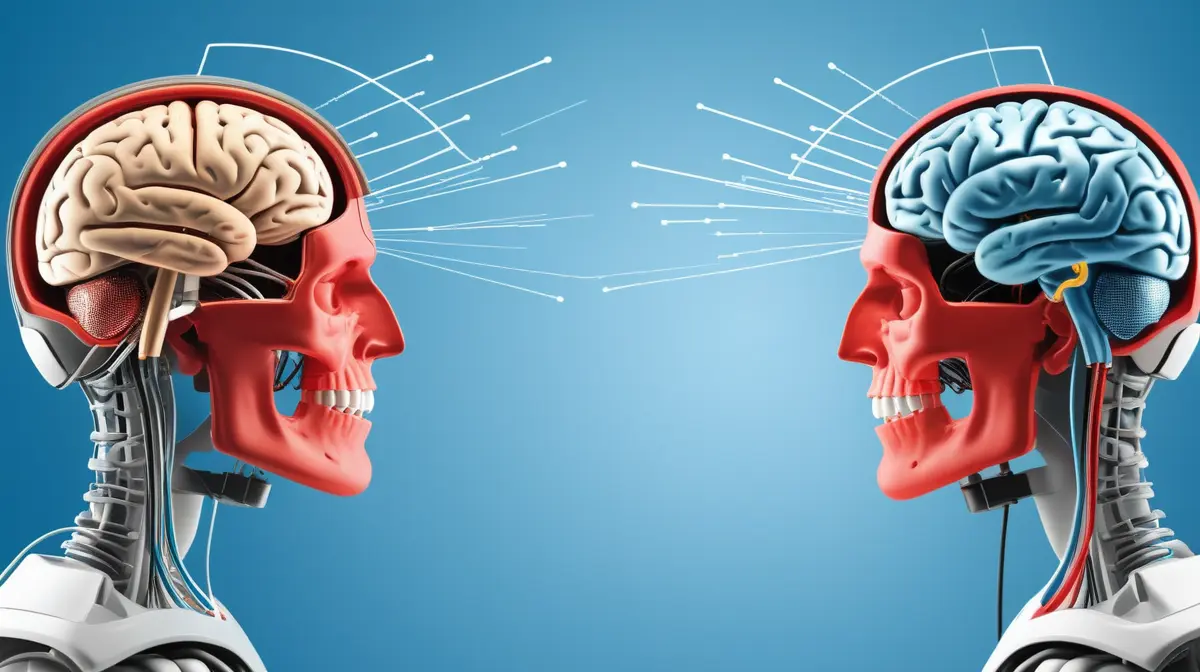
Brain-to-brain systems are often framed as engineering devices, but language researchers understand ambiguity, repair, turn-taking, and shared context. If engineers ignore that, they may build channels that move signals but fail at communication. A simple example is sarcasm. A word-by-word channel may miss tone; a neural channel may miss social intent. Real communication systems need feedback, correction, and context. That is language design, not just signal processing.
For linguists, neuroscientists, tech early adopters, the practical test is whether the system can be specified, audited, and challenged. A useful deployment should make the role of Neural telepathy visible enough that people can understand what is being inferred, what is being automated, and where a human decision still enters the loop. That standard matters because early systems often look impressive in demos while hiding messy assumptions about data quality, incentives, edge cases, and who is responsible when the output is wrong.
What the next decade probably brings
Expect better assistive communication, more AI-supported decoding, improved neural interfaces, and small experiments in shared control. Do not expect universal silent conversation. The more credible future is one where speech, text, gesture, and neural signals become layered channels. Neural telepathy may become a niche interface for high-value tasks and accessibility, while language remains the main operating system of human coordination.
For linguists, neuroscientists, tech early adopters, the practical test is whether the system can be specified, audited, and challenged. A useful deployment should make the role of Neural telepathy visible enough that people can understand what is being inferred, what is being automated, and where a human decision still enters the loop. That standard matters because early systems often look impressive in demos while hiding messy assumptions about data quality, incentives, edge cases, and who is responsible when the output is wrong.
Final Thoughts
The strongest way to read this topic is as an engineering and governance question, not a prophecy. Neural telepathy points to a real direction of travel, but the important work is in constraints, evidence, security, and human oversight.
For linguists, neuroscientists, tech early adopters, the practical takeaway is to track the stack behind the headline: sensors, models, interfaces, standards, incentives, and accountability. The future will not arrive as one clean breakthrough. It will arrive as smaller systems that become capable enough to change how people design, communicate, store, govern, or protect information.