
Bio-Sourced Servers: Are DNA-Based Data Centers the Future of Storage? sounds dramatic, but the useful version is practical. The reader payoff is simple: this article explains what DNA data storage means, where the technology is credible, where the speculation starts, and what decisions engineers, buyers, and policy-minded readers should watch next. The goal is not to make the future sound inevitable. It is to separate technical direction from hype so the risks and opportunities are easier to evaluate.
Why DNA storage keeps coming back
Data centers are under pressure from three directions: more data, higher energy demand, and long-term archive costs. DNA data storage is attractive because DNA is dense, durable, and does not require constant electrical power just to sit on a shelf. That does not make it a magic hard drive. It makes it a candidate for a specific layer of the storage hierarchy. The serious question is whether molecular data can become practical for archives that are rarely written and rarely read.
For sustainability experts, data engineers, bio-hackers, the practical test is whether the system can be specified, audited, and challenged. A useful deployment should make the role of DNA data storage visible enough that people can understand what is being inferred, what is being automated, and where a human decision still enters the loop. That standard matters because early systems often look impressive in demos while hiding messy assumptions about data quality, incentives, edge cases, and who is responsible when the output is wrong.
How DNA data storage works in plain terms
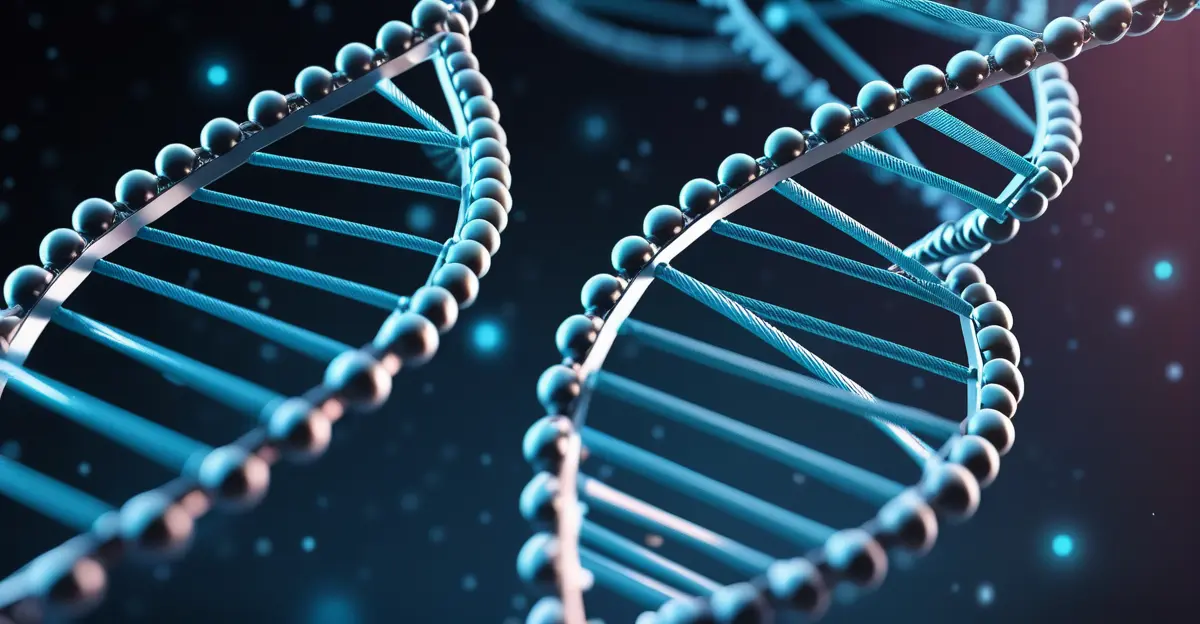
Digital files are encoded into sequences of A, C, G, and T, the four bases of DNA. Those sequences are synthesized as molecules, stored physically, and later read back using sequencing. Software handles indexing, error correction, and reconstruction. A comparison helps. A hard drive stores bits as magnetic or electrical states. DNA stores information as chemistry. The computer still needs digital encoding around it, but the storage medium itself is molecular.
For sustainability experts, data engineers, bio-hackers, the practical test is whether the system can be specified, audited, and challenged. A useful deployment should make the role of DNA data storage visible enough that people can understand what is being inferred, what is being automated, and where a human decision still enters the loop. That standard matters because early systems often look impressive in demos while hiding messy assumptions about data quality, incentives, edge cases, and who is responsible when the output is wrong.
Why this is not a future SSD
The biggest misunderstanding is speed. DNA storage is not designed for low-latency workloads, live databases, or video streaming. Writing DNA is still too slow and expensive compared with electronic storage, and reading it requires sequencing workflows. That means DNA is better compared with tape or deep cold archives than with NVMe drives. If a hospital, museum, government, or cloud provider needs to preserve data for decades, DNA becomes more interesting. For everyday compute, silicon still wins.
For sustainability experts, data engineers, bio-hackers, the practical test is whether the system can be specified, audited, and challenged. A useful deployment should make the role of DNA data storage visible enough that people can understand what is being inferred, what is being automated, and where a human decision still enters the loop. That standard matters because early systems often look impressive in demos while hiding messy assumptions about data quality, incentives, edge cases, and who is responsible when the output is wrong.
The green-tech argument is real but incomplete
DNA can preserve dense information without continuous power, which is attractive for sustainability. But the full environmental story includes synthesis chemistry, sequencing equipment, reagents, supply chains, and facility operations. A practical comparison helps. An electric vehicle is not automatically clean unless the battery, grid, and lifecycle are considered. DNA storage needs the same discipline. It may become greener for long-lived archives, but that depends on the whole system, not the molecule alone.
For sustainability experts, data engineers, bio-hackers, the practical test is whether the system can be specified, audited, and challenged. A useful deployment should make the role of DNA data storage visible enough that people can understand what is being inferred, what is being automated, and where a human decision still enters the loop. That standard matters because early systems often look impressive in demos while hiding messy assumptions about data quality, incentives, edge cases, and who is responsible when the output is wrong.
Enzymatic writing could change the economics
Traditional DNA synthesis can be expensive and chemically intensive. Enzymatic approaches aim to write DNA under milder conditions and could reduce some sustainability and scaling barriers. Recent chemistry and industry work focuses on making writing cheaper, faster, and more reliable. That matters because storage is only useful at scale if writing costs fall dramatically. A technology that stores petabytes elegantly but costs too much to write remains a lab achievement, not a data-center product.
For sustainability experts, data engineers, bio-hackers, the practical test is whether the system can be specified, audited, and challenged. A useful deployment should make the role of DNA data storage visible enough that people can understand what is being inferred, what is being automated, and where a human decision still enters the loop. That standard matters because early systems often look impressive in demos while hiding messy assumptions about data quality, incentives, edge cases, and who is responsible when the output is wrong.
Random access is harder in molecules
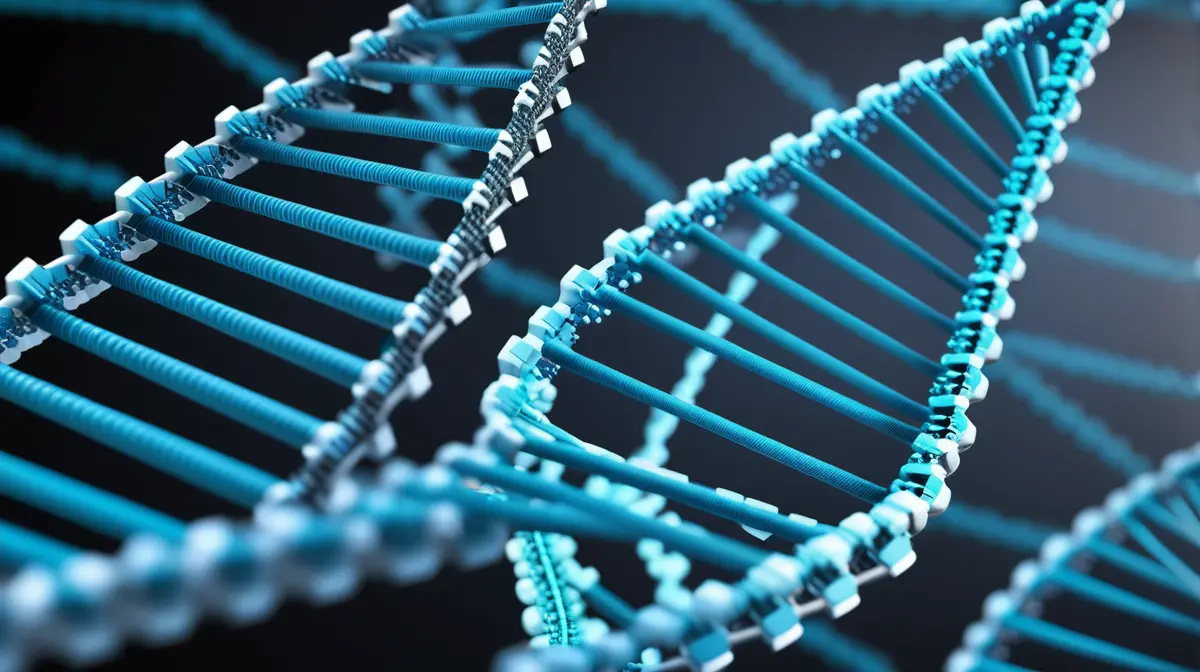
Data centers need to retrieve exactly the right file without reading everything. DNA systems use indexing, primers, pools, and error-correction schemes to support random access, but this remains more complex than asking a file system for a block. A comparison helps. Finding a book in a library is easy if shelves, labels, and catalog records are reliable. DNA storage needs the molecular version of that library system. Without it, density alone does not solve operational complexity.
For sustainability experts, data engineers, bio-hackers, the practical test is whether the system can be specified, audited, and challenged. A useful deployment should make the role of DNA data storage visible enough that people can understand what is being inferred, what is being automated, and where a human decision still enters the loop. That standard matters because early systems often look impressive in demos while hiding messy assumptions about data quality, incentives, edge cases, and who is responsible when the output is wrong.
Where bio-sourced servers might appear first
The first realistic uses are compliance archives, cultural preservation, scientific records, and long-term backups. These are workloads where read latency is less important than durability, density, and longevity. A cloud provider might eventually offer DNA-backed archival storage behind a normal API, so customers never handle molecules directly. That is the practical version of a bio-sourced server: not a wet computer room, but a molecular cold-storage layer inside a broader cloud architecture.
For sustainability experts, data engineers, bio-hackers, the practical test is whether the system can be specified, audited, and challenged. A useful deployment should make the role of DNA data storage visible enough that people can understand what is being inferred, what is being automated, and where a human decision still enters the loop. That standard matters because early systems often look impressive in demos while hiding messy assumptions about data quality, incentives, edge cases, and who is responsible when the output is wrong.
Security and integrity still matter
DNA storage does not remove the need for encryption, access control, checksums, and audit trails. It may actually introduce new controls because the medium can be physically moved, copied, or sequenced. Data engineers should think of DNA as another storage substrate with unusual failure modes. Molecules can degrade, samples can be contaminated, and retrieval pipelines can introduce errors. Strong encoding and verification are not optional.
For sustainability experts, data engineers, bio-hackers, the practical test is whether the system can be specified, audited, and challenged. A useful deployment should make the role of DNA data storage visible enough that people can understand what is being inferred, what is being automated, and where a human decision still enters the loop. That standard matters because early systems often look impressive in demos while hiding messy assumptions about data quality, incentives, edge cases, and who is responsible when the output is wrong.
What needs to happen before adoption
Three things matter most: cheaper writing, reliable automated read workflows, and clear standards. The DNA Data Storage Alliance and related industry efforts are important because data centers do not adopt exotic media without interoperability and lifecycle planning. The likely future is incremental. DNA storage may join tape, optical, and emerging archival media as one layer in a larger storage stack.
For sustainability experts, data engineers, bio-hackers, the practical test is whether the system can be specified, audited, and challenged. A useful deployment should make the role of DNA data storage visible enough that people can understand what is being inferred, what is being automated, and where a human decision still enters the loop. That standard matters because early systems often look impressive in demos while hiding messy assumptions about data quality, incentives, edge cases, and who is responsible when the output is wrong.
Final Thoughts
The strongest way to read this topic is as an engineering and governance question, not a prophecy. DNA data storage points to a real direction of travel, but the important work is in constraints, evidence, security, and human oversight.
For sustainability experts, data engineers, bio-hackers, the practical takeaway is to track the stack behind the headline: sensors, models, interfaces, standards, incentives, and accountability. The future will not arrive as one clean breakthrough. It will arrive as smaller systems that become capable enough to change how people design, communicate, store, govern, or protect information.