
The idea is seductive. Why keep pushing air through the throat and mouth if a neural link could send meaning directly from one brain to another? It sounds faster, cleaner, and more advanced. That is why so many people assume that once brain-computer interfaces mature, verbal speech will start to look outdated. The reality is more complicated. Speech is not just a noisy delivery system for information. It is also timing, social signaling, ambiguity management, identity, and emotion. The payoff here is simple: this article explains what speech neuroprostheses can already do, why silent communication is not the same as replacing language, and why spoken speech is unlikely to become obsolete by 2040.
For the wider trend, read how technology is reshaping human intelligence.
Why speech does more than move information
People often talk about speech as if it were a primitive communication pipe waiting to be upgraded. That view misses what speech actually does.
Spoken language carries more than semantic content. Tone changes meaning. Pauses show uncertainty. Accent marks identity. Timing manages turn-taking. Even misunderstandings are part of how conversation works, because human communication is often about adjustment rather than perfect transmission.
A comparison helps. Email can move information more efficiently than conversation in many situations, but meetings, phone calls, and in-person talk still exist because communication is not just about transferring data. It is also about reassurance, coordination, hierarchy, intimacy, and trust.
That is why a future telepathic BCI would not automatically erase speech. Even if neural links become excellent for some forms of communication, people will still need formats that are public, shared, expressive, and easy to audit in social settings.
What speech neuroprostheses can already do
This is where the topic becomes real instead of speculative.
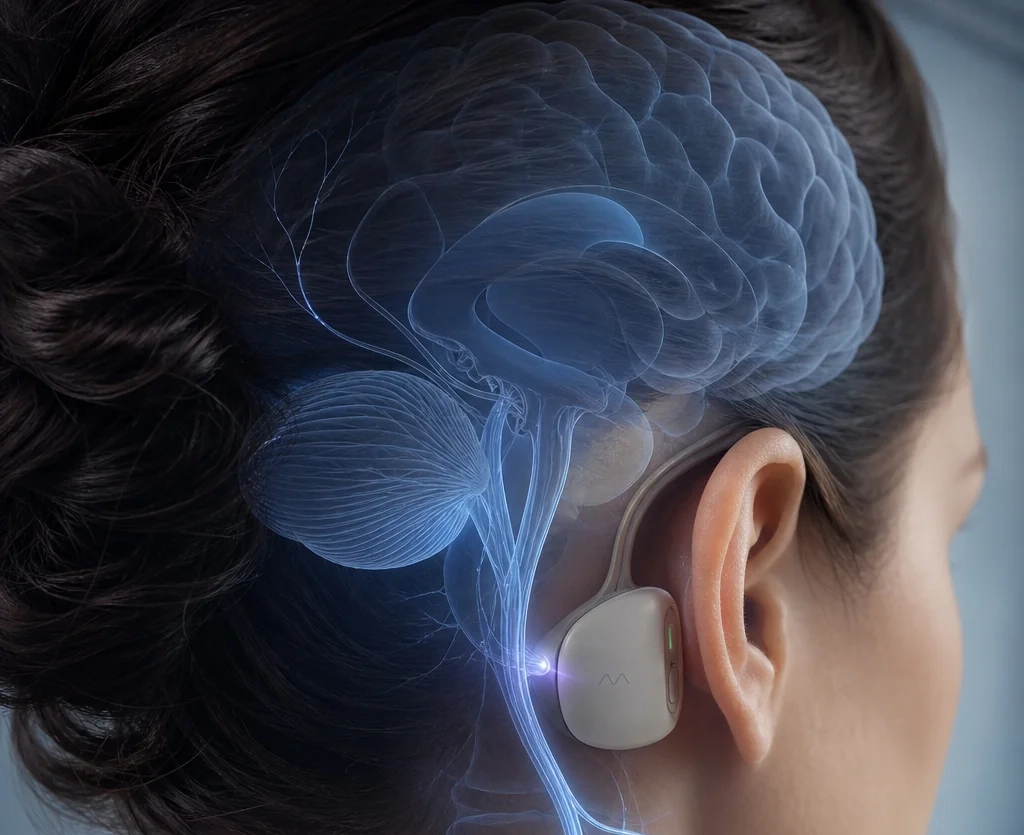
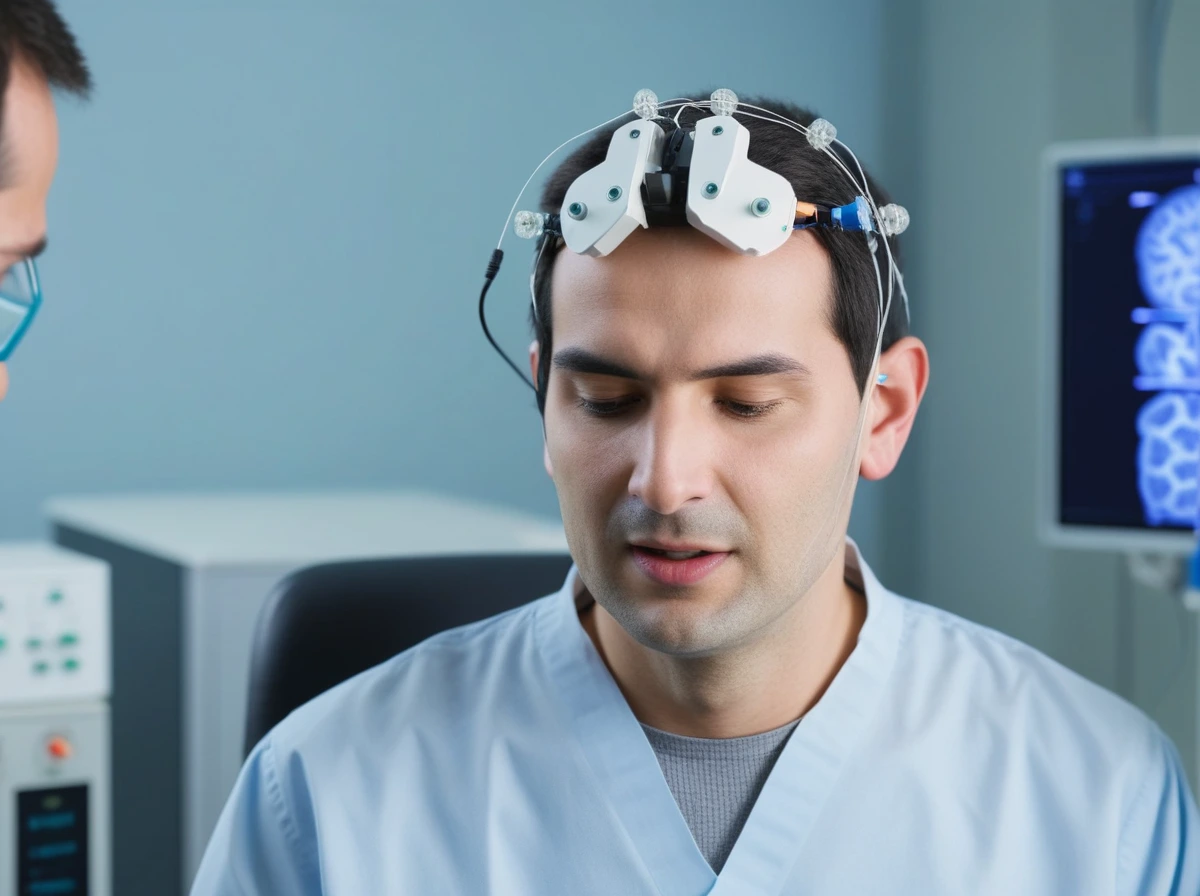
Speech neuroprosthesis research has made major progress in decoding intended speech or speech-related motor signals from the brain to restore communication for people who cannot speak naturally. Reviews of the field show fast advances in turning cortical activity into text or synthesized speech, especially for severe paralysis and other major impairments (Nature Reviews Neuroscience).
That matters because it proves something important: neural links can support communication without relying on intact speech muscles. For people who have lost speech, this is not a futuristic luxury. It is a route back to expression.
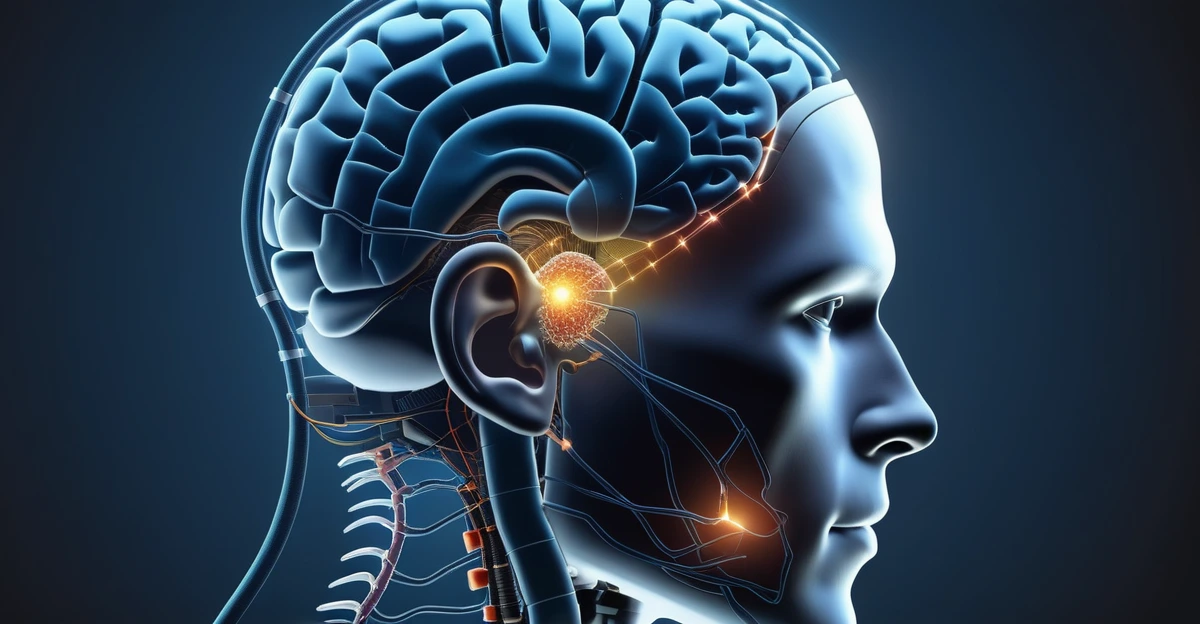
Another concrete example is electrocorticography-based speech decoding, where researchers map signals linked to intended speech and use machine learning to reconstruct text or synthetic voice output (Nature Reviews Electrical Engineering). That is impressive progress, but it is still not the same as direct mind-to-mind meaning transfer.
The practical point is this: the strongest current use case is speech restoration, not speech abolition.
Why silent communication is not the same as replacing language
The phrase silent communication sounds as if speech has already been bypassed. Usually it has not.
In many BCI systems, the device is still decoding signals that are tightly related to attempted speech, imagined articulation, or communication intent. In other words, the user is not transmitting a pure packet of abstract meaning. They are often still working through language-like structure, even if it never reaches the lips.
That distinction matters because language is not only sound. It is grammar, conceptual framing, emphasis, and sequence. A post-verbal communication system would have to replace far more than spoken output. It would have to offer a stable way to organize meaning, disambiguate intent, and negotiate misunderstanding.
A plain comparison makes the point clearer. Switching from a phone call to text message changes the medium but not the underlying need for language. A neural interface may eventually change the medium again, but that does not mean language itself disappears.
Why spoken speech is hard to replace in ordinary life
Speech survives because it is cheap, public, portable, and social.
You do not need surgery, batteries, calibration, or network uptime to talk. Speech works in groups. It works around children. It works in public argument, private comfort, sales, teaching, flirting, and conflict. It leaves room for nuance while still being legible to everyone nearby.
A neural link would struggle to replace all of that by 2040. Even if the interface became highly capable, mass adoption would still run into cost, privacy concerns, medical constraints, social norms, and governance problems. WHO’s neurotechnology landscape report is useful here because it reminds readers that adoption in health settings remains limited and challenging even before society-wide use is considered (WHO).
The FDA’s implanted BCI guidance points in the same direction from a regulatory angle. These devices are not lifestyle gadgets yet. They are serious medical technologies with testing and safety requirements (FDA).
Where neural links could change communication first
The near-term story is not speech disappearing. It is communication widening.
The strongest first wave is likely to involve people with paralysis, severe motor impairment, or speech loss. For them, a speech neuroprosthesis can restore something deeply human: the ability to communicate quickly and personally.
A second wave could involve silent control or messaging in niche environments. High-noise workplaces, assistive systems, tactical settings, and specialist interfaces may adopt more silent communication tools.
A third wave could involve hybrid communication, where speech remains visible but is supported by predictive or neural tools. For example, a system might help complete intended phrases, speed up text entry, or translate internal intent into clearer output.
That is a very different future from a post-verbal era. It is closer to communication layering than communication replacement.
Why language is more durable than any one medium
It also helps to separate speech from language.
Speech is one way humans externalize language. Writing is another. Sign language is another. Texting, subtitles, AAC systems, and symbolic interfaces all prove the same point: language survives medium shifts because it organizes meaning, not just sound.
That matters for the 2040 question. Even if neural links become much better, they would still need to carry sequence, emphasis, uncertainty, irony, and social stance. Those are language functions, not just transmission functions.
A comparison helps. Video did not make books obsolete. Search engines did not make conversation obsolete. New media usually specialize first, then settle into coexistence with older forms. Neural interfaces are likely to follow that same pattern.

The ethical and social reasons speech will survive
Even if neural links became technically powerful, people would still ask hard questions.
Who gets access? Who stores the signal? What counts as consent in a brain-linked conversation? What happens when a model infers more than the user intended to communicate?
UNESCO’s neurotechnology ethics work puts mental privacy, freedom of thought, and personal identity near the center of the discussion (UNESCO). Those concerns matter because a speech-like technology can be socially regulated. A neural communication system reaches much closer to intention itself.
That is one reason spoken language may remain attractive even in an advanced interface era. Speech is imperfect, but it is also visible and shared. A spoken sentence usually leaves a public trace in the room. Neural exchange may feel faster, but it also raises deeper questions about what was intended, what was inferred, and what was private.
There is also a fairness issue. A society that moved too quickly toward neural communication could split into those who can afford invasive or high-performance systems and those who cannot. That alone is a reason ordinary speech retains value. It remains a low-cost common language for public life.
What 2040 probably looks like
By 2040, neural links could become much more useful for communication than they are now. That seems plausible. A world in which verbal speech is obsolete does not.
A more realistic picture is this:
- speech neuroprostheses become far better for people with medical need
- silent communication expands in selected niches
- everyday speech remains dominant for most social and public life
- language itself persists even as new interfaces appear around it
That future may still feel revolutionary. But it will look more like the expansion of communication choices than the death of spoken words.
One last practical point matters here. Public life rewards communicative formats that many people can witness at once. Spoken speech remains one of the simplest ways to do that. Even an excellent neural link does not automatically solve the problem of shared visibility in classrooms, families, workplaces, and politics.
That is another reason verbal speech has staying power. It scales socially with very little infrastructure. Even major technical progress in neural links would have to compete with a communication tool that is already fast, cheap, embodied, and widely understood.
Final Thoughts
Neural links are likely to change communication in important ways, especially for people who have lost access to speech. That alone is enough to make the field transformative. But turning that into a claim that verbal speech will be obsolete by 2040 confuses one breakthrough with a full social replacement.
Speech is more than a transport layer for ideas. It is a human coordination tool, an identity signal, and a deeply social medium. Neural communication may become a new layer on top of it. It may even outperform speech in a few specialized settings. But for ordinary human life, the future probably looks bilingual in the broadest sense: old language stays, new interfaces arrive, and communication becomes more varied rather than less verbal.