
If you have lost taste or smell, the promise of a neural chip sounds almost too good to be real. In a narrow sense, it is real. Researchers are building interfaces that can measure tongue signals, stimulate taste-like responses, and explore where an olfactory implant might one day restore smell. But the important word is “might.” This is not a finished consumer product, and it is not a magic replacement for natural sensation.
The useful way to think about the field is this: taste restoration is moving faster because the tongue is easier to interface with, while smell restoration is harder because olfaction is more distributed and anatomically complex. Both are active research areas. Neither one is ready to fully recreate the sensory experience of eating fresh food or smelling rain.
What neural sensory repair actually means
Neural sensory repair is a broad phrase, but the problem it describes is specific: can we restore a missing sensory channel by measuring, stimulating, or bypassing damaged nerves and pathways?
Taste, smell, and flavor are not the same thing. Taste is the basic chemical sensation detected by receptors in the mouth and tongue: sweet, sour, salty, bitter, and umami. Smell is the detection of airborne molecules through the olfactory system. Flavor is the combined experience of taste, smell, texture, temperature, and even expectation.
That matters because restoring taste alone does not restore full flavor. A person who gets taste signals back may still miss the aroma that makes coffee, citrus, or roasted food feel complete.
The field therefore includes different kinds of tools. Some systems are measurement devices. Some are stimulation devices. Some are prosthesis concepts. The closer a device gets to actually restoring perception, the more difficult the engineering becomes.
Why taste is the nearer-term target
Taste is easier to work with because the tongue is accessible, the signals are more local, and researchers can stimulate or record from the surface more directly.
Recent work has made that progress visible. A study on a gustatory interface for operative assessment and taste decoding in patients with tongue cancer showed that tongue electrical activity can be used to decode gustatory information (gustatory interface for operative assessment and taste decoding). That is important because it shows the tongue is not just a passive surface. It is a signal source.
An earlier study introduced E-Taste, a system using tongue electrical and thermal stimulation to create taste sensations (E-Taste). That kind of work does not yet equal natural eating, but it shows that artificial taste cues can be generated in a controlled environment.
Another paper described an automated system for evaluating human gustatory sensitivity using tongue biopotential recordings (automated system for human gustatory sensitivity). In plain language, that means researchers can record the tongue’s electrical behavior and classify response patterns.
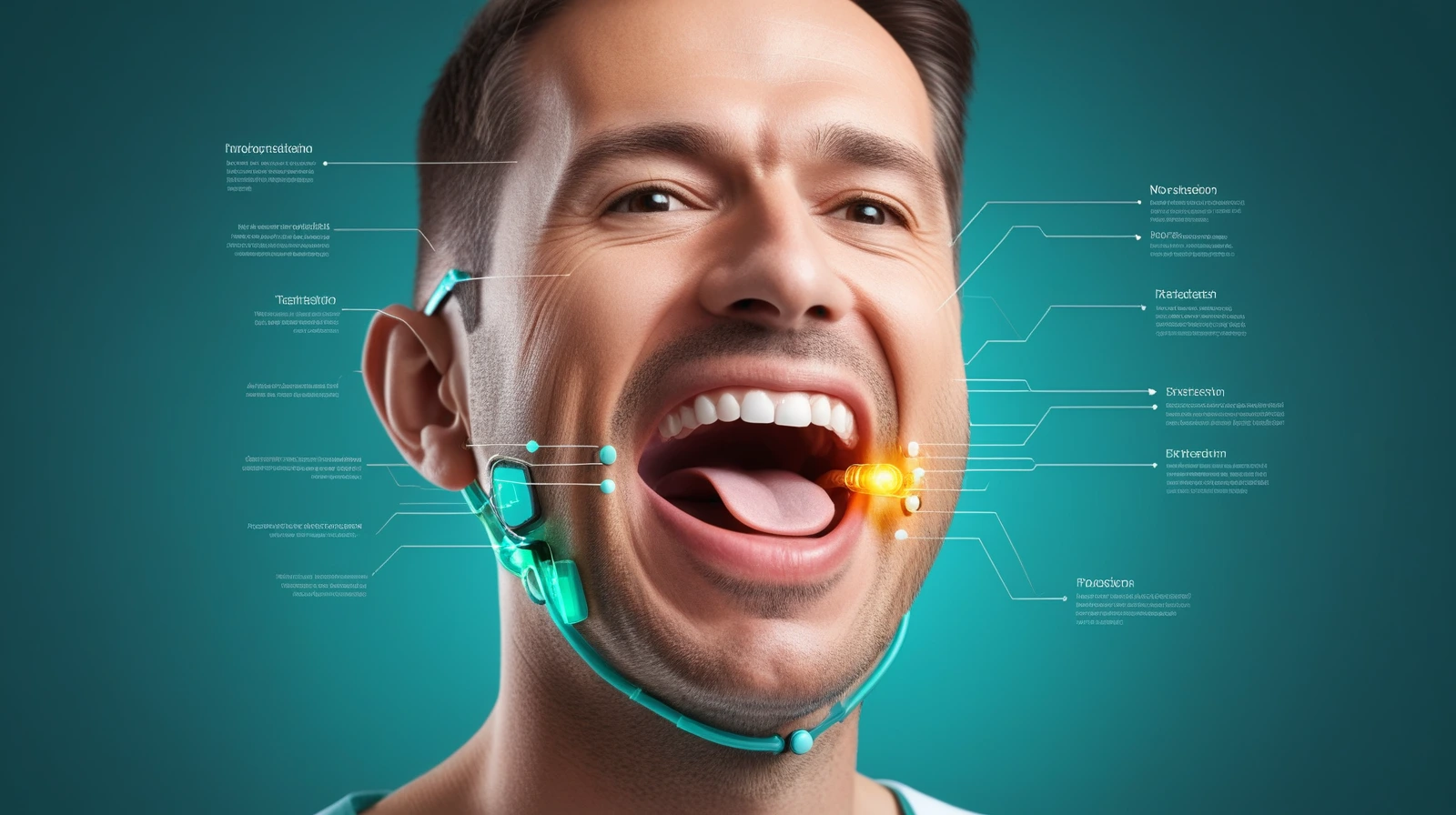
The practical comparison is straightforward. A taste interface can send or measure signals at the tongue. A meal gives you a layered, multisensory experience that includes smell, texture, temperature, and memory. A chip can move the first problem forward. It does not solve the second one yet.
There is also a caution worth stating plainly: electrically evoked taste is not exactly the same as chemical taste. A direct comparison study of electrical and chemical taste stimuli found that the sensations differ (A direct comparison of the taste of electrical and chemical stimuli). That means a taste prosthesis may help restore perception, but it will likely feel artificial at first and may not perfectly match ordinary food taste.
Why smell is harder to restore
Smell is a tougher engineering problem because the olfactory system is less tidy than the tongue. Odor perception is built from patterns across receptors, pathways, and brain regions. That makes the code harder to read and harder to reproduce.
The strongest current work is cautious rather than dramatic. An international opinion paper on olfactory implants makes clear that the field is still emerging and that clinical application is not straightforward (olfactory implants: emerging technologies and clinical applications). Another paper asks the more direct question, “Where to stimulate?” and points to the olfactory bulb as a promising target, but still within an experimental framework (Olfactory Implants to Restore Smell: Where to Stimulate?).
That target selection problem is not a small detail. If you stimulate the wrong part of the pathway, you may get noise instead of smell. If you stimulate too broadly, you may not get a stable percept. If you stimulate too narrowly, you may only get fragments or misleading sensations.
There is some useful physiology behind the work. An intraoperative monitoring feasibility study showed that olfactory function can be measured with evoked potentials during surgery (Intraoperative monitoring of olfactory function). That helps researchers verify that the pathway responds, but it does not mean a person can smell normally through an implant.
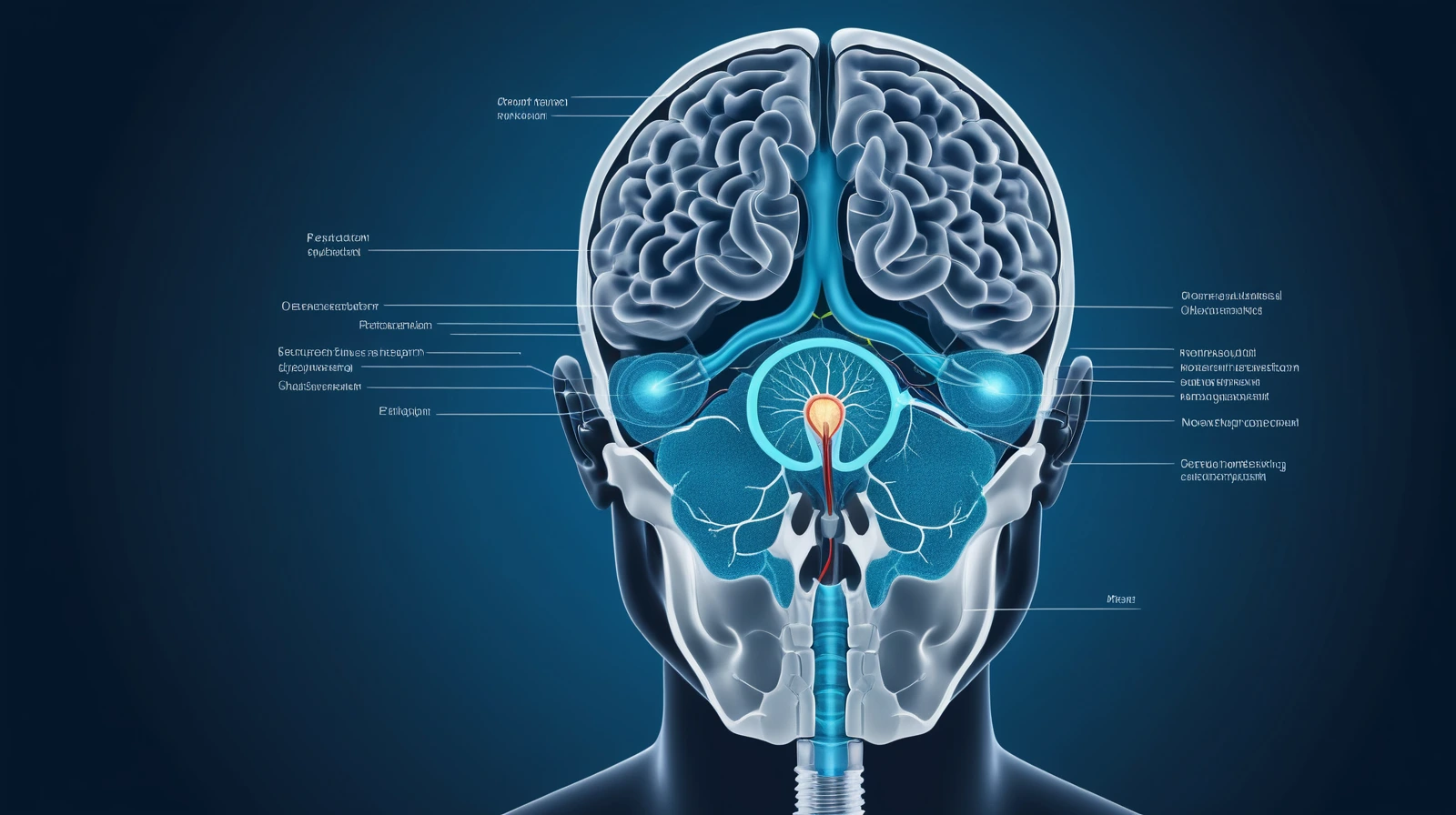
The clean comparison is this:
- Taste interfaces can often work with a relatively local surface and a more accessible signal.
- Smell restoration has to deal with a distributed, harder-to-map code.
That is why smell implants are later and more uncertain than taste interfaces.
What today’s experiments actually show
The current evidence is strong enough to be interesting and weak enough to keep the hype in check.
On the taste side, researchers can now do more than simple stimulation. They can record tongue biopotentials, analyze gustatory response, and use those patterns in operative settings or prototype interfaces. On the smell side, researchers can monitor olfactory function, evaluate implant targets, and argue about where stimulation might be most useful. But these are still steps toward restoration, not the finish line.
What makes the work meaningful is that it is becoming measurable. If you can record a response, you can start to design a better interface. If you can stimulate a response, you can start to test whether the percept improves. That is a real engineering loop.
But the loop is not closed yet. A lab result does not equal a clinical device. A clinical concept does not equal a consumer product. And a consumer product is still far away.
One of the clearest themes across the literature is that the field is moving from observation to partial control. That is progress, but it is not full restoration.
Who might benefit first
The first people likely to benefit are patients with clear sensory loss, not healthy consumers looking for upgrade gadgets.
That includes some head and neck cancer patients, especially where surgery or treatment has affected tongue structure or gustatory pathways. It also includes patients with smell loss after surgery, trauma, or disease, where the olfactory system may be partially damaged rather than completely absent.
This is where neural sensory repair becomes a medical topic rather than a futurist one. The goal is not enhancement. The goal is to recover function that was lost.
That matters because clinical priorities are different from consumer desires. A patient needs safety, durability, and measurable improvement. A consumer demo can tolerate novelty. A medical device cannot.
The likely first wins will be partial. A taste interface may help distinguish one class of flavor from another. A smell implant may help detect broad odor categories or environmental cues. Those are useful gains. They are still not the same as fully natural sensation.
What this does not solve yet
The biggest limitation is that sensory experience is more than a signal.
For taste, flavor includes smell, texture, temperature, and context. For smell, perception includes memory, intensity, and a rich set of overlapping odor qualities. A chip can stimulate a pathway, but it does not instantly rebuild the whole experience.
Safety is another unresolved issue. Any implant or interface has to be durable, stable, and safe over time. That is especially important if a device sits in a sensitive area like the tongue, nose, or nearby neural pathways.
There is also the question of realism. Electrochemical stimulation may create taste-like or smell-like cues, but those cues may not feel exactly like natural sensations. That is not failure. It is the normal state of an early interface field.

So the honest summary is this: neural chips can help restore parts of taste and smell, but they do not yet recreate the full lived experience of flavor or odor.
Final Thoughts
Neural sensory repair is real, but it is still uneven across the senses. Taste is closer to practical interfaces because the tongue is more accessible and easier to measure. Smell is harder because the olfactory code is distributed and the best implant targets are still being debated.
That does not make the field speculative in a bad way. It makes it a genuine engineering problem with real clinical value. The next useful step is not to promise perfect replacement. It is to keep improving partial restoration until the experience is good enough to matter in daily life.
If you want the shortest honest summary, it is this: chips may help restore taste and smell, but natural sensation is still ahead of the hardware.