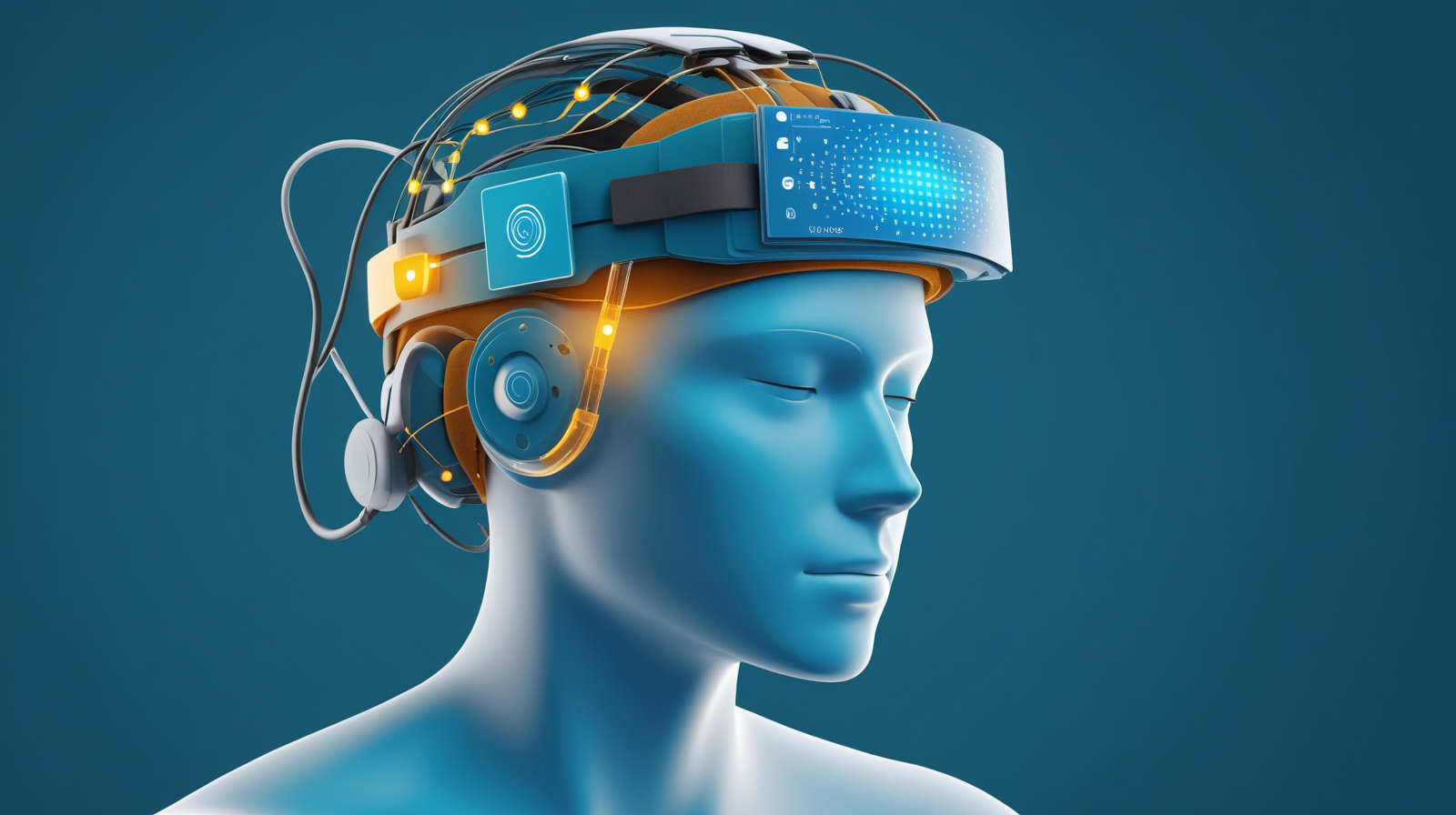

The urge to think faster, focus longer, and remember more is not new. But the menu of ways to chase it has grown strange. On one end sit pills and supplements. In the middle, training systems that let you watch your own brainwaves. On the far end, actual brain-computer interfaces. Nootropics, neurofeedback, and focus BCIs all promise a sharper mind, and they could hardly work more differently.
The quick version: nootropics try to boost cognition chemically, neurofeedback trains your brain by showing it real-time feedback, and focus-oriented BCIs read neural signals directly. The evidence is strongest for parts of the first two; consumer BCIs remain early and largely unproven.
Three approaches, compared
| Nootropics | Neurofeedback | BCIs | |
|---|---|---|---|
| Mechanism | Chemical | Self-training | Reads neural signals |
| Evidence | Mixed | Moderate | Early |
| Invasive? | No | No | Sometimes |
Nootropics: the chemical route
Nootropics, “smart drugs”, are substances taken to enhance cognition, ranging from everyday caffeine and L-theanine to prescription stimulants and a long tail of supplements with far shakier support. The honest picture is mixed. A few have real, if modest, evidence behind them; many are backed by little more than marketing and hopeful anecdote. The appeal is obvious (take a capsule, skip the effort) but “chemical” also means real considerations around safety, tolerance, and side effects, especially with the stronger compounds. Approach the category with more skepticism than the supplement aisle invites.
Neurofeedback: training your own brainwaves
Neurofeedback takes the opposite philosophy: rather than changing your brain chemistry, it trains your brain to regulate itself. Sensors read your brainwave activity and display it back to you in real time, often as a game or visual, so you can gradually learn to steer your brain toward states associated with calm focus. The evidence here is moderate and promising for certain uses, particularly attention and relaxation, though results vary between people and quality studies are still catching up. It asks for time and repetition rather than a quick fix, which is both its cost and, arguably, the reason its gains can stick. Our look at wearable neurotechnology for focus and memory covers the consumer end of this.
Focus BCIs: reading the signal directly
At the far end sit brain-computer interfaces aimed at focus, devices that read neural activity directly to detect or influence attention. This is the most futuristic option and, right now, the least proven for everyday cognitive enhancement. Serious BCI progress has come in medical restoration, not consumer focus-boosting, and the gap between an impressive research implant and a headband that reliably sharpens your workday is enormous. The potential is real, but so is the marketing hype, and today the honest label is “early.” For the underlying reality of what these devices can do, how brain-computer interfaces read your thoughts is the grounding read.
What actually works: and a caution
If you want the evidence-based version: a couple of well-studied nootropics and consistent neurofeedback have the most support today, while focus BCIs remain a promising frontier rather than a reliable tool. The fundamentals (sleep, exercise, and managing stress) still outperform most gadgets and pills, and chasing constant optimisation can backfire, as we explored in why 24/7 brain optimisation backfires. Enhancement tech is worth watching, but it is a supplement to the basics, not a replacement.
This article is informational and not medical advice; talk to a professional before starting any supplement or intervention.