
If you want the short answer, here it is: 2026 is probably not the year the smartphone dies. It may be the year the next interface starts looking real. Smart glasses are no longer just a science-fiction prop or a lab demo. They are becoming a serious hardware category with clearer use cases, bigger platform backing, and better social design than earlier attempts.
That does not mean your phone is about to disappear. It means computing is starting to move upward, from a device you hold to one you wear. For consumers, reviewers, and early adopters, that shift matters because it changes what “personal computing” may look like over the next few years.
What the post-smartphone era actually means
The phrase post-smartphone era gets used too loosely. It sounds like someone is about to unplug the modern phone and swap in a pair of glasses overnight. That is not how interface shifts usually happen.
The post-smartphone era is more likely to mean this: the phone stops being the only important screen. Instead of pulling a device out of your pocket for every task, you start getting more computing through ambient devices around you. Watches did part of that job. Earbuds did part of it too. Glasses are different because they sit closer to vision, attention, and context.
That matters because glasses can do things a watch cannot. A watch is good for alerts and quick input. Earbuds are good for audio and voice interaction. Glasses can sit at the intersection of seeing, hearing, speaking, and moving through the world. That makes them more central to navigation, translation, memory cues, capture, and lightweight contextual information.
The best comparison is not phone versus glasses. It is desktop to laptop to smartphone. Each step moved computing closer to the user. Smart glasses could be the next step in that pattern: less screen-in-hand, more information layered into daily life.
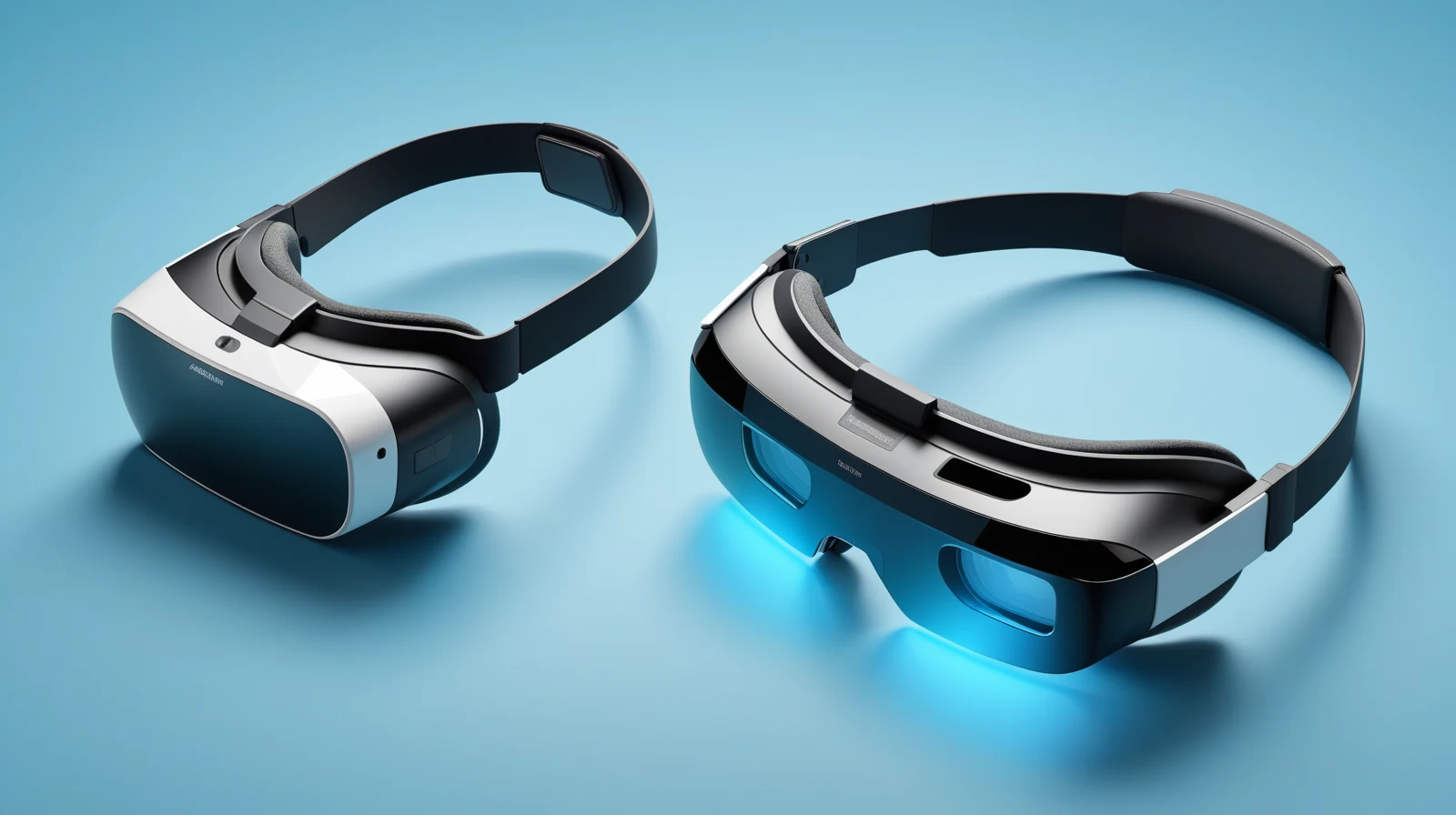
This is also why the category is messy. Some devices are really AI glasses with cameras, microphones, speakers, and no rich display. Some are mixed-reality headsets. Some are true AR glasses that aim to overlay digital information into the real world through see-through optics. If people treat all of that as one product category, the discussion gets sloppy fast.
Why 2026 feels like a turning point
What makes 2026 different is not one single product. It is the number of serious lanes now forming at once.
Apple pushed the idea of spatial computing into mainstream consumer language with Apple Vision Pro. Even if Vision Pro is not an all-day pair of glasses, it matters because it trains both developers and consumers to think beyond flat screens. Apple kept that momentum going with its March 31, 2025 update bringing Apple Intelligence and visionOS 2.4 to Vision Pro. That is important because it shows the device was not just a launch spectacle. Apple is still building the software layer around spatial use.
Meta is taking a different path. Its Ray-Ban Meta glasses are closer to wearable AI and hands-free capture than full augmented reality, but they are real consumer glasses with real distribution. Meta’s April 23, 2025 update expanding Meta AI on Ray-Ban Meta glasses across more of Europe matters because category shifts do not happen through prototypes alone. They happen when normal people can actually buy, wear, and use the device.
Then there is Meta’s longer-term AR direction. In September 2024, Meta introduced Orion, which it described as its first true augmented reality glasses. Orion is not a retail consumer product yet, but it matters because it shows where the company believes wearable computing is heading: transparent lenses, contextual AI, and large digital overlays that break free from the phone screen.
Google is also making the ecosystem case clearer. With Android XR, Google framed headsets and glasses as a new platform rather than a one-off device class. Its 2025 and 2026 updates have made that vision more concrete, including demonstrations of Android XR glasses working with Gemini and newer platform features rolling out in April 2026. That matters because glasses need more than hardware. They need an operating system, developer tools, and partner brands that can make them wearable in public.
Snap is often overlooked, but it should not be. On June 10, 2025, Snap said it planned to launch lightweight, immersive Specs in 2026. Then on April 10, 2026, Snap announced a strategic expansion with Qualcomm to power future generations of Specs. Those signals matter because they show this is no longer just a demo culture project. Companies are still investing at the platform and silicon level.
That is why 2026 feels different. The category now has products, prototypes, ecosystems, developer tools, and public-facing roadmaps all moving at once.
The four lanes shaping the category
The smart-glass revolution is not one revolution. It is four overlapping lanes.
1. Meta and wearable AI glasses
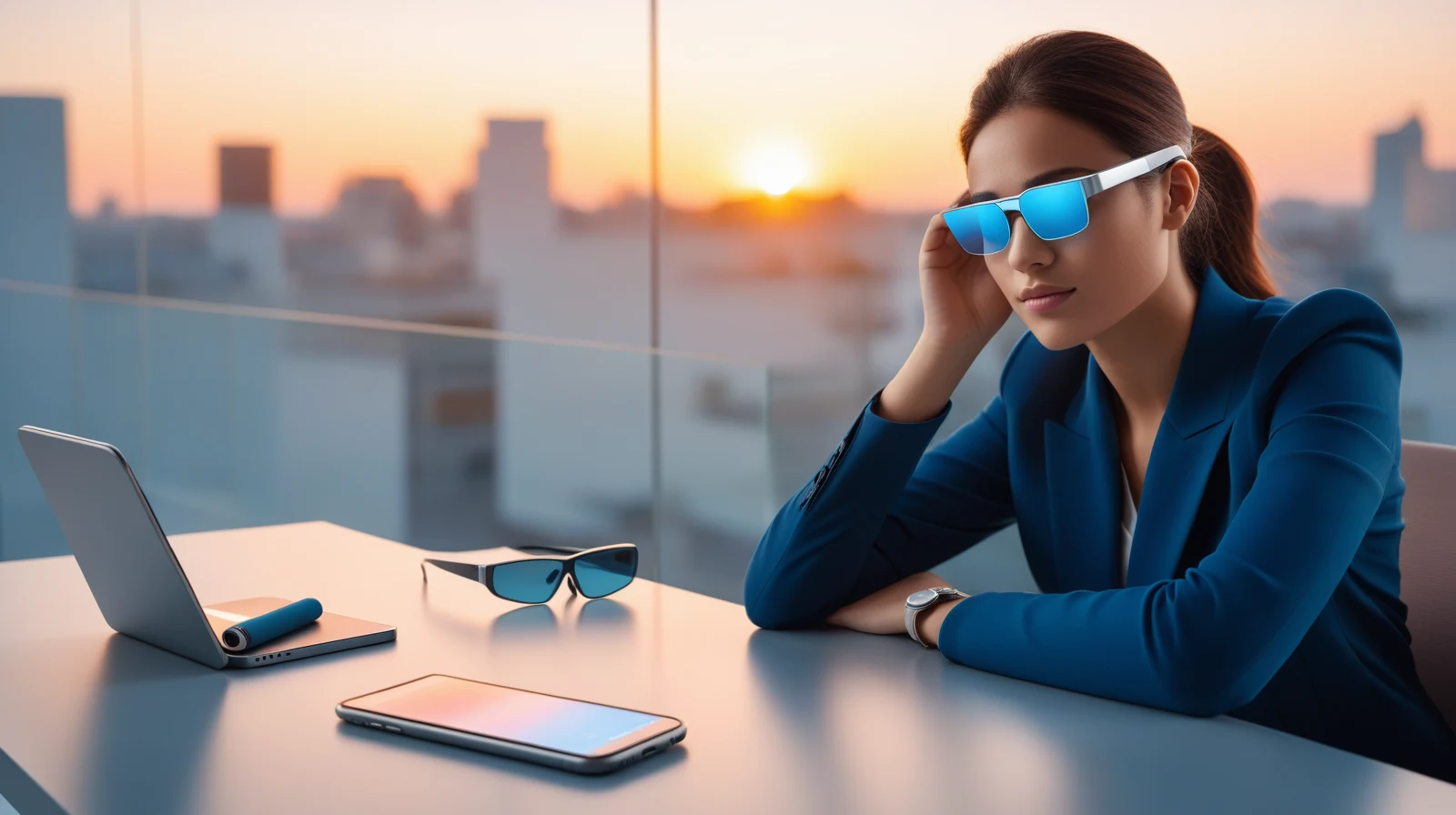
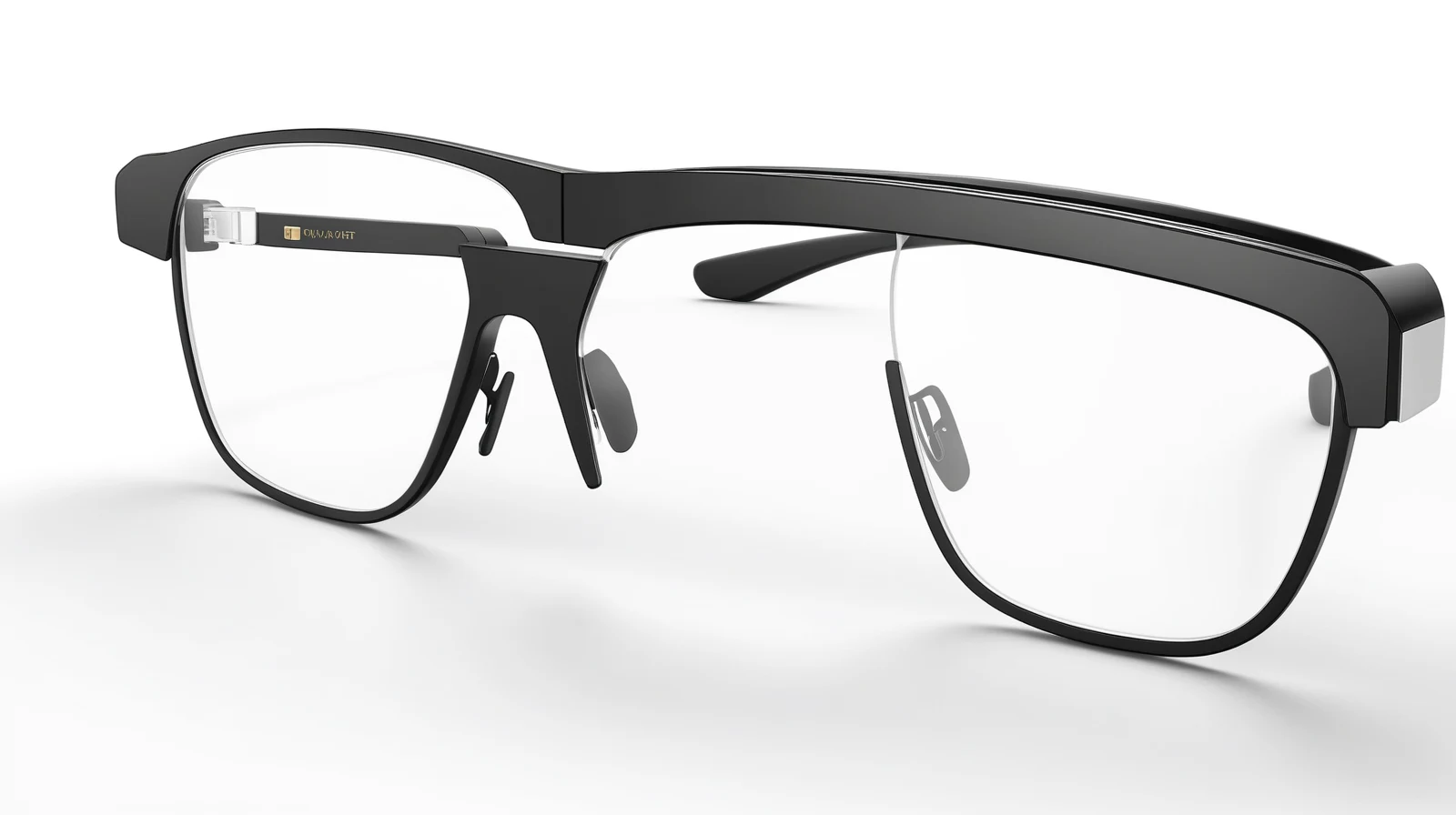
Meta has the clearest argument for mainstream wearability right now. Ray-Ban Meta glasses look like normal eyewear first and a piece of consumer electronics second. That matters more than many people admit. A great wearable can still fail if people do not want to put it on their face in public.
The current Ray-Ban Meta path is less about holograms and more about convenience. Photos, video capture, audio, translation, voice interaction, and AI assistance all become easier when the device is already on your face. This is the practical consumer lane: not fully immersive, but easier to wear every day.
Orion, by contrast, is Meta’s future lane. It points toward real AR with see-through lenses and richer digital overlays. The useful comparison is bicycle versus motorcycle. Ray-Ban Meta shows the category can move. Orion shows where the speed might go later.
2. Apple and spatial computing
Apple’s role is different because Vision Pro is not really smart glasses in the lightweight sense. It is a headset. But dismissing it would miss the larger shift.
Vision Pro matters because it helps normalize spatial interfaces. Apple is effectively teaching developers, media companies, and consumers how software behaves when it is no longer trapped inside a phone screen. Windows become spatial. Media becomes immersive. Apps can sit around the user instead of inside a rectangle.
This is why the phrase Apple Vision Pro future still belongs in the conversation. Even if Apple’s first big move is headset-first rather than glasses-first, it shapes expectations about what post-phone computing feels like.
3. Google and Android XR
Google’s strongest angle is openness and ecosystem scale. Android XR is designed as a platform for both headsets and glasses, which matters because the post-smartphone era will probably not be won by one single device shape.
Google’s public demos have emphasized something simple but important: glasses work best when paired with AI that understands context. If Gemini can see what you see, hear what you hear, and respond at the right moment, the device becomes more useful without demanding constant manual interaction. That is why Android XR glasses demos have focused on navigation, memory help, and hands-free information instead of showing off empty futuristic effects.
Google also seems to understand that style matters. Its partner strategy around eyewear brands is a sign that computing hardware has to clear a fashion test as well as a technical one.
4. Snap and camera-first AR wearables
Snap sits in a lane that mixes social computing, creator tools, and AR. That may sound less serious than the Apple or Google platform story, but it solves a real problem: why would people want glasses on their face for long stretches of time?
Snap’s answer is that glasses can become a creative and shared interface, not just a productivity screen. That gives the category a different emotional hook. Some people will buy glasses to work faster. Others will buy them to capture, explore, and play in a more immersive way.
Why smart glasses still have real limits
This is the point where trend coverage usually gets lazy. It starts sounding as if a few strong demos automatically mean the smartphone is finished. They do not.
Comfort is still a hard limit. A face-worn device has to clear a much higher bar than a phone. If it is heavy, hot, awkward, or visually strange, people will not use it for long. That is one reason Vision Pro has mattered conceptually but has not yet become a mass everyday device. It is powerful, but it is not the same thing as slipping on a normal pair of glasses.
Battery life is another constraint. A wearable with cameras, microphones, displays, sensors, and AI features has a brutal power problem. Consumers do not care how impressive the optics are if the experience falls apart halfway through the afternoon.
Price still matters too. Early categories often attract enthusiasts first, but the post-smartphone era will not begin in a meaningful consumer way until people can afford stylish, comfortable hardware without treating it like a luxury experiment.
Then there is privacy. Smart glasses introduce social friction in a way phones do not. People are used to cameras in hands. They are less comfortable with cameras on faces. That affects design, public trust, and whether wearers feel self-conscious.
Most important, the phone still solves too many jobs too well. It has a mature app ecosystem, a reliable screen, proven battery behavior, and deeply familiar habits around messaging, payments, browsing, and media. Smart glasses do not need to beat the phone at everything to matter. But they do need to be clearly better at some things.
What consumers should expect next
The most realistic next phase is not full replacement. It is companionship.
In the near term, smart glasses will likely work best as a companion layer sitting above the phone. That means quick navigation, translation, capture, reminders, notifications, contextual AI help, and lightweight task support. The phone may stay in your pocket more often, but it will still handle deeper interaction, longer reading, payments, setup, and many app-heavy tasks.
That is not failure. It is how platform shifts often begin. The smartphone itself started as an extension of earlier computing habits before it became central. Glasses may follow the same pattern, first reducing friction, then slowly claiming more of the day.
The strongest early use cases are easy to imagine:
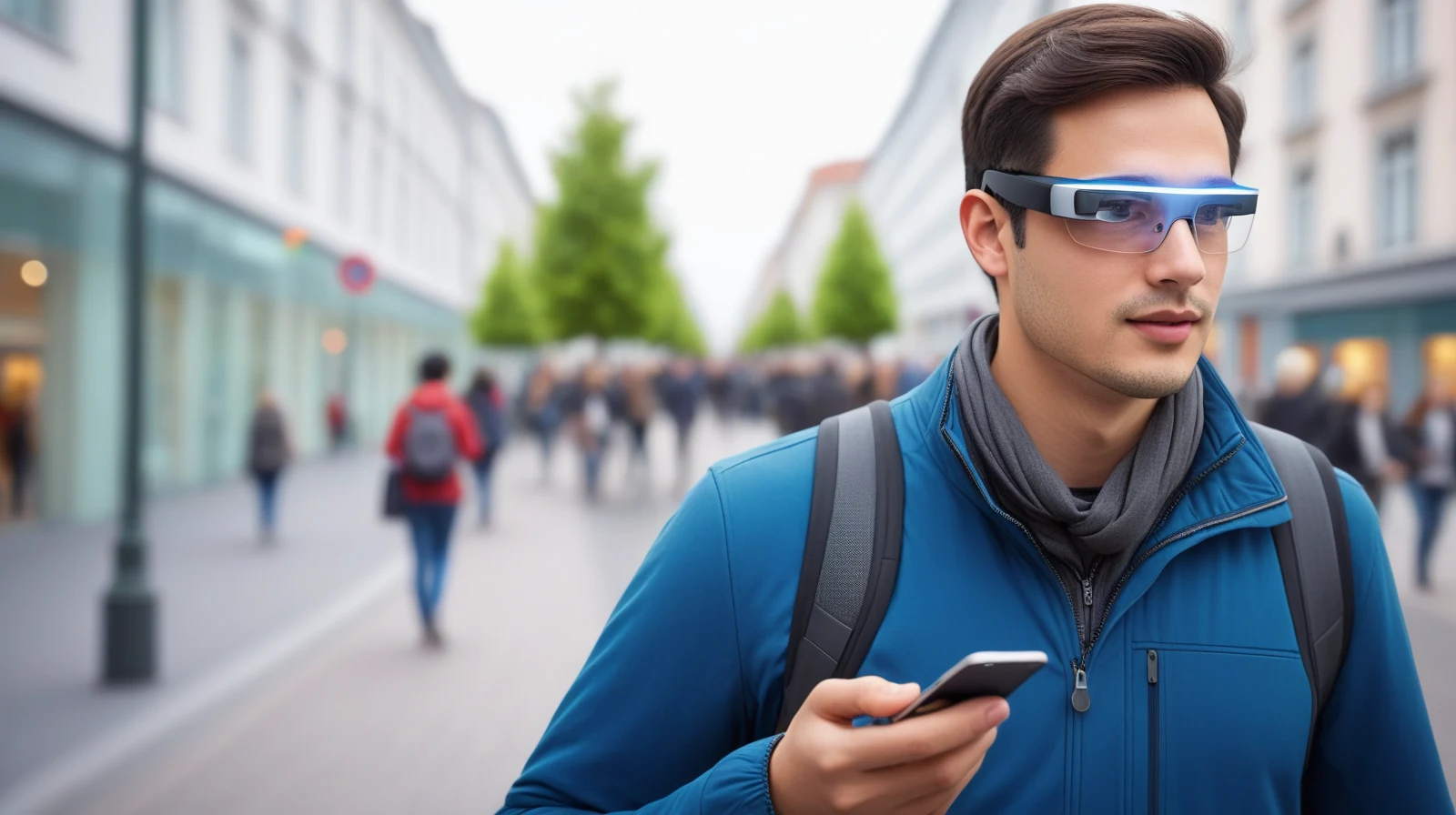
- walking directions without constant phone checking
- real-time translation during travel or conversation
- hands-free photo and video capture
- AI help based on what you are looking at
- quick messages, reminders, or calendar prompts
Those are not glamorous science-fiction scenes. They are exactly the kind of boring, useful moments that make hardware stick.
The phrase holographic displays will keep showing up in marketing and commentary, but consumers should think less about holograms and more about friction. The winning device will not be the one with the flashiest demo. It will be the one people forget they are wearing.
That is also why 2026 may matter more than 2024 or 2025 did. The conversation is shifting from “can this exist?” to “which version of this is actually wearable, useful, and socially acceptable?”
Final Thoughts
The post-smartphone era is probably not arriving as a dramatic device funeral. It is arriving as a slow shift in where computing lives. In 2026, smart glasses finally look less like an awkward side experiment and more like the beginning of a new interface layer.
That matters because the biggest change may not be what disappears, but what becomes less necessary. If glasses can handle navigation, translation, AI help, capture, and quick information in a natural way, the phone does not need to vanish to lose some of its central role. That is how real platform change usually works. Quietly at first, then all at once in hindsight.