

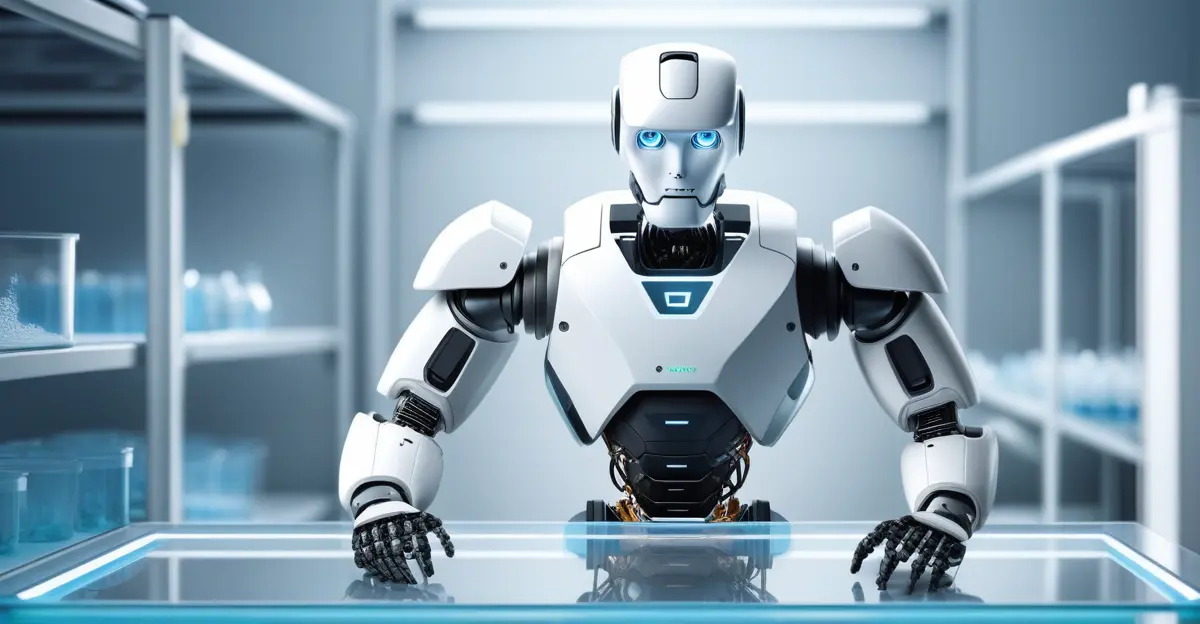
When most people hear the word robot, they picture metal frames, motors, batteries, and factory assembly lines. That image still fits a lot of robotics. But a different branch of the field is becoming harder to ignore. Instead of only machining parts and bolting them together, researchers are starting to combine living cells, engineered tissue, and synthetic structures into machines that move or respond in biological ways. That is why bio-hybrid robots and living machines are showing up more often in serious research. The payoff here is practical: this article explains what bio-robotics actually means, why synthetic biology matters to the field, and where lab-grown components could outperform traditional engineering without replacing it completely.
What bio-robotics actually is
Bio-robotics is a broad label, so it helps to be precise.
In the narrow sense used by many research groups, a bio-hybrid robot combines living tissues or cells with an engineered body. The biological part may provide actuation, sensing, adaptation, or responsiveness. The synthetic part may provide structure, control, confinement, or power interfaces. That is very different from an ordinary industrial robot that just copies the motion of an animal in mechanical form.
A comparison helps. A robotic fish powered by motors and firmware is biomimetic because it imitates biology. A soft device moved by living muscle tissue is bio-hybrid because biology is part of the machine itself. That distinction matters because it changes the engineering problem. You are no longer only designing hardware. You are designing around the constraints of living matter.
This is why the field sits between robotics, tissue engineering, materials science, and synthetic biology. It is not just about making robots softer. It is about making some machine functions emerge from biology itself.
Why engineers are interested in living components
Living tissue has qualities conventional hardware still struggles to match cleanly.
Muscle cells convert chemical energy into motion efficiently at small scales. Biological materials can be soft, compliant, and responsive to local conditions. Some living systems also self-organize or recover in ways rigid devices cannot. For engineers trying to build delicate systems, those are not minor advantages.
A practical comparison helps. A rigid gripper may be strong and predictable, but it can be a poor tool for handling fragile biological material. A soft bio-hybrid system may offer gentler contact and richer environmental response. That does not make it universally better. It makes it useful in a different design space.
This is one reason recent reviews in npj Robotics and Nature Reviews Bioengineering frame bio-hybrid robotics as an emerging complement to soft robotics, not a theatrical replacement for all machines. The interesting question is not whether biology beats engineering. It is which functions are easier to solve when both are combined.
What the research has already shown
This field is not just theory anymore.
Researchers have built muscle-powered walkers, swimmers, grippers, and microscale devices that use living cells as actuators. Reviews in npj Robotics describe tissue-based systems that can crawl, pump, grasp, or move through fluid environments. Nature Reviews Bioengineering has also highlighted neuromuscular bio-hybrid systems that integrate biological actuation with electronics and control frameworks.
A concrete example helps. The widely discussed Xenobots were assembled from frog cells into small living constructs that could move and interact with their environment in structured ways. They were not general-purpose household robots, and calling them that would be misleading. But they did prove an important point: useful machine-like behavior can emerge from living cellular assemblies designed for a task.
That is why lab-grown tech deserves careful attention. The most meaningful step is not that a living machine exists. It is that engineers can begin shaping biological matter toward repeatable functions.
Why medicine and micro-robotics may lead first
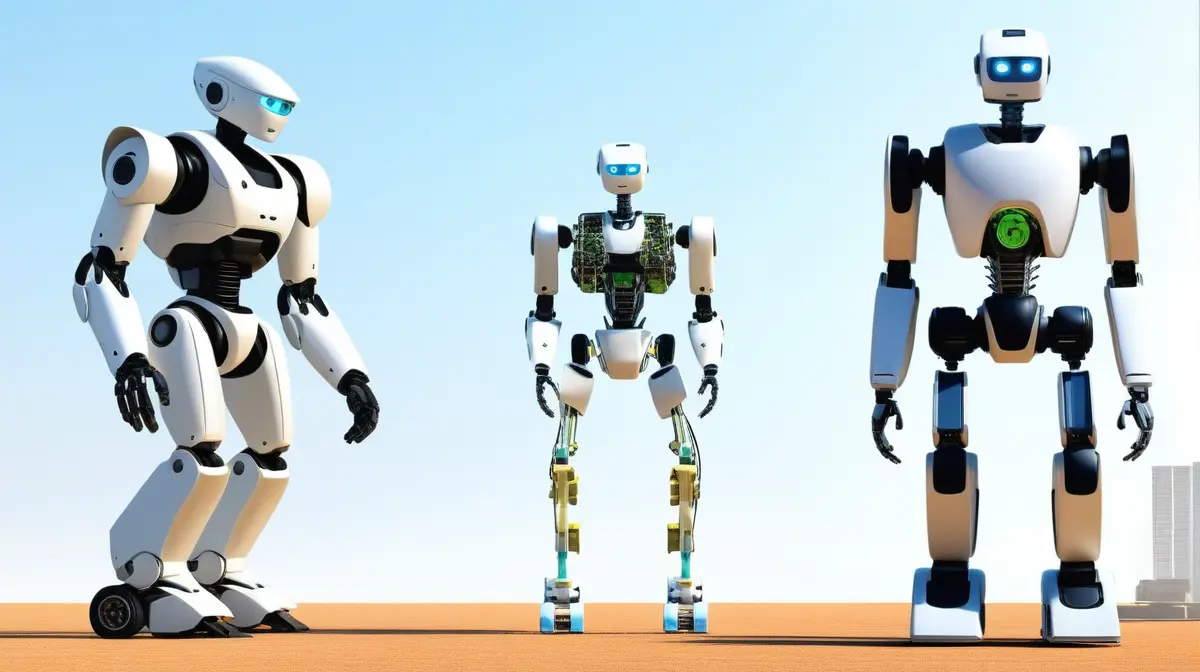
If living robots matter, they are likely to matter first in environments where ordinary machines are too rigid, too bulky, or too harsh.
Inside the body, for example, scale and softness matter greatly. A tiny bio-hybrid device designed for drug delivery, sensing, or controlled movement in fluid environments has very different requirements from a warehouse robot. Likewise, in regenerative medicine or organ-on-chip research, living components may integrate more naturally with biological settings than conventional mechanical parts.
A comparison makes this clear. A factory arm succeeds by being strong, repeatable, and durable. A microscale therapeutic robot succeeds by being biocompatible, responsive, and gentle. Those are different design targets, so it makes sense that different material strategies emerge around them.
This is why living machines are often discussed alongside biomedical applications rather than consumer gadgets. The earliest wins are likely to appear where biology is already the environment.
Why this does not mean steel-and-silicon robots are obsolete
It is easy to overread the headline and imagine a clean swap from industrial robots to grown organisms. That is not what the evidence suggests.
Living systems come with serious tradeoffs. They require careful environments, limited lifespans, tight handling constraints, and complex manufacturing processes. They may be excellent at softness or responsiveness while being weak at durability, repeatability, and large-scale deployment. Conventional robotics still dominates where strength, uptime, precision, and ruggedness matter most.
A practical comparison helps. Carbon fiber does not replace concrete everywhere. Each material wins in different contexts. Bio-robotics is similar. A grown actuator might be perfect for a soft medical device and completely wrong for an outdoor logistics robot.
That is why the strongest future is likely hybrid. Biological components will appear where they solve a specific bottleneck, not because the whole field of robotics abandons engineered materials.
Synthetic biology changes what “design†means
The biggest conceptual shift may be less about robots and more about engineering itself.
Traditional robotics design starts with parts, geometry, and control systems. Synthetic biology introduces another layer: cells can be programmed, selected, guided, or structured to behave differently under specific conditions. That means future machine design may include not just CAD files and firmware, but also biological protocols, growth conditions, and developmental constraints.
A comparison helps. Writing software tells a processor what to do after fabrication. Engineering living systems can influence what the system becomes during growth and assembly. That changes the timeline of design and the kinds of failure modes engineers have to think about.
For biologists, that is familiar territory. For robotics teams, it is a major shift in mindset. The machine is no longer fully inert before activation. Parts of it may already be metabolically active, variable, and context-sensitive before the robot ever moves.
Why climate and sustainability people are watching
Climate-tech and sustainability readers care for a reason beyond novelty.
Some forms of lab-grown tech may eventually support lower-material, lower-waste, or more biodegradable design strategies in niche applications. Even when the sustainability case is not immediate, bio-hybrid systems raise new questions about how machines are manufactured, powered, and disposed of.
A concrete example helps. If a microscale sensor or actuator can be built from softer, partially biological components for a short-lived use case, end-of-life handling may look very different from that of a device built entirely from metal, plastic, and batteries. That does not automatically make it greener, but it does change the design conversation.
This is where synthetic biology meets climate pragmatism. The right question is not whether a bio-robot sounds natural. It is whether the lifecycle, energy demands, and application fit actually improve the system.
The real bottlenecks are scaling, control, and stability
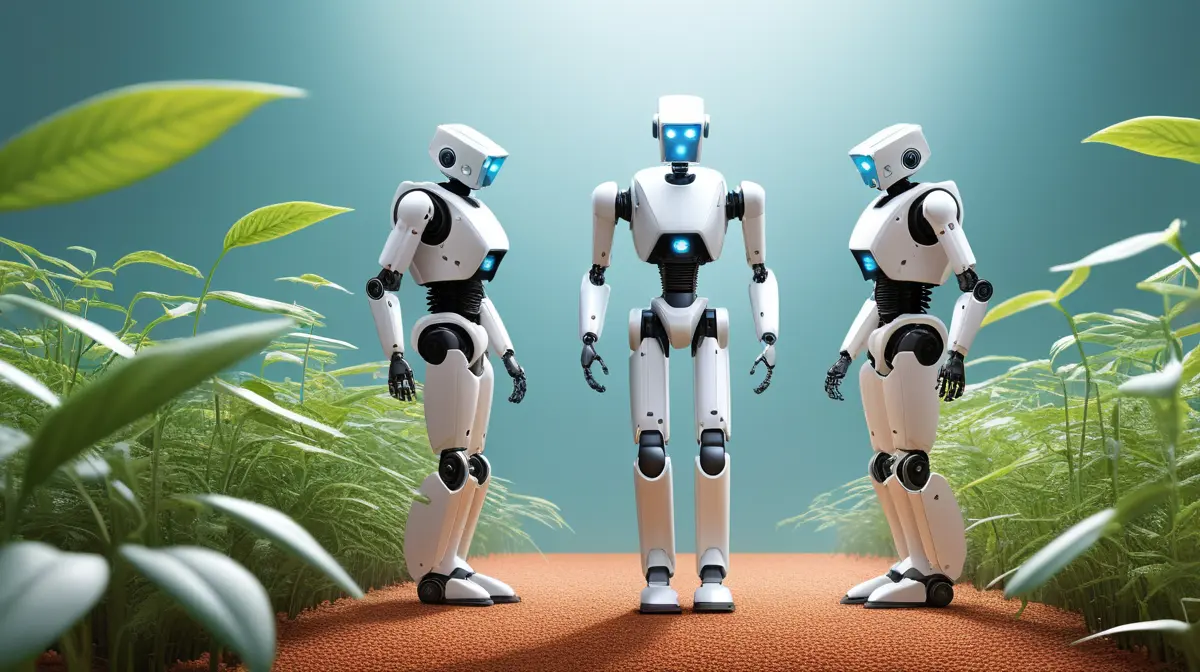
The field becomes much harder the moment you move from a lab demo to a real product.
Living tissues vary. Biological performance drifts over time. Environmental conditions matter. Control systems have to bridge biological unpredictability and engineering demands. Manufacturing also becomes complicated because consistency is harder when the active material is alive.
A comparison with semiconductor manufacturing helps. The chip industry thrives on extreme repeatability. Bio-hybrid systems deal with materials that are inherently more variable. That does not make them unworkable, but it does mean scale is not just a funding problem. It is a biological one.
This is why many current bio-robotic systems should be viewed as proof-of-principle platforms rather than near-term mass-market machines. The science is advancing, but the production logic is still immature.
What the future probably looks like
The realistic future of bio-robotics is not a world where your delivery robot is literally grown in a greenhouse. It is a world where specific machine functions increasingly borrow from biology when biology is the better tool.
That may mean bio-hybrid actuators in soft medical devices, engineered tissues in microscale robotics, or living sensing layers integrated into machines built mostly from conventional materials. In other words, the next important robot may be partly grown even if it is not entirely alive.
A good comparison is the history of electronics. Digital systems did not replace analog ideas in one clean break. The best systems combined different strengths for different purposes. Bio-robotics is likely to follow the same pattern.
Final Thoughts
The idea that the next robot might be grown in a lab sounds like science fiction because it changes the mental picture of what a machine is. But the serious version of the idea is not theatrical. It is technical. Researchers are looking for tasks where living tissues offer motion, softness, and responsiveness that conventional materials still struggle to match.
That is why bio-hybrid robots matter. Not because factories are about to disappear, but because some future machines may be designed more like biological systems and less like assembled hardware. The important shift is not from robot to organism. It is from single-discipline engineering to a world where robotics and synthetic biology increasingly meet in the same device.