

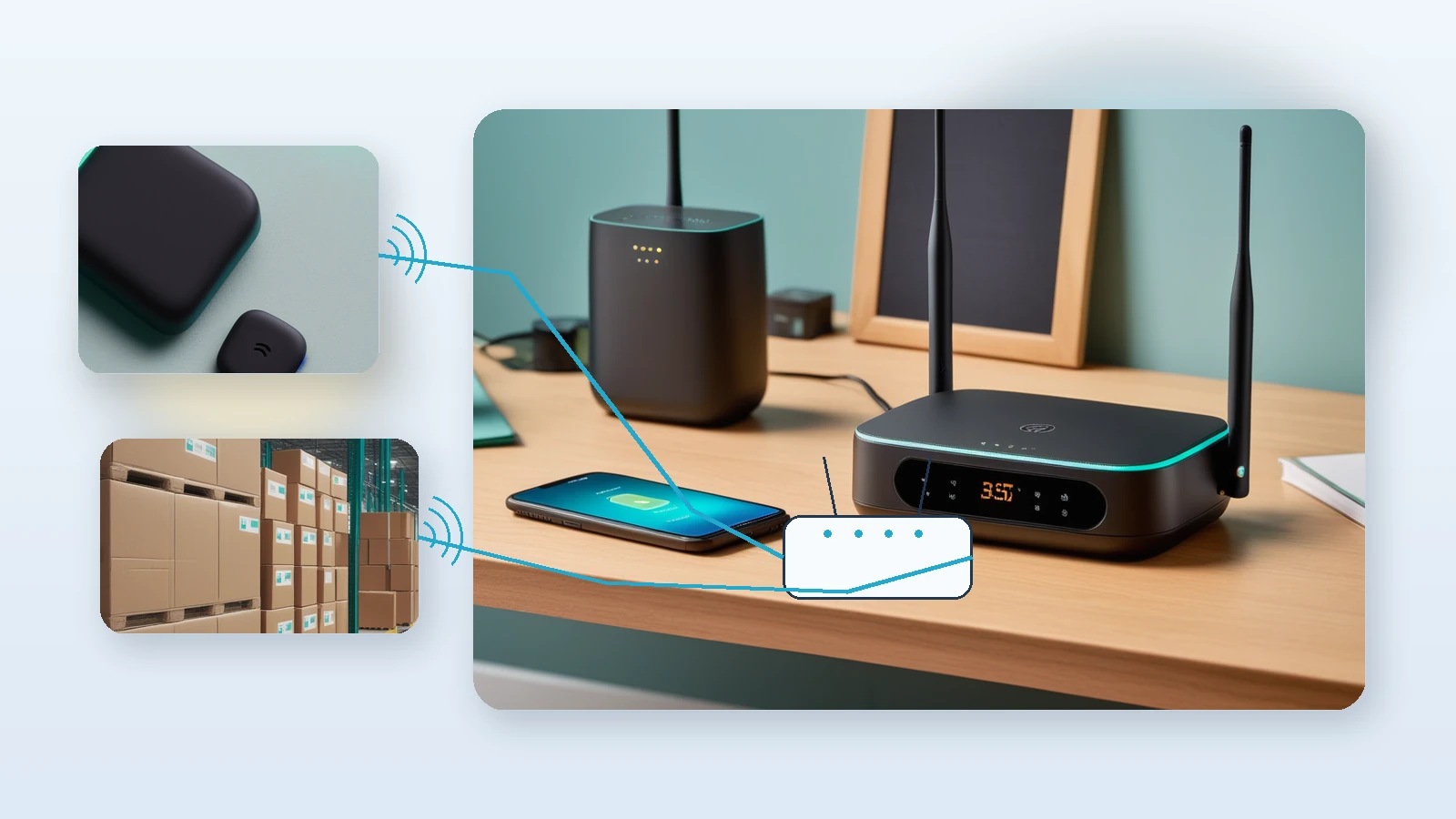
If you have seen headlines claiming Wi-Fi could end batteries, here is the practical answer up front: ambient Wi-Fi can already help power very small sensors and battery-light devices, but it is nowhere close to replacing the battery in your phone. By the end of this guide, you will know what Wireless Power Transfer means in this context, what RF charging and energy harvesting actually do, which products are realistic today, and why the first big win is likely to be battery-free tags and sensors rather than a battery-free iPhone.
That distinction matters because wireless charging now gets used for too many different things. A Qi charging pad, a battery-free sensor harvesting radio waves, and a dedicated RF transmitter energizing smart tags are not the same category. If you mix them together, the whole conversation becomes confusing fast.
What ambient Wi-Fi charging actually means
Wireless Power Transfer, or WPT, simply means moving electrical energy from one device to another without a cable. That sounds broad because it is broad. A charging pad under a phone uses wireless power transfer. So does a far-field RF system sending small amounts of energy through the air to a sensor.
Energy harvesting is narrower. It means capturing small amounts of energy that already exist in the environment and converting that energy into usable electricity. The source could be light, heat, vibration, or radio waves. In this article, the focus is radio-frequency, or RF, energy from Wi-Fi and related wireless systems.
RF charging sits in between. Sometimes it means harvesting whatever RF energy is already present in the environment. Sometimes it means using a purpose-built transmitter that is designed to send power on purpose. Those two cases are easy to blur, but they have very different practical limits.
The easiest way to make this concrete is a three-way comparison:
| Approach | Typical setup | Best current use | Main tradeoff |
|---|---|---|---|
| Qi or MagSafe-style charging | Phone placed very close to a charger | Phones, earbuds, watches | Good power, but almost no distance |
| Ambient Wi-Fi harvesting | Existing Wi-Fi and radio activity in the air | Tiny sensors and intermittent devices | No special charger, but very little power |
| Dedicated RF power | A transmitter intentionally energizes nearby devices | Tags, shelf labels, sensors, some wearables | More practical than pure ambient harvesting, but still low power |
That is why ambient Wi-Fi charging can sound more dramatic than it really is. It is real technology, but it lives in a very different power class from a mainstream phone charger.
The University of Washington PoWiFi paper is still the clearest example. The team modified a router so it could deliver power over Wi-Fi while preserving network performance. Their prototypes powered a battery-free temperature sensor at up to 20 feet and a battery-free camera at up to 17 feet, and they also showed trickle charging for small coin-cell batteries at up to 28 feet. That is impressive. It is also not the same thing as charging a smartphone the way people usually imagine it.

Why ambient Wi-Fi will not kill phone batteries soon
The simplest reason is the power-budget gap.
A tiny sensor does not need to behave like a phone. It can wake up once in a while, take a reading, send a short burst of data, and go back to sleep. A smartphone is a different machine entirely. It has a bright display, cellular and Wi-Fi radios, local processing, memory, sensors, storage, and a user who expects continuous interaction.
The PoWiFi paper says this directly. Under today’s FCC limits in the ISM band, the authors note that power over Wi-Fi is limited to low-power sensors and devices and cannot recharge smartphones at roughly the 5-watt class users expect. That one point is the most useful antidote to a lot of battery-free hype.
Another reason is that ambient RF is weak to begin with. A 2024 Nature Electronics paper on spin rectifiers for harvesting ambient radiofrequency energy says ambient radiofrequency energy is weak, at less than -20 dBm, which is why converting it efficiently is such a hard engineering problem. The energy is there, but not in the kind of abundance that makes phone-class charging easy.
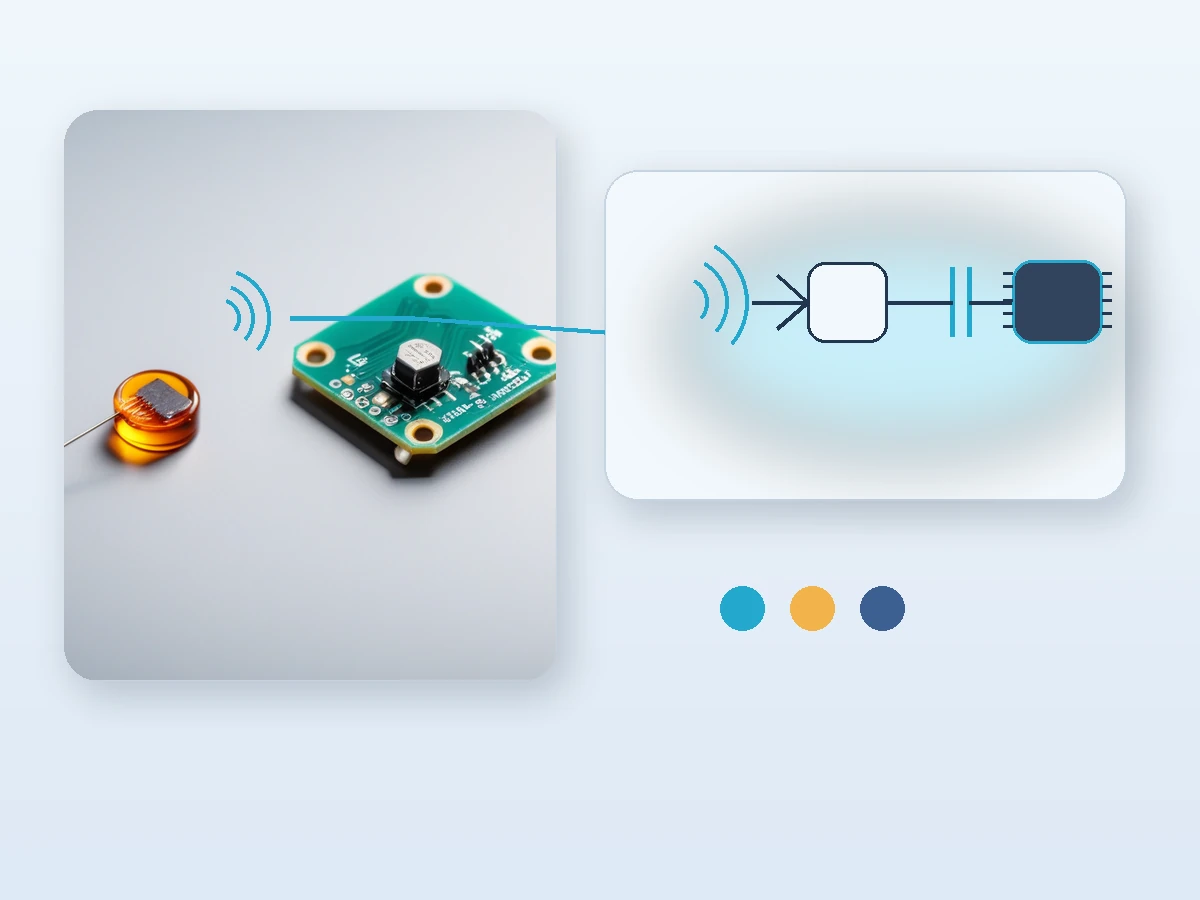
Then you have conversion losses. A rectenna, short for rectifying antenna, is the core component that captures RF energy and converts it into DC power a circuit can use. You can think of it as a radio-wave cousin of a solar harvester. The difference is that sunlight usually offers much more harvestable energy. With RF systems, every step matters: how much signal reaches the antenna, how much is lost with distance, how efficiently the rectenna converts it, and whether the device can store enough energy to do something useful.
A concrete comparison helps. A low-power tag may only need enough energy to backscatter a tiny packet or wake a microcontroller for a short task. A phone needs stable, continuous power in a much higher range. That is why 3GPP’s current Ambient IoT work in Release 19 is aimed at very low-end tags, with backscattered transmissions up to about 1 uW and active transmissions up to a few hundred uW. That is a completely different operating world from a phone.
Regulation adds another constraint. FCC wireless power transfer guidance makes clear that these systems have to satisfy RF exposure compliance and certification requirements. That is not a side note. It is part of why the easiest path is not to keep blasting more energy into the air for consumer gadgets. Real products have to work within exposure and interference rules. The FCC’s wireless power transfer rulemaking and RF exposure framework shows how central those limits are.
So when someone asks whether ambient Wi-Fi will replace batteries, the correct answer is: not for your phone, not soon, and not with today’s power budgets.
Where wireless power transfer already works today
The more interesting question is where it does work.
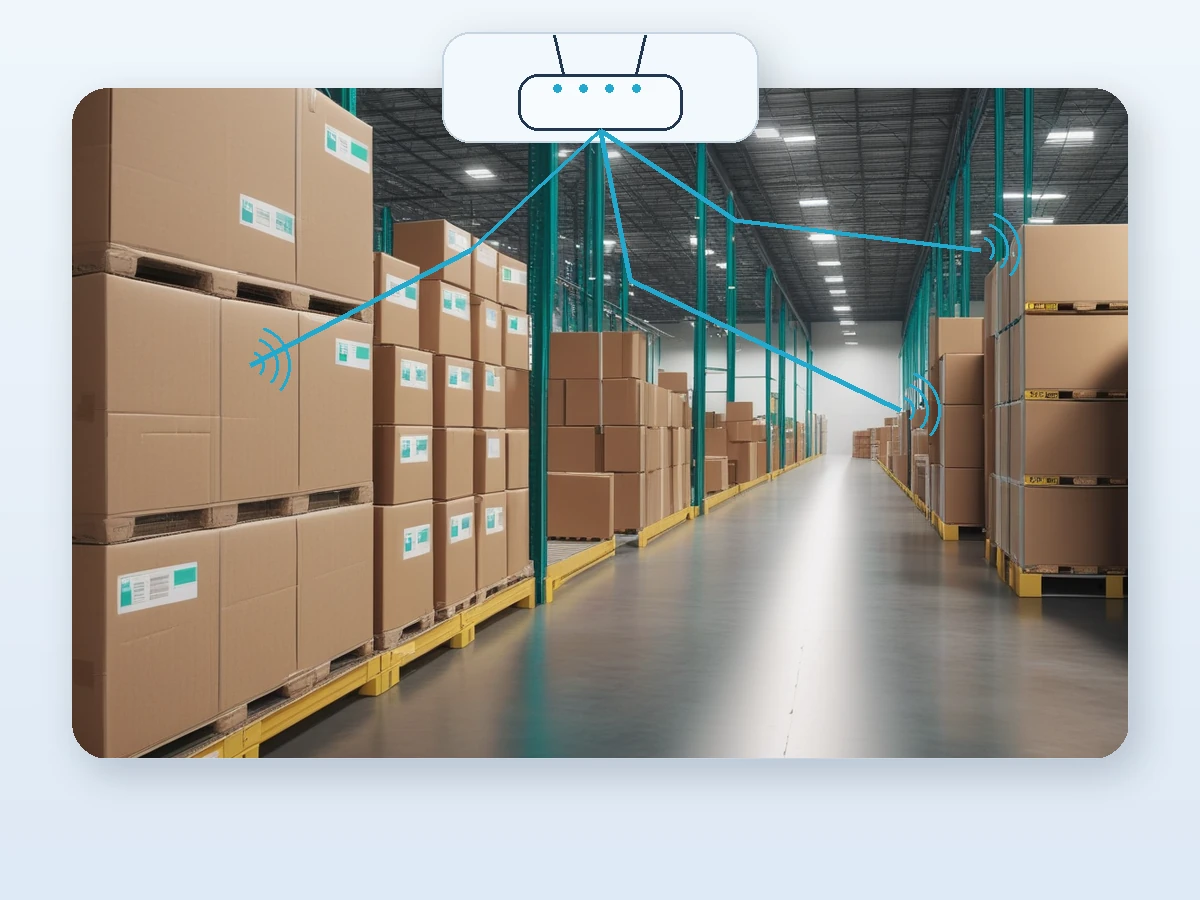
The strongest near-term use case is not a glamorous gadget. It is the boring world of small devices that are expensive to maintain because someone has to replace or recharge a battery. Think temperature loggers, supply-chain tags, shelf labels, simple environmental sensors, or sensors embedded in packaging.
That is exactly why the PoWiFi demo matters. A battery-free temperature sensor is not exciting in the way a phone is exciting, but it points to a real business problem: if you can deploy thousands of tiny devices without battery maintenance, the economics change.
Commercial examples are starting to look similar. Wiliot describes Ambient IoT as a new class of connectivity built around ultra-low-cost tags that draw power from the environment or very small power stores. Its battery-free Bluetooth IoT Pixels are a good example of what this category is trying to become: smart tags that can report identity and context without behaving like full-power gadgets.
Dedicated RF systems make this even more practical than pure ambient harvesting in many settings. Energous’ 1W WattUp PowerBridge, for example, is designed to energize Wiliot tags and rebroadcast their beacons. Its product brief makes the target market clear: inventory tracking, asset tracking, temperature monitoring, safety, and similar low-power applications. Not phones. Not tablets. Not gaming handhelds.
The AirFuel Alliance’s RF wireless power material frames the category in a similar way. It focuses on sensors, electronic shelf labels, asset trackers, and wearables. That tells you a lot about where the real commercial demand is. These are devices where convenience and maintenance matter more than raw power.
This also helps explain why the end of batteries is the wrong headline for most readers. A better headline would be the end of routine battery replacement for some tiny devices. That sounds less cinematic, but it is much closer to the evidence.
What is improving right now
Even if phones are not next, the field is not standing still.
The most important improvements are happening in the harvesting hardware itself. Better rectennas mean more usable energy from the same weak RF environment. A 2018 Scientific Reports paper on an efficient and sensitive electrically small rectenna showed why ambient harvesting depends so heavily on sensitivity and low-power efficiency. That kind of work matters because ambient systems live or die on the margins.
A 2019 Nature paper pushed this further with a flexible MoS2-based rectenna that harvested energy in the Wi-Fi band with zero external bias. In plain English, the hardware is getting better at pulling useful electrical power from the same frequencies used by familiar wireless systems.
Then there is the 2024 Nature Electronics paper on spin rectifiers. The paper reports harvesting ambient RF signals between -62 and -20 dBm and powering a small sensor at -27 dBm. The point for general readers is not the exact number. It is that researchers are still finding ways to make weak ambient radio energy more usable, which is exactly what has to happen for the category to become broader and cheaper.
Standards are moving too. 3GPP now treats Ambient IoT as a serious work area in Release 19. Its newsletter describes a harmonized design for low-end tags using backscatter and very low-power active transmission. That is important because it shifts the idea from isolated demos toward an ecosystem question: how do tags, networks, and infrastructure actually interoperate at scale?
There is also a useful comparison with RFID. Traditional passive RFID already showed that you can identify objects without putting a battery in every item. Ambient IoT is trying to go further by using existing wireless infrastructure more continuously, rather than relying only on deliberate scans from specialized readers. That makes the idea more flexible, but it does not erase the low-power constraint.
So the progress is real. It is just happening in the direction of better low-power infrastructure, not miraculous battery-free consumer electronics.
How to judge a battery-free gadget claim in 30 seconds
This is where most readers need a practical filter.
When you see a claim about charging through Wi-Fi or eliminating batteries, ask four questions.
1. Is the device a sensor or a power-hungry gadget?
If it is a tag, sensor, or intermittent monitor, the claim may be realistic. If it is a phone, laptop, or AR headset, you should be skeptical immediately.
2. Is it using ambient RF, or a dedicated transmitter?
Harvesting background radio activity is much harder than receiving energy from a purpose-built power source in the room. If the headline says ambient, but the product uses an installed transmitter, that is not a small detail. It changes the whole system.
3. Is the device running continuously, or only in bursts?
Many battery-free devices do not stay fully awake all the time. They gather energy, perform a short task, and then sleep. That is normal. A claim that ignores duty cycle is usually hiding something.
4. Does the company say anything specific about standards, certification, or power class?
Serious systems usually say what ecosystem they fit into. You may see references to Qi, AirFuel, Bluetooth, 3GPP Ambient IoT, or FCC certification. Vague over-the-air charging language with no technical context is a warning sign.
That checklist is not perfect, but it is a good way to separate interesting and credible from headline first, details later.
Final Thoughts
Ambient Wi-Fi charging is not fake, but it is often framed badly.
The better way to understand the field is this: Wireless Power Transfer is becoming useful wherever a device can do meaningful work with very little energy and where battery maintenance is a real burden. That is why tags, sensors, and Ambient IoT systems matter more than the fantasy of a battery-free phone.
So no, this is probably not the end of batteries. It may, however, be the beginning of a world where more tiny devices fade into the background because they no longer need constant charging or routine battery swaps. That is a smaller claim than the headlines promise, but it is also the more credible and more important one.