
Mind upgrades no longer belong to science fiction. Students use stimulants to study longer, consumers buy headsets that promise better focus, and brain-computer interfaces already help some patients recover communication or control external devices. The real question is not whether humans will keep trying to enhance intelligence. We already do. The harder question is which kinds of enhancement society should accept. By the end of this guide, you will have a practical way to think about Cognitive Enhancement Ethics, from transhumanist arguments for self-directed improvement to the harder issues of neural privacy, brain hacking, and cognitive inequality.
Enhancement is not automatically wrong, but it should not get a free pass just because it sounds innovative. A defensible view has to weigh benefit, risk, consent, fairness, and governance together.
What counts as a mind upgrade?
Treatment and enhancement are not the same thing
In plain language, a mind upgrade is any intervention meant to improve cognition beyond a person’s ordinary baseline. That baseline question matters. A technology that restores a lost ability is usually described as treatment. A technology that pushes a healthy person beyond typical function is usually described as enhancement. As the open-access review Recommendations for Responsible Development and Application of Neurotechnologies explains, the line is real but hard to draw cleanly because ideas of health and normality shift across contexts and cultures.
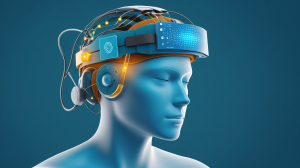
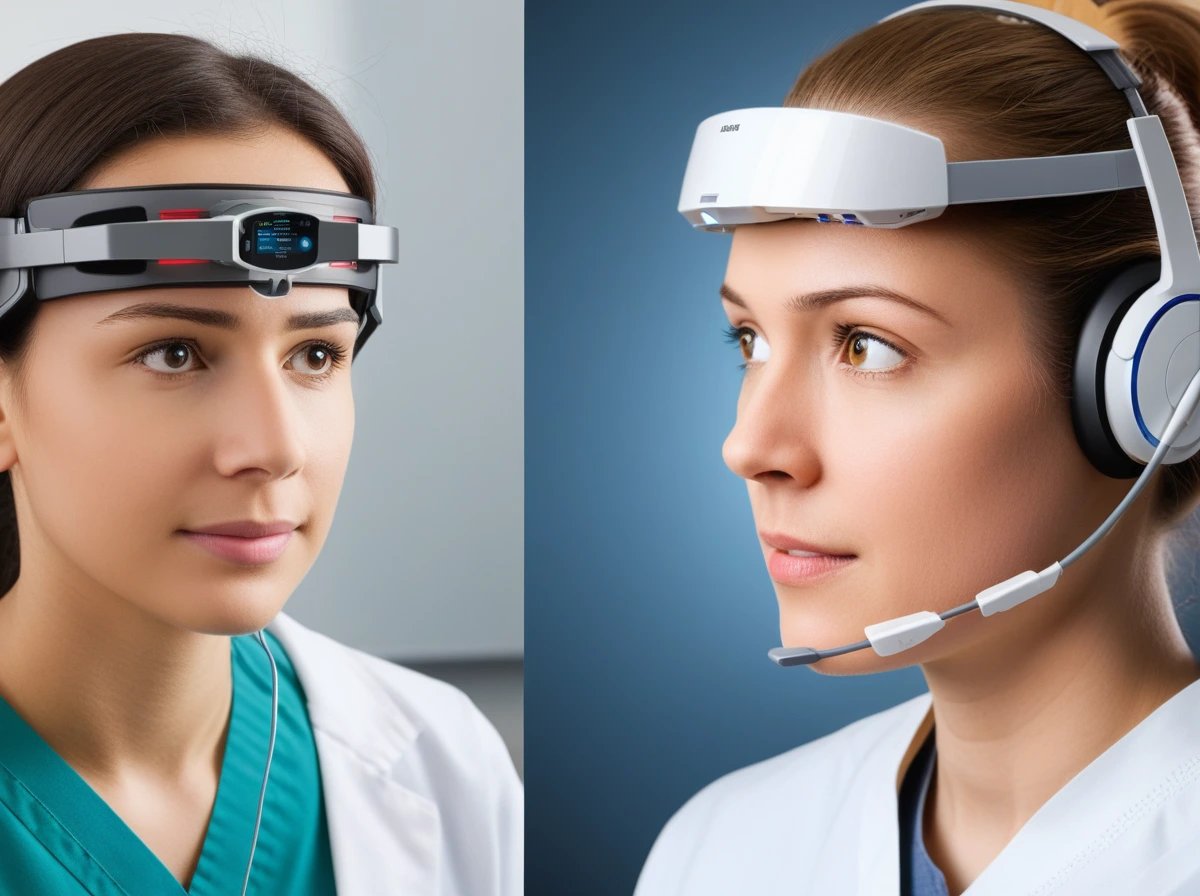
The easiest way to see the difference is through comparison. A brain-computer interface that helps a person with ALS produce speech again is trying to restore a capacity that disease took away. A wearable headset sold to healthy students as a way to improve concentration before exams is trying to enhance an existing capacity. Those cases can involve related tools, but they do not raise the same ethical questions.
That is why the treatment-versus-enhancement distinction matters for policy, even if it is not perfect. The more a technology moves from restoration toward elective improvement, the harder it becomes to justify weaker oversight.
Where transhumanism fits
Transhumanism is the broad view that humans should use science and technology to overcome biological limits. At its strongest, it is more than a taste for gadgets. It is an argument about self-direction: if people can use education, medicine, and tools to improve their lives, why treat cognitive enhancement as morally suspect just because it reaches deeper into the body or brain?
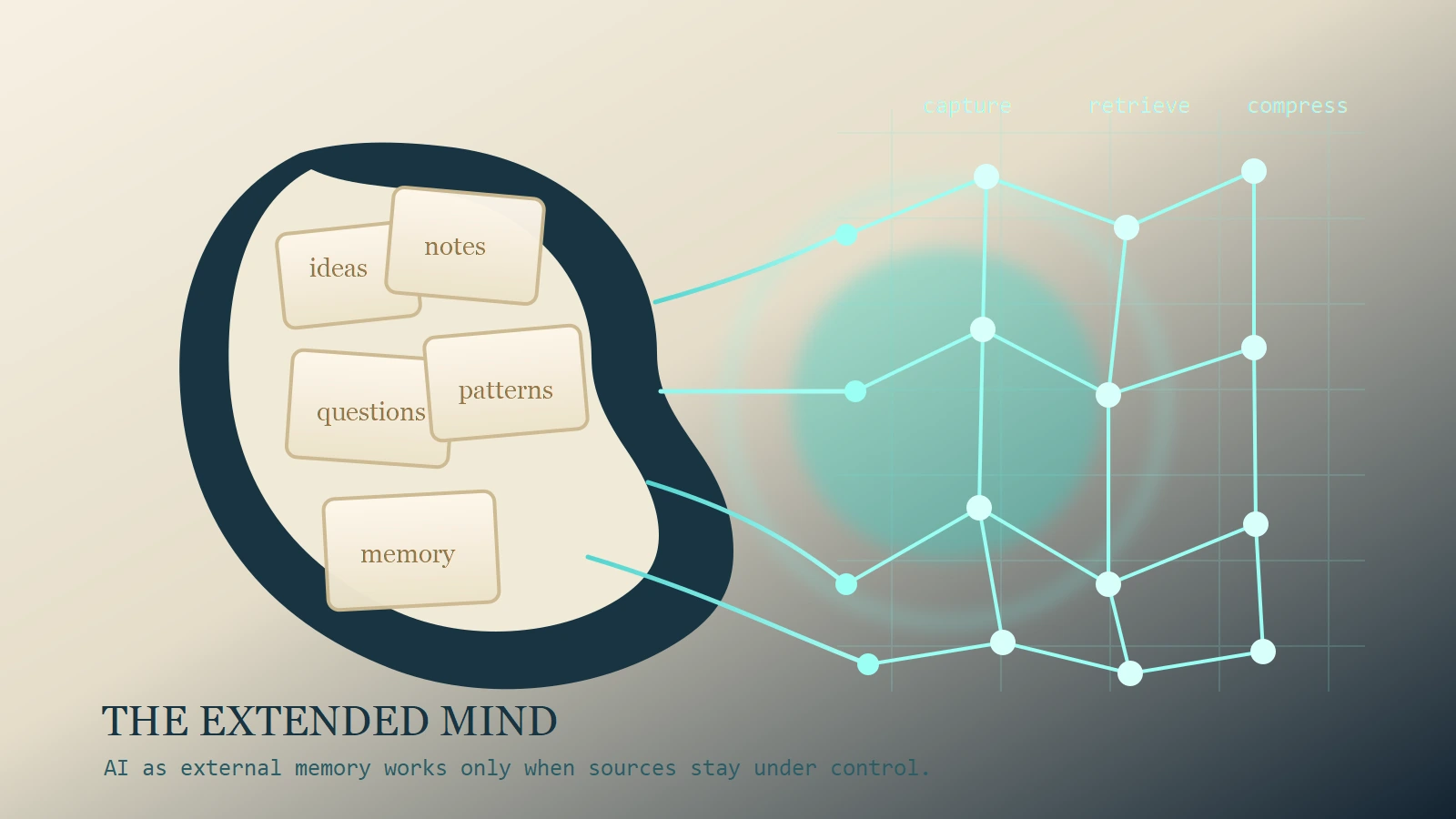
That argument has force. We already accept many ways of extending the mind. Education reshapes attention and memory. Caffeine changes alertness. Search engines and note systems offload recall. Even AI systems that act as cognitive scaffolding change what one person can do in an hour. If you want the lower-risk end of that spectrum, MindoxAI’s piece on the extended mind is a useful adjacent read.
The problem is not that enhancement is unnatural. The problem is that different enhancements create very different burdens of proof. A notebook, a stimulant, a neurofeedback headset, and an implanted neural device are all attempts to change cognition, but they do not raise the same questions about safety, privacy, reversibility, or coercion.
The strongest ethical case for enhancement
Autonomy and self-authorship
The strongest case for enhancement begins with autonomy. Adults generally have wide latitude to shape their own minds. They can train, meditate, study, take legal substances, use software tools, and pursue therapies that alter mood or attention. On that view, a safe and well-understood enhancement can look like one more way of exercising control over one’s own development.
That does not mean every enhancement should be permitted. It means the burden of argument cannot stop at saying that a technology is artificial. Many accepted interventions are artificial. The more serious question is whether the person choosing the intervention is informed, whether the risks are proportionate, and whether the social context is voluntary.
Compare two cases. In the first, an adult chooses a reversible, low-risk intervention after clear disclosure of benefits and side effects. In the second, a workplace quietly signals that only employees who use enhancement tools will keep up. The first case centers personal choice. The second undermines it.
Social benefit if the gains are real
Enhancement becomes easier to defend when the benefit is concrete rather than aspirational. Restorative neurotechnology already provides the cleanest example. If a neural interface helps a patient communicate after paralysis, few people treat that as morally troubling simply because a device is involved.
The harder question is what happens when the same family of technologies moves into elective use. Here the best argument is conditional: if a tool can safely and reliably improve cognitive performance, and if the benefits are shared rather than hoarded, then society has at least some reason to permit it. That is why the serious version of transhumanism is more than a future fantasy. It is a claim that improving human capacities can be part of human flourishing.
But that case only works if the gains are real. That is where the rhetoric often outruns the evidence. For a more speculative version of that debate, MindoxAI’s post on whether neural tech can make humans smarter than AI is a helpful cross-link.
Where the case weakens fast
Modest benefits and real trade-offs
A lot of enhancement talk assumes that more intervention means more intelligence. The evidence is not so neat. The British Medical Association’s October 2019 report Cognitive Enhancing Drugs and the Workplace concluded that currently available pharmacological enhancers tend to have modest effects in healthy users and may even impair people who are already functioning near their optimum level. The same report warns that some substances can increase overconfidence.
That is a useful correction because the common mental image is closer to a software upgrade than a messy biological trade-off. In practice, enhancement may sharpen one function while degrading another, help one subgroup more than another, or produce subjective confidence without equivalent objective improvement.
The comparison with caffeine helps. Caffeine can improve alertness, but few people think it transforms intelligence. Prescription stimulants or invasive devices may act more strongly, yet that does not guarantee a large or stable increase in overall cognitive performance. More intensity does not automatically mean better outcomes.
Fairness, pressure, and cognitive inequality
Cognitive inequality means more than unequal access to clever devices. It is the broader risk that enhancement will widen competitive gaps in schools, workplaces, and social status. The Stanford Encyclopedia of Philosophy entry on Human Enhancement returns repeatedly to distributive justice for exactly this reason. If only wealthy or institutionally privileged groups can access effective enhancement, the result is more than a private advantage. It can change the baseline of competition for everyone else.
The pressure problem matters just as much. A tool can be formally optional and still become practically mandatory. Imagine elite students in a high-pressure exam system, junior lawyers in a billable-hours culture, or military personnel operating under fatigue. Once enhancement becomes a background expectation, refusal can start to look like underperformance.
That is why fairness debates should not focus only on price. Even universal availability would not solve everything. A society can distribute a technology broadly and still create unhealthy performance norms around it.
Achievement, authenticity, and responsibility
Some critics worry that enhancement makes achievement less authentic. That concern is easy to mock, but there is a serious point underneath it. The question is not whether a technologically assisted result is fake. The deeper question is whether the person still owns the process in a meaningful way.
Take an exam or a professional judgment call. If someone uses a tool that supports concentration while preserving deliberation and accountability, many readers will see no ethical problem. But if success increasingly depends on hidden enhancement pressure, illicit access, or systems that blunt self-control while increasing confidence, then the social meaning of performance changes. Responsibility becomes harder to assess because the conditions of achievement are no longer transparent or fair.

Neural privacy and brain hacking change the debate
Why neural data is unusually sensitive
Neural privacy means control over access to brain-derived data and the inferences drawn from it. This is more than a dramatic label for ordinary data protection. Brain data sits closer to thought, intention, attention, and emotion than most other consumer data streams.
Rainey and colleagues make an important clarification in Brain Recording, Mind-Reading, and Neurotechnology. Today’s neurotechnology is not reading the whole mind in the science-fiction sense. But the ethical concern does not vanish just because the phrase mind reading is imprecise. If a device can infer whether someone is attentive, emotionally aroused, intending to move, or attempting to speak, the privacy stakes are already unusually high.
That is even more important now that consumer neurotechnology is moving outside clinics. The 2025 review Mental privacy: navigating risks, rights and regulation argues that non-invasive devices such as EEG headsets and portable brain scanners are entering an essentially underregulated consumer marketplace. A related 2024 Council of Europe report on neurotechnology, neural data, and Convention 108+ treats mental privacy as a real governance challenge rather than a speculative slogan.
A simple comparison helps. A fitness watch may reveal that you slept badly. A neural device could support inferences about what held your attention, how you reacted, or which speech patterns you were preparing to express. That does not mean perfect thought extraction is already here. It does mean neural data deserves stronger default protection.
If you want the capability side without the marketing haze, MindoxAI’s article on what neural tech can actually do is the most natural internal follow-up.
Brain hacking is not ordinary cybersecurity
Brain hacking, sometimes called brainjacking, refers to unauthorized access to or manipulation of neural devices and their data. Once a technology can record or modulate neural activity, cybersecurity failures stop being only an information-security problem. They become an autonomy problem.
The difference is concrete. A hacked email account exposes private communications. A hacked implanted or networked neural device could, in the worst case, tamper with stimulation settings, interfere with device function, or compromise user control over connected systems. That is why the peer-reviewed paper Brainjacking in deep brain stimulation and autonomy treats the issue as a challenge to agency and bodily integrity, beyond convenience.
This is also why consumer hype can be misleading. A flashy brain-computer interface demo is more than a UX story. It is also a story about authentication, update paths, adversarial access, and who carries responsibility when the system fails. MindoxAI’s overview of where current brain-computer interfaces are heading is a good bridge from product spectacle to governance questions.
A policy test for deciding what society should allow
The most useful answer to the enhancement question is a policy test, not a slogan. A mind-upgrade technology should clear at least five bars before society treats it as normal or desirable.
1. Evidence before normalization
Claims of cognitive improvement should be supported by evidence in the relevant population. A tool that helps patients in rehabilitation does not automatically justify use in healthy adults. A product marketed for focus or memory should not be treated as routine just because it sounds plausible.
2. Stronger intervention, stronger oversight
The closer a technology gets to the brain, the higher the ethical bar should rise. A notebook or scheduling app does not need medical-style oversight. A prescription stimulant, neural headset, or implanted device can. Risk, reversibility, and invasiveness should shape regulation.
3. Privacy and security by design
UNESCO’s official account of its neurotechnology recommendation, adopted in November 2025, says the new standard calls on governments to protect mental privacy, guard against non-therapeutic use on children, and resist workplace monitoring that profiles employees through neural data. The same document also stresses transparency and equitable access. The OECD’s Recommendation on Responsible Innovation in Neurotechnology adds trust, safety, privacy, stewardship, and inclusive innovation to the core governance frame. In practice, that means data minimization, clear retention limits, security audits, and a presumption against covert neural-data collection.
4. Anti-coercion rules for schools and workplaces
Enhancement should not become an unofficial condition of participation. Schools, employers, and other institutions should face strict limits on requiring or pressuring people to use cognitive enhancement tools, especially where refusal would carry hidden penalties. UNESCO is especially useful here because it explicitly warns against workplace uses that monitor productivity or generate data profiles on employees.
5. Fair access and public-interest governance
If enhancement ever proves effective at scale, access cannot be left entirely to prestige markets. Otherwise the benefits will stack onto existing educational and economic advantages. Fairness does not always require identical access, but it does require that basic opportunity not be reshaped only for the already privileged.
Put differently, the right policy question is not Should we ban mind upgrades? It is Which upgrades clear a high enough ethical bar to be allowed, and under what conditions?
Final Thoughts
The ethics of mind upgrades should not be framed as a choice between technophobia and transhumanist enthusiasm. The better question is what kind of society a given enhancement creates.
If the benefit is real, the risk proportionate, consent meaningful, neural privacy protected, and access structured to avoid coercion and deepening inequality, some forms of enhancement may be ethically defensible. If those conditions are missing, novelty is not a moral argument.
That is the practical core of cognitive enhancement ethics. The closer a technology gets to the brain, the less room there is for loose promises and weak governance.