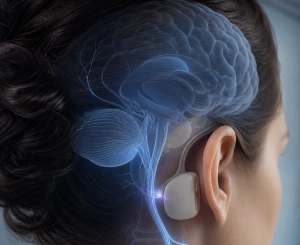
FDA-Cleared Neuromodulation Wearable for PTSD: What It Signals
The first FDA-cleared neuromodulation wearable for PTSD just arrived. Here's how Modius Spero works and what it means for cognitive-health tech.

Writes explainers and analysis for Mindox AI on AGI, artificial intelligence, neural technology and cognitive augmentation. Articles are based on primary sources such as research papers, company releases and regulatory documents, and follow the Editorial Policy.
The first FDA-cleared neuromodulation wearable for PTSD just arrived. Here's how Modius Spero works and what it means for cognitive-health tech.
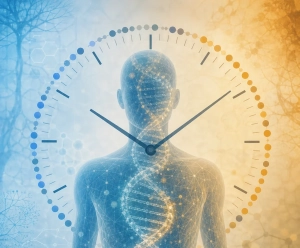
AI biological age clocks promise a truer age than your birthday. Here's what they actually measure, where they fail, and who might read your…
OpenAI government stake AI governance explained: what a 5% US equity stake worth ~$42.6B means for accountability, safety, and the regulator-shareholder clash.

Is AI training on copyrighted work fair use? Here's what the Thomson Reuters v. Ross ruling and the Third Circuit appeal mean for writers…
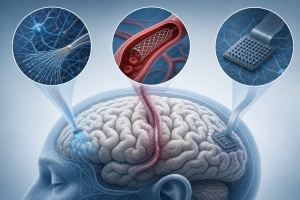
Neuralink vs Synchron vs Paradromics: a clear, human-first comparison of electrode counts, safety, patients, and the regulatory race in brain-computer interfaces.

RLHF vs Constitutional AI vs mechanistic interpretability, explained in plain terms: what each safety method catches, where it fails, and which to trust.

The Midjourney ultrasound scanner promises a 60-second full-body scan. Can an AI famous for hallucinating images be trusted to picture your insides?
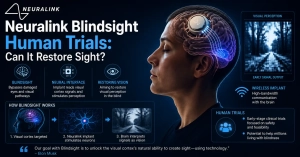
Neuralink Blindsight human trials aim to restore vision by writing signals into the brain. Here is what the science really promises, and what it…

AI-designed rare-earth-free magnets made headlines, but what did Ames Lab actually build? We untangle DuctGPT, the roadmap, and China's magnet grip.

AI weather forecasting at NOAA now runs a 16-day outlook in 40 minutes. But who is accountable when the model, not a person, calls…
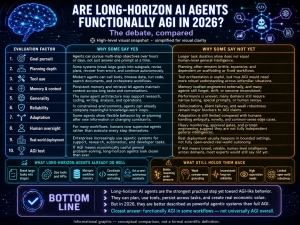
Are long-horizon AI agents functionally AGI? We weigh Sequoia's 2026 claim, METR's task-horizon curve, and the reliability math skeptics keep citing.

AI red-teaming now has professional attackers probing models on purpose. Here's what they find, why 2026 made it a discipline, and what it means…
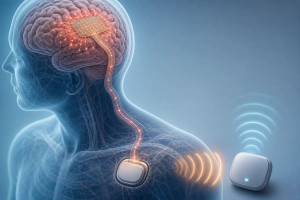
The Paradromics speech-restoring brain-computer interface just got a first-ever FDA nod. Here's what it means for people who can't speak, minus the hype.
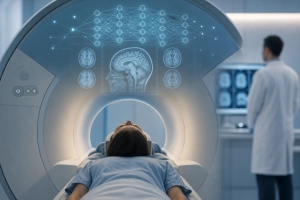
The AI diagnostic dilemma is 2026's top patient-safety concern. When a machine reads your scan, who is actually deciding your diagnosis? Here's the honest…
AI music copyright lawsuits are redrawing who owns a song: from Anthropic's piracy fight to Suno and Udio's licensed pivot. Here's what it means…

Why AI data centers are turning to nuclear power, what it means for your electricity bill, and who actually gets a say over the…
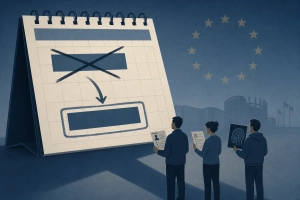
EU AI Act high-risk compliance deadline just slipped to December 2027. But is it even legally binding yet, and does the delay leave you…
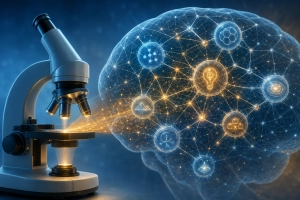
What is mechanistic interpretability? It's the science of reading an AI's mind, and in 2026 it became a real safety check on models like…

Quantum computing AGI timeline hype spiked after Google's first verifiable quantum advantage. Here's what the Willow result proves, and what it doesn't.

AI video generation authorship just got urgent: Gemini Omni Flash builds a finished clip from three sentences. So who's the author, you, the model,…
The AI executive order frontier model early access rule lets Washington preview top AI before launch. Is it truly voluntary? Here's what it really…

Humanoid robot safety is racing hyper-real faces in 2026. Two launches eight days apart reveal whether the industry earns trust faster than it verifies…

Agentic Resource Discovery lets AI agents find and vouch for their own tools. What Google and Microsoft's new standard means for trust and human…

The Anthropic Pentagon dispute pits a safety-first AI lab against its biggest customer over autonomous weapons. Here's what happened and why it matters.