
Neuroprivacy: What Governments Can Really Subpoena
Neuroprivacy is less about mind reading than about who can reach stored neural data, device outputs, and cloud records through legal process.


Welcome to the fascinating intersection of biology and technology. Neural Tech, also known as Brain-Computer Interfaces (BCI), is perhaps the most personal and revolutionary field of modern science. In this section, Mindox AI explores how we are learning to connect the human brain directly to digital devices. Imagine controlling a computer with just a thought or restoring sight to the blind through a microchip. This is no longer the stuff of movies; it is happening right now in research centers across the globe.
We focus on the incredible potential of companies like Neuralink and Synchron, explaining how these technologies work in simple, easy-to-understand language. Our content covers the medical breakthroughs that allow paralyzed individuals to walk again using robotic limbs controlled by their minds. However, we also delve into the “curious” side of things: could we one day download a new language directly into our brains? Could we share memories or communicate telepathically through the cloud?
Neuroprivacy is less about mind reading than about who can reach stored neural data, device outputs, and cloud records through legal process.

Neuromarketing uses EEG, eye tracking, and biometrics to improve ad testing, but it works best as a decision tool, not a mind-reading shortcut.

Sleep learning is real only in the narrow TMR sense: cues can strengthen memories you already studied, but they cannot teach complex new material…
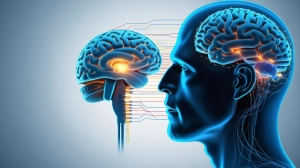
A grounded look at neuroplasticity, reconsolidation, optogenetics, and why trauma can be modified more easily than erased.

What can neural tech actually do today? This article examines BCIs, enhancement limits, and why hybrid human-AI intelligence is more realistic than headline hype.
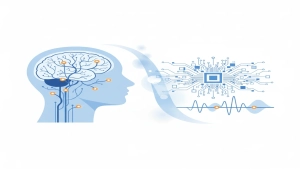
AI reading minds is real — but not the way headlines suggest. This guide covers neural decoding, what clinical research has proven, and why…
Mind captioning research shows how AI can turn fMRI patterns into rough language output, but the science is narrower than the headline suggests.
How AI reads scrambled inner thoughts: what mind captioning, inner speech decoding, and neural decoding can really do, and where limits remain.
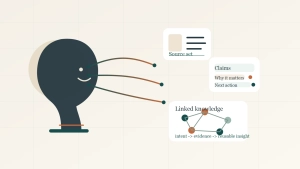
What is a brain-computer interface? This article explains how BCIs work, what they can do today, and where the field is heading next.
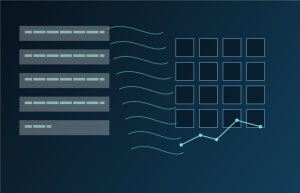
What can AI teach us about being human? This article explores mirror neurons, machine models, and the limits of artificial understanding.
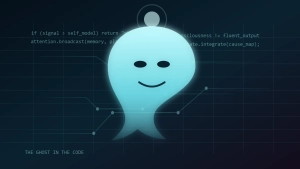
Can AI ever be conscious? A clear guide to Turing, the Chinese Room, modern neuroscience, and why today's models still fall short for now.
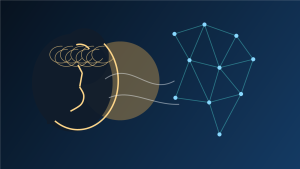
A clear guide to how AI mirrors human thinking, where machines still fall short, and what those limits reveal about our own minds.