


AGI Hardware Requirements: Chips, Memory, and Power
AGI hardware requirements are really about chips, memory, interconnect, and power. This guide explains where GPUs, TPUs, NPUs, and quantum fit.
Welcome to the heart of Mindox AI-our official blog. In an era where technology moves faster than we can blink, staying informed isn’t just an advantage; it’s a necessity. This section serves as your ultimate guide to understanding how Artificial Intelligence, machine learning, and automation are reshaping our daily lives and global industries. We dive deep into the latest tech breakthroughs, offering you a front-row seat to the digital transformation happening right now.
Our goal is to demystify complex concepts and present them in a way that is easy to grasp, whether you are a seasoned tech professional or a curious beginner. We explore everything from the ethical implications of AI to practical tips on how you can use smart tools to boost your productivity. We don’t just report the news; we analyze what it means for the future of humanity.
AGI hardware requirements are really about chips, memory, interconnect, and power. This guide explains where GPUs, TPUs, NPUs, and quantum fit.

Cobots are moving closer to people at work. This guide explains where collaborative robots fit, how human-robot teamwork works, and what safe adoption really…

Humanoid robots in education can support learning, but AI nannies raise harder questions about development, privacy, and accountability.

Can nanobots in the bloodstream clean arteries? This guide explains what nano-medicine can do today, what is still experimental, and what matters now.

A grounded guide to ambient Wi-Fi charging, what wireless power transfer can power today, and why battery-free sensors matter more than battery-free phones.
Wearable neurotechnology can help with focus or memory in some narrow cases, but the evidence depends heavily on the device type, protocol, and outcome…
A practical framework for judging mind upgrades through autonomy, evidence, neural privacy, security, and fairness.

Augmented intelligence works best when AI acts as a co-processor for search, synthesis, drafting, and coordination while humans keep judgment and accountability.

AGI regulation and laws are emerging through EU hard law, U.S. standards, UK safety evaluation, China provider rules, and global AI governance efforts.
Neuralink is pushing brain-computer interfaces into real clinical trials, but the bigger story is the wider BCI field. This article explains what works now,…

AGI timeline predictions vary because experts use different definitions and evidence. This article compares frontier-lab forecasts, survey data, and capability trends through 2035.

AGI vs Narrow AI explained for entrepreneurs, investors, and developers: what current AI can do now, what AGI would change, and how to plan…
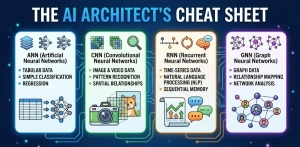
A practical guide to choosing ANN, CNN, RNN, or GNN based on data structure, use cases, and the tradeoffs that matter in real ML…
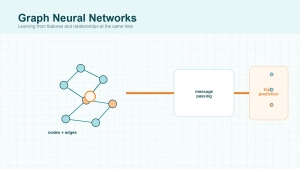
Graph neural networks explained in plain language, including message passing, node classification, link prediction, major architectures, applications, and limits.
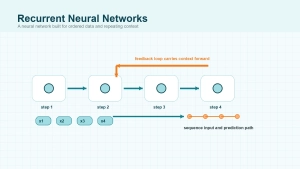
Learn what recurrent neural networks are, how RNNs process sequences, why LSTM and GRU matter, and where RNNs are used in text, speech, and…
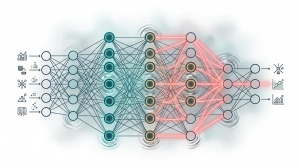
Artificial neural networks explained in plain language, with layers, weights, training, network types, real examples, and their link to deep learning.
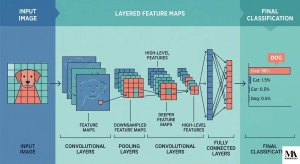
A beginner-friendly guide to CNNs, including convolution layers, pooling layers, feature maps, and why CNNs work so well for image recognition.
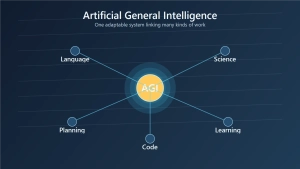
A clear guide to AGI meaning, AGI vs AI, why today's models are not AGI, and what future general intelligence could actually look like.

A clear guide to OpenAI's AGI definition, the Microsoft partnership terms around it, and why the debate is really about governance, leverage, and the…

Neural tech can already restore speech and improve communication, but that is different from making healthy humans smarter than AI. Here is what current…

How AI is turning BCIs from lab demos into practical assistive tools, with a clear look at limits, ethics, and realistic future timelines.

AI reading minds is real — but not the way headlines suggest. This guide covers neural decoding, what clinical research has proven, and why…
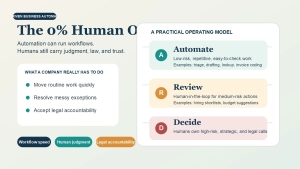
Can AGI agents run a company with no staff? This guide explains AI-driven business automation, legal limits, hidden costs, and where humans still matter.

AGI can mimic human language, but thinking like a human mind still requires grounding, causal reasoning, robust transfer, and consciousness evidence.