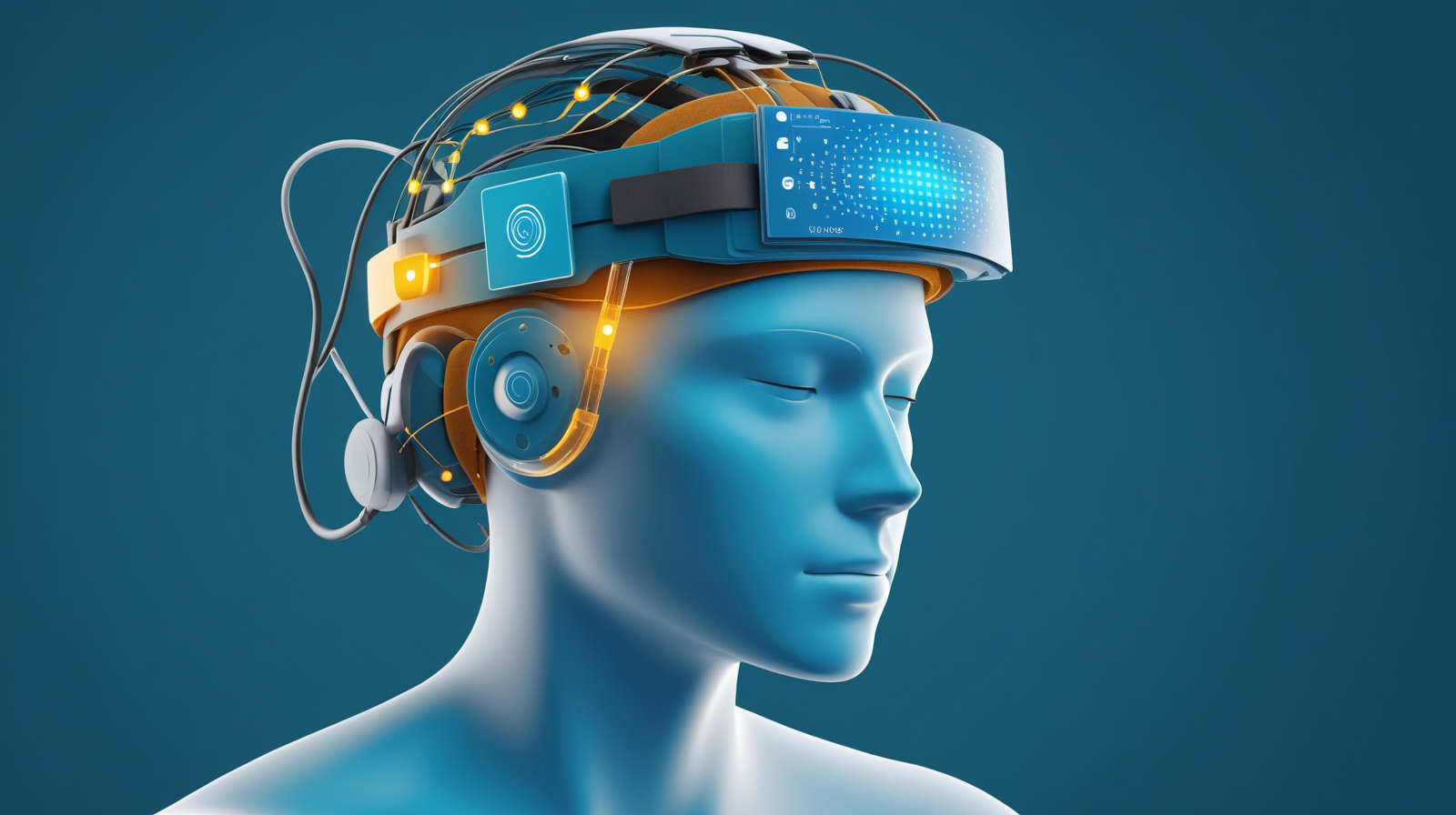

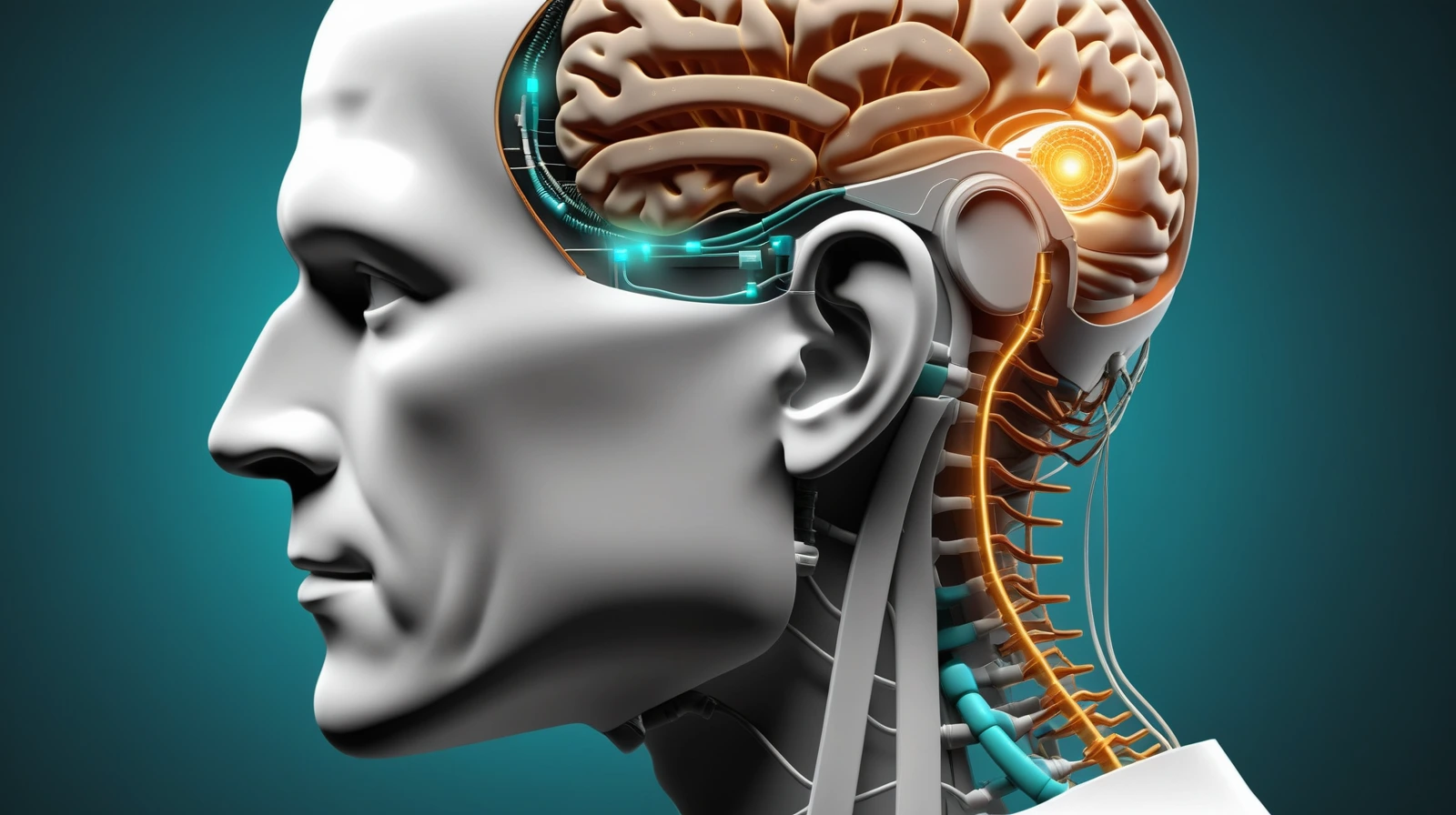
Brain-computer interfaces are no longer just conference demos, venture slides, or Elon Musk headlines. If you want to know what Neuralink is actually doing, what other teams are building, and which BCI applications are realistic over the next decade, this guide lays it out. By the end, you will have a clear map of the field, the current status of Neuralink’s clinical programs, and a realistic sense of what BCIs can do now versus what still belongs in research.
The short version is this: BCIs already work in narrow medical settings, especially for communication, device control, and rehabilitation. What does not exist yet is a universal consumer brain chip that gives healthy users a clean upgrade. The field is moving, but it is moving through specific clinical systems, not one all-purpose implant.
If you want a broader framing of the category, see our earlier overview on brain-computer interfaces and the future of AI. This article goes narrower and more current.
What a brain-computer interface actually does
A Brain-Computer Interface, or BCI, is a system that records brain activity and turns it into a useful output. That output might be a cursor moving on a screen, synthetic speech, a robotic arm, or electrical stimulation delivered to muscles. In practice, a BCI is not one device. It is a loop: signal capture, decoding software, and an output system that does something meaningful with the decoded intent.
That definition matters because the phrase brain-computer interface gets stretched too far. A rehab system that uses electroencephalography, or EEG, from the scalp is a BCI. A fully implanted speech prosthesis is also a BCI. So is an implanted system that lets a person with tetraplegia, meaning paralysis affecting all four limbs, control a computer. These are related technologies, but they solve different problems with different tradeoffs.
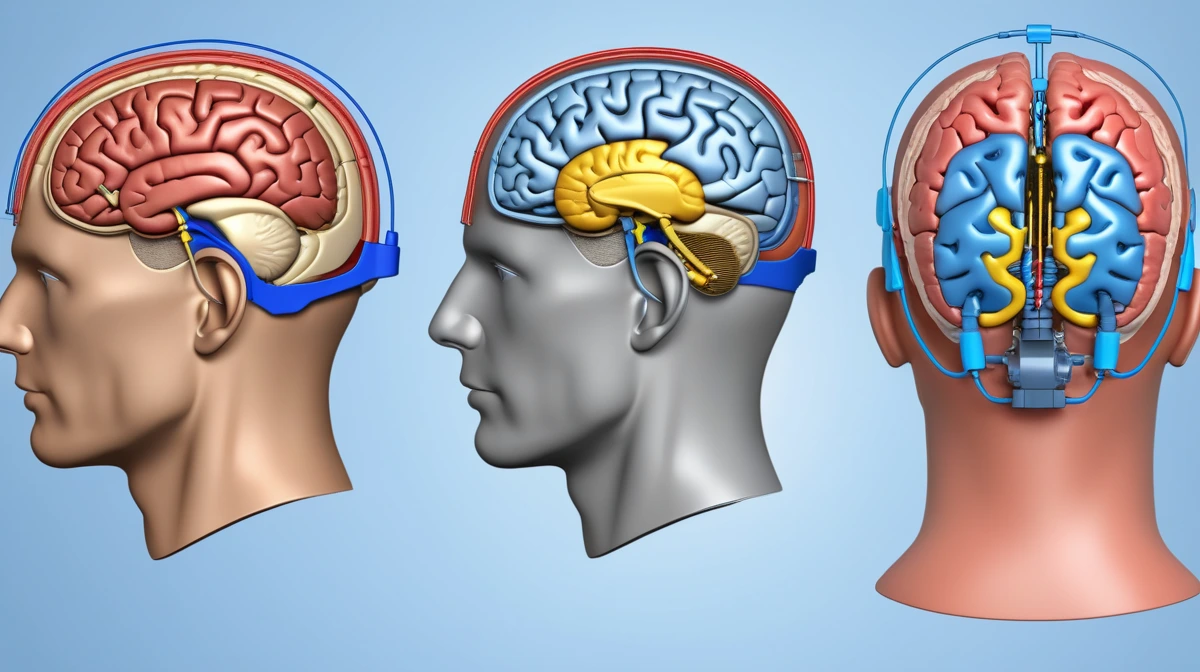
The easiest way to think about the field is to compare how close the electrodes get to the brain. Scalp EEG has the lowest procedure burden, but the signal is broader and noisier. Implanted cortical systems sit much closer to the neurons that carry movement or speech intent, which can support finer control, but they require surgery. Endovascular systems, such as Synchron’s, try a middle route by placing the device through blood vessels instead of opening the skull. That is why BCI is better understood as a family of interfaces than as a single product category. Source Source Source
Where Neuralink stands right now
As of January 9, 2026, Neuralink’s PRIME study (NCT06429735) is recruiting at Barrow Neurological Institute in Phoenix and the University of Miami in Florida. PRIME is officially described as an early feasibility study of the N1 implant and the R1 robot for external-device control in people with tetraparesis or tetraplegia. The registry lists the N1 as a skull-mounted, wireless, rechargeable implant connected to electrode threads inserted by the R1 robot. Estimated enrollment is 15 participants. Source
That update matters, but it needs the right frame. PRIME is not proof that consumer BCI is around the corner. It is a first-in-human feasibility study designed to answer basic questions first: can the implant and surgical system be used safely, and can the device function well enough to control external systems? In medical-device terms, that is closer to prototype validation than to a mature product rollout.
Neuralink is already expanding beyond basic device control. As of November 4, 2025, the VOICE study (NCT07224256) is recruiting in Dallas to evaluate whether the same N1 and R1 platform can help restore communication in adults with severe speech impairment and impaired upper-limb function. The study description specifically targets communication restoration and lists speech-related efficacy measures such as correct words per minute. Estimated enrollment is six participants. Source
The company also opened UAE-PRIME (NCT06992596), a feasibility study in Abu Dhabi that was last updated on June 5, 2025. That trial is also recruiting and is designed to assess the safety and functionality of the N1 implant and R1 robot for external-device control. The larger point is not just geography. It is that Neuralink is building a portfolio of narrow clinical programs rather than one catch-all study. Source
In other words, the current Neuralink update is not the future has arrived. It is the company now has multiple active feasibility-stage clinical pathways. That is real progress, but it is still early-stage medicine.
Beyond Neuralink: the other BCI paths that matter
Neuralink is the highest-profile BCI company, but it is not the whole field. BrainGate, for example, has been building clinical intracortical BCI systems for years. BrainGate2 (NCT00912041) is still recruiting, and its stated purpose is to demonstrate the feasibility of letting people with tetraplegia control a computer cursor and other assistive devices using their thoughts. That matters because it shows the field did not begin with Neuralink, and it also shows how long serious neurotechnology takes to move from proof of concept to durable clinical use. Source
The field also includes different surgical bets.
| Approach | Example | Practical tradeoff | Best-fit use today |
|---|---|---|---|
| Intracortical implant | Neuralink, BrainGate | Rich signal, highest surgical complexity | Cursor control, communication, assistive devices |
| Endovascular implant | Synchron | Less invasive access through blood vessels, different placement constraints | Digital device control and autonomy-focused use cases |
| Surface cortical or home-use implant | Fully implanted ECoG systems | Middle ground between open-brain threads and external systems | Long-term home use, motor-intent decoding |
| Non-invasive or rehab BCI | EEG and BCI-FES systems | Lowest procedure burden, weaker signal | Rehabilitation and simpler control tasks |
This comparison is a synthesis across the source set, but the pattern is clear. The field is not converging on one hardware shape. It is branching into several architectures that make different tradeoffs between signal quality, risk, and day-to-day practicality.
Synchron is a good example of that diversity. Its official site describes a minimally invasive endovascular procedure, similar to stent placement, that avoids open brain surgery. That does not automatically make it better than an intracortical system. It means the company is optimizing for a different balance of signal access and surgical burden. Source
A 2025 follow-up paper on a fully implanted electrocorticography, or ECoG, BCI adds another piece to the picture. ECoG uses electrodes on the surface of the cortex rather than penetrating into it. In that study, one person with spinal cord injury used a fully implanted system in the home and community environment over 54 months. The reported average home use was 38 plus or minus 24 minutes per day, and the authors concluded that long-term recordings remained stable for motor-intent classification and control. That is a very different signal than a one-day headline demo. It suggests that practicality and durability are becoming central design goals. Source
If you are interested in the more speculative end of the discussion, our piece on can neural tech make humans smarter than AI picks up where the clinical question starts to turn into an augmentation question.
What BCIs can actually do today
Control a computer or external device
This is still the most mature use case. PRIME is explicitly framed around control of external devices, and BrainGate2 was built to show proof of principle for cursor control and assistive-device control in people with severe paralysis. That may sound modest compared with science-fiction expectations, but it is clinically meaningful. For someone who cannot use their hands, reliable cursor movement is not a novelty feature. It is access to communication, work, environmental control, and daily independence. Source Source
Restore speech
Speech restoration is one of the most important areas to watch. In an NIH-highlighted 2025 result published in Nature Neuroscience, researchers implanted electrodes over speech-related cortex in a woman who had been unable to speak for 18 years after a stroke. The system translated attempted speech into audible output with less than a quarter-second delay. NIH reported 47.5 words per minute across a large vocabulary and 90.9 words per minute on a simpler 50-word set, with more than 99% success in decoding and synthesizing speech in under 80 milliseconds. That is not yet a commercial product, but it is well beyond the idea of BCIs as simple yes-or-no switches. Source
Neuralink’s VOICE study matters in this context because it shows the company is not limited to cursor-control narratives. The broader field is moving toward communication restoration as one of the clearest high-value clinical targets.
For adjacent work in language decoding, see our article on mind captioning, which looks at how other neurotechnology systems translate brain-related signals into text.
Add back touch, not just movement
Another major lesson from the last few years is that output alone is not enough. A robotic arm works better when the user can also receive some form of sensory feedback. In a 2021 Science paper, researchers reported a bidirectional BCI that recorded motor-cortex activity while also evoking tactile sensations through stimulation of the somatosensory cortex. The participant completed a clinical upper-limb assessment faster with tactile feedback, cutting median trial times from 20.9 seconds to 10.2 seconds. That is a concrete reminder that the future of BCI is not only read the brain. It is also close the loop. Source
Support rehabilitation after injury
Not every BCI future depends on permanent implants. A 2025 review on BCI systems combined with functional electrical stimulation, or FES, describes a different path. In BCI-FES systems, decoded brain signals trigger electrical stimulation of muscles, which may help rebuild function after central nervous system injuries such as stroke or spinal cord injury. The review notes encouraging pilot-trial and preclinical findings for motor recovery and cortical reorganization, while also stressing the limits: inconsistent decoding, stimulation fatigue, and lack of standardized protocols. That is exactly the kind of nuance many overviews skip. BCIs may improve rehabilitation without becoming general-purpose implants. Source
Taken together, these studies show where BCIs are strongest today: narrow but meaningful tasks, usually in medical or assistive contexts, often with heavy calibration and clinician involvement. That is still a major achievement. It is just not the same thing as a mass-market cognitive upgrade.
What still limits BCIs
Hardware, surgery, and training are still major constraints
The hard part of BCI is not only decoding intention in the lab. It is maintaining signal quality, safety, usability, and support over time. Clinical trial records make that plain. PRIME and VOICE both foreground device-related and procedure-related adverse events as key outcome measures. That is the right priority. Before the field can talk seriously about widespread adoption, it has to prove that the systems are safe, durable, and worth the burden they place on patients and caregivers. Source Source
A practical BCI is also more than an implant. It is surgery, decoder training, software updates, troubleshooting, rehab support, and long-term follow-up. That is one reason the most realistic near-term winners are likely to be tightly defined systems for specific conditions, not all-purpose implants aimed at healthy users.
Neural-data privacy is not a side issue
The privacy question is more serious than many BCI articles admit. In a 2023 BRAIN Initiative neuroethics workshop summary, participants noted that high-resolution intracranial data may reveal sensitive information about memories, preferences, mood, sleep, medications, and possible future conditions. The same document highlights concerns around autonomy, data ownership, informed consent, justice, and the risk that reidentification may not be fully preventable. Those are not abstract worries. They are design constraints for any system that records rich brain data over long periods. Source
Access is another limit that deserves more attention. Even if the technology improves quickly, widespread use depends on reimbursement, surgical capacity, clinician training, and post-trial care models. A breakthrough paper does not solve any of those problems by itself.
If you want a broader look at the boundary between decoding and interpretation, our post on AI reading minds is a useful companion.
What the next decade is likely to bring
This section is a synthesis of the sources above, not a direct claim from one study sponsor.
2026 to 2028: better assistive systems, more home use, more speech work
The near-term path looks increasingly concrete. Expect more work on disease-specific assistive systems for cursor control, communication, and home use. Speech restoration is likely to remain a leading frontier because the benefit is obvious and the published results are already strong enough to justify more focused trials. Closed-loop systems that combine decoding with stimulation or sensory feedback should also keep advancing because they address a practical weakness of one-way interfaces.
Just as important, expect more attention on usability. Long-term home use, calibration burden, battery management, caregiver support, and software robustness are not side details anymore. They are the difference between a laboratory milestone and a clinically useful product.
2028 to 2035: more disease-specific BCIs, slower consumer augmentation
If the field continues at its current pace, the most plausible medium-term future is a portfolio of BCIs aimed at specific medical problems: communication after stroke or ALS, computer access for tetraplegia, targeted motor rehabilitation, and richer prosthetic control with sensory feedback. That is a big future, but it is a medical-device future.
Consumer augmentation will probably move more slowly. The reason is not lack of imagination. It is that elective implantation for healthy users faces a much higher bar. Procedure burden, privacy risk, long-term maintenance, and regulatory expectations are all harder to justify when the problem is convenience instead of disability.
So if you are picturing the next decade, picture BCIs spreading more like cochlear implants or deep-brain stimulators than like smartphones: narrower indications, heavier regulation, higher clinical value, and slower adoption curves. That may sound less dramatic than the usual BCI hype, but it is also far more believable.
This framing also fits the wider theme behind the extended mind: cognitive augmentation is likely to emerge through layered tools and interfaces, not a single magic device.
Final Thoughts
Neuralink matters because it has pushed brain-computer interfaces back into public view and into active clinical recruitment. But the bigger story is broader than Neuralink. The field now includes multiple architectures, multiple clinical targets, and multiple definitions of success.
The future of BCI is unlikely to arrive as one universal brain chip. It is more likely to appear as a set of focused systems that restore speech, improve access to computers, support rehabilitation, and gradually make implantable neurotechnology more usable outside the lab. That path is less cinematic, but it is the one the evidence supports.