Physical Address
304 North Cardinal St.
Dorchester Center, MA 02124
Physical Address
304 North Cardinal St.
Dorchester Center, MA 02124


Discover how AI mind is revolutionizing our understanding of human cognition and dementia prevention.
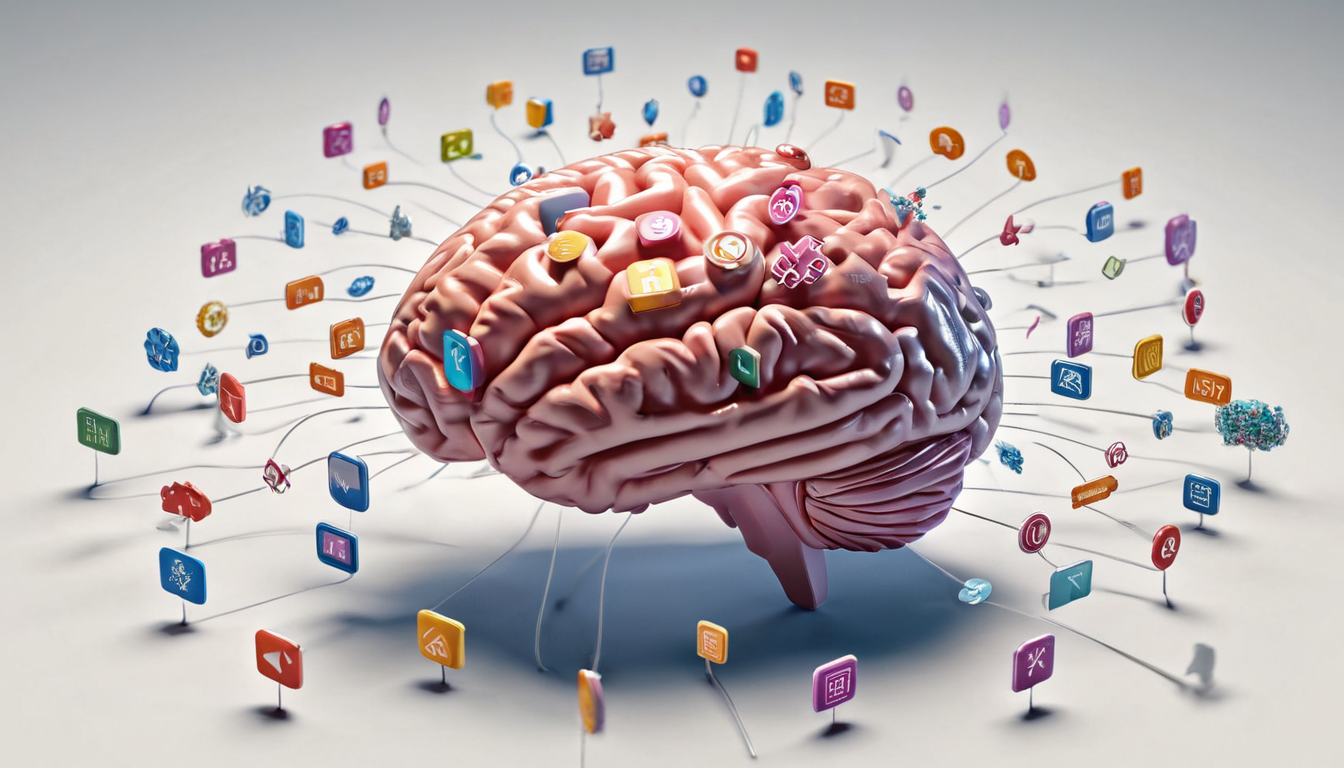
The intersection of artificial intelligence (AI) and human cognition has given rise to a new frontier in the field of cognitive science. This convergence has led to the development of the AI mind, a term coined by researchers that refers to the application of AI and large language models (LLMs) to understand and improve human cognition. This concept is not only fascinating but also holds immense potential for revolutionizing our understanding of dementia prevention.
The AI mind represents a important milestone in the evolution of cognitive science, as it enables us to look at new avenues of research that were previously unimaginable. By combining the power of AI with the difficulty of human cognition, researchers can gain takeaways into the detailed workings of the human brain and develop innovative solutions for improving mental health.
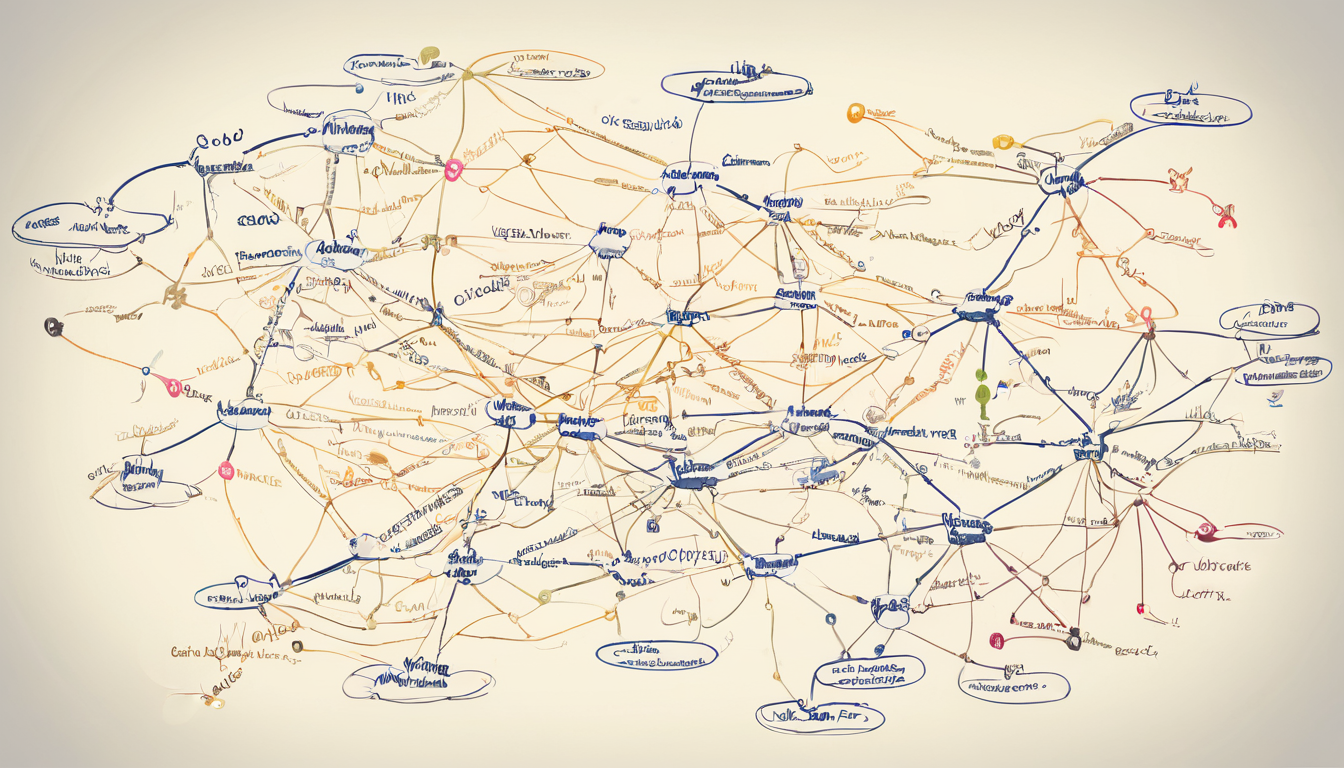
The AI-Mind Project, a 5-year project funded by Horizon 2020, has brought together 15 partners from 8 countries to create new innovative AI tools for early diagnostic of dementia. These tools have the potential to improve diagnosis and treatment outcomes for individuals affected by mild cognitive impairment (MCI) or dementia.
The project’s primary goal is to develop AI-powered diagnostic tools that can accurately identify the early signs of dementia, allowing for prompt intervention and effective treatment strategies. This is achieved through the integration of advanced machine learning algorithms with large-scale datasets containing information on brain function and activity patterns.
One of the key challenges in developing these AI tools is the need to develop robust and reliable methods for processing complex data sets. Researchers must be able to analyze vast amounts of data, including medical imaging scans, cognitive assessments, and genetic information, to identify patterns and correlations that can inform diagnostic decisions.

Mastering AI and LLMs requires a clear understanding of their capabilities and limitations. The Learn AI & LLMs Interactively platform provides an immersive experience, allowing users to engage with interactive tutorials, hands-on tools, and expert-guided learning paths.
This innovative platform offers a unique opportunity for individuals to develop practical skills in AI and LLMs, enabling them to stay ahead of the curve in this rapidly evolving field. By providing access to cutting-edge technology and expert guidance, the Learn AI & LLMs Interactively platform empowers users to take control of their learning journey and achieve their goals.
The rapid advancement of generative AI tools represents more than technological progress – it’s a cognitive revolution that demands our attention. According to Google DeepMind, artificial intelligence could be one of humanity’s most useful inventions.
As AI becomes increasingly integrated into our daily lives, it is essential to consider the psychological effects of this technology on human cognition. Researchers must look at how AI can influence our thoughts, emotions, and behaviors, as well as the potential consequences for mental health and well-being.
The rapid advancement of generative AI tools represents more than technological progress – it’s a cognitive revolution that demands our attention. As we continue to rely on AI-powered systems, we must also consider the psychological impact on human cognition.
AI has evolved from a speculative idea of science fiction into one of the most transformative forces in modern science. The rapid advancement of generative AI tools represents more than technological progress – it’s a cognitive revolution that demands our attention.
When we talk about the AI mind, we’re not referring to a literal human-like consciousness but rather the complex neural networks and algorithms that power these intelligent systems. Understanding how these systems process information can provide useful takeaways into human cognition.
AI-powered systems are capable of processing vast amounts of data, recognizing patterns, and making predictions based on this information. By analyzing the inner workings of AI’s ‘mind,’ researchers can gain a deeper understanding of how these systems think and learn.
AI tools for early diagnostic of dementia have the potential to revolutionize our understanding of this condition. By leveraging AI-powered diagnostics, we can improve diagnosis accuracy and develop more effective treatment strategies.
The development of AI-powered diagnostics is an exciting area of research that has the potential to transform the field of healthcare. By analyzing vast amounts of data, including medical imaging scans, cognitive assessments, and genetic information, researchers can identify patterns and correlations that can inform diagnostic decisions.
Brain connectivity screening is a important aspect of AI mind research. By analyzing brain activity patterns, researchers can better understand how different regions of the brain communicate with each other, providing useful takeaways into human cognition and dementia prevention.
Brain connectivity screening is an innovative approach to understanding the detailed workings of the human brain. By analyzing brain activity patterns, researchers can identify abnormal patterns that may indicate cognitive decline or neurodegenerative diseases such as Alzheimer’s.
The 14 Best AI Mind Mapping Tools Reviewed in 2025 provides a complete overview of the top AI mind mapping tools available. These tools offer innovative ways to visualize complex information, facilitating collaboration and creativity.
As AI continues to evolve, we can expect to see even more innovative applications of this technology. By exploring the capabilities and limitations of AI mind mapping tools, researchers can develop new strategies for improving mental health and well-being.
The future of AI mind mapping tools holds much promise, as it has the potential to revolutionize the way we approach complex problem-solving and decision-making. By leveraging the power of AI-powered mind mapping tools, individuals can gain a deeper understanding of their thoughts, emotions, and behaviors, enabling them to make more informed decisions and achieve their goals.
The intersection of artificial intelligence (AI) and human cognition has given rise to a new frontier in the field of cognitive science. The AI mind represents a important milestone in this journey, as it enables us to look at new avenues of research that were previously unimaginable. By combining the power of AI with the difficulty of human cognition, researchers can gain takeaways into the detailed workings of the human brain and develop innovative solutions for improving mental health.